
Queens has emerged as one of New York City’s premier destinations for authentic Peruvian cuisine, offering a range of restaurants that span from casual ceviche bars to upscale dining establishments. The neighborhood’s Peruvian restaurant scene has grown substantially over the past decade, with neighborhoods like Jackson Heights and Astoria becoming centers for South American food culture. Restaurants such as La Pequena Cocina and Cevicheria Magdalena have built strong reputations by focusing on traditional preparation methods and sourcing quality ingredients, drawing both locals and visitors seeking genuinely skilled cooking rather than watered-down interpretations of Peruvian dishes.
The concentration of Peruvian restaurants in Queens reflects broader demographic and economic patterns in the neighborhood, with the community’s sizable Peruvian and Latin American populations supporting a mature food ecosystem. Unlike Manhattan locations that often charge premium prices for similar offerings, Queens establishments typically offer better value while maintaining comparable or superior quality standards. This economic advantage has made Queens an attractive hub for both established restaurant operators and entrepreneurs entering the food service industry.
Table of Contents
- What Makes Peruvian Cuisine Distinctive in Queens’ Restaurant Landscape?
- Geographic Clustering and Neighborhood Dining Patterns in Queens
- Menu Specialization and Regional Preparation Styles
- Menu Pricing, Value Assessment, and Dining Tradeoffs
- Ingredient Sourcing Challenges and Quality Limitations
- Dining Experience Expectations and Service Standards
- Future Trends and Evolving Restaurant Landscape in Queens
- Conclusion
What Makes Peruvian Cuisine Distinctive in Queens’ Restaurant Landscape?
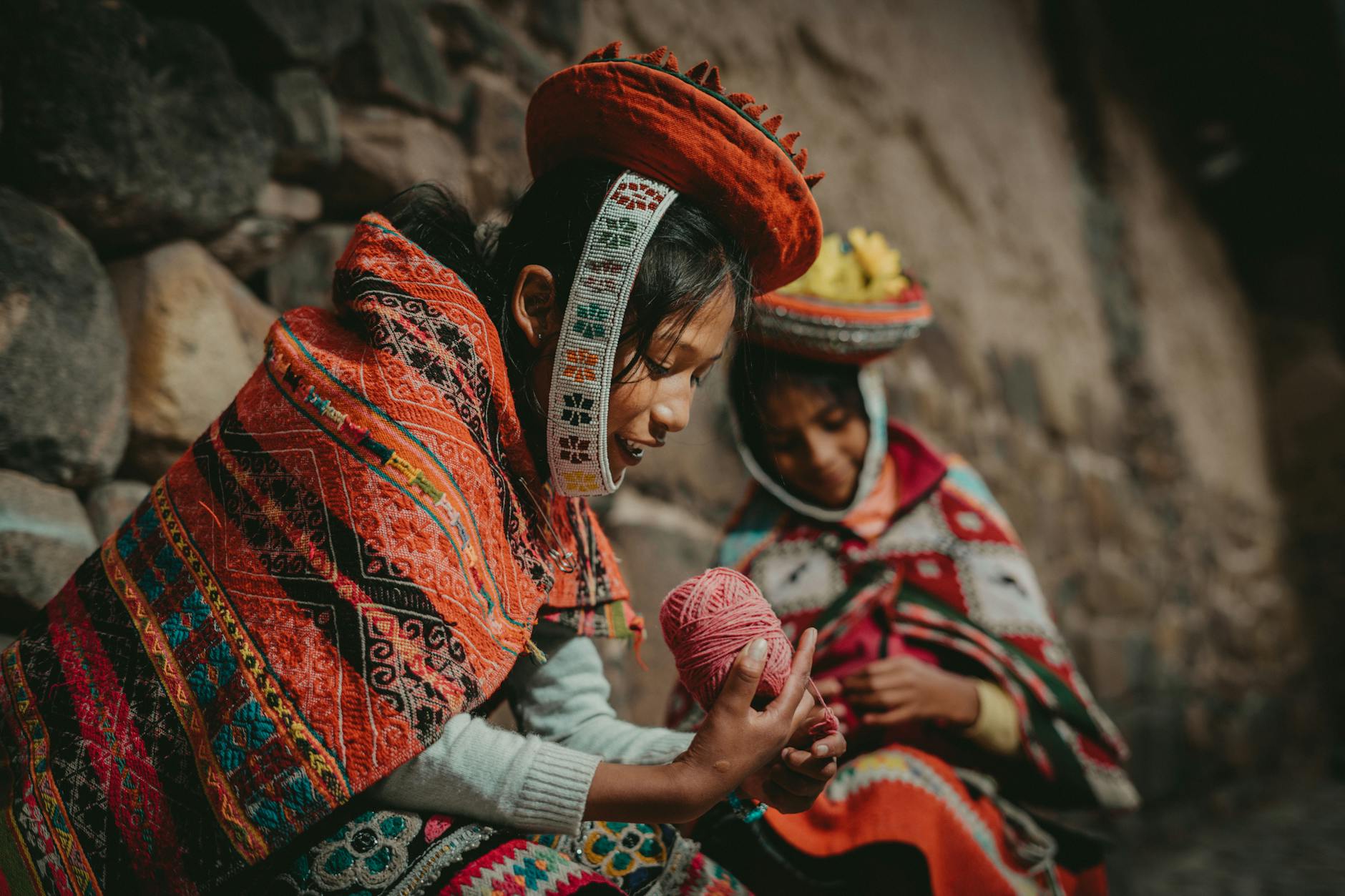
Peruvian cuisine distinguishes itself through its regional complexity and emphasis on native ingredients like potatoes, chilies, and quinoa, elements that many of queens‘ best restaurants feature prominently. The cuisine combines Spanish colonial influences with indigenous Andean traditions and Japanese techniques brought by early twentieth-century immigration, creating a uniquely layered culinary tradition. Restaurants in Queens that excel at Peruvian cooking typically dedicate effort to sourcing specific ingredients—aji peppers, fresh fish for ceviche, or specific potato varieties—that are difficult to replicate using substitute ingredients commonly found in supermarkets.
Ceviche represents perhaps the most recognizable Peruvian dish, and its quality varies dramatically depending on ingredient sourcing and preparation. A well-executed ceviche requires impeccably fresh fish, properly balanced citrus juice, and careful attention to the acid “cooking” process. Some Queens establishments source their fish directly from specialized purveyors, while others work with standard restaurant suppliers, a difference that substantially impacts the final dish’s quality and price point.
Geographic Clustering and Neighborhood Dining Patterns in Queens
jackson Heights and Astoria host the majority of Queens’ Peruvian restaurants, creating distinct dining zones where competition drives both quality and pricing consistency. This geographic concentration benefits diners through accessibility and variety—multiple restaurants within walking distance allow for comparison and repeat visits—but can also create oversupply pressures during economic downturns. The neighborhood clustering also means that restaurant success depends heavily on differentiation, as proximity to direct competitors requires either superior execution or a distinct concept to maintain customer loyalty.
Restaurant operators in Queens face distinct challenges compared to manhattan locations, including lower average check sizes and more price-sensitive customer bases. While this creates affordability advantages for diners, it narrows profit margins and reduces tolerance for operational inefficiency. Several well-regarded Peruvian restaurants have closed over the past five years despite strong reviews, suggesting that quality alone does not guarantee business viability in the Queens market.
Menu Specialization and Regional Preparation Styles
Many of Queens’ best Peruvian restaurants organize menus around regional Peruvian styles—coastal preparations emphasizing seafood and citrus, highland dishes featuring heartier ingredients like corn and beans, and jungle influences incorporating lesser-known ingredients. La Bonita Peruana, for instance, emphasizes coastal-style preparations with particular attention to ceviche variations, while other establishments focus on traditional lomo saltado and other meat-forward dishes. This regional specialization allows diners to explore different aspects of Peruvian culinary tradition rather than experiencing a homogenized version.
Authentic restaurants typically feature ingredients and preparations that challenge diners unfamiliar with Peruvian food—fermented corn drinks, organ meats, or unfamiliar fish varieties. This authenticity can serve as either an advantage (attracting adventurous eaters seeking genuine experiences) or a limitation (potentially narrowing the customer base among those preferring familiar flavors). Restaurants that balance authenticity with some degree of accessibility tend to achieve broader appeal without sacrificing credibility.
Menu Pricing, Value Assessment, and Dining Tradeoffs
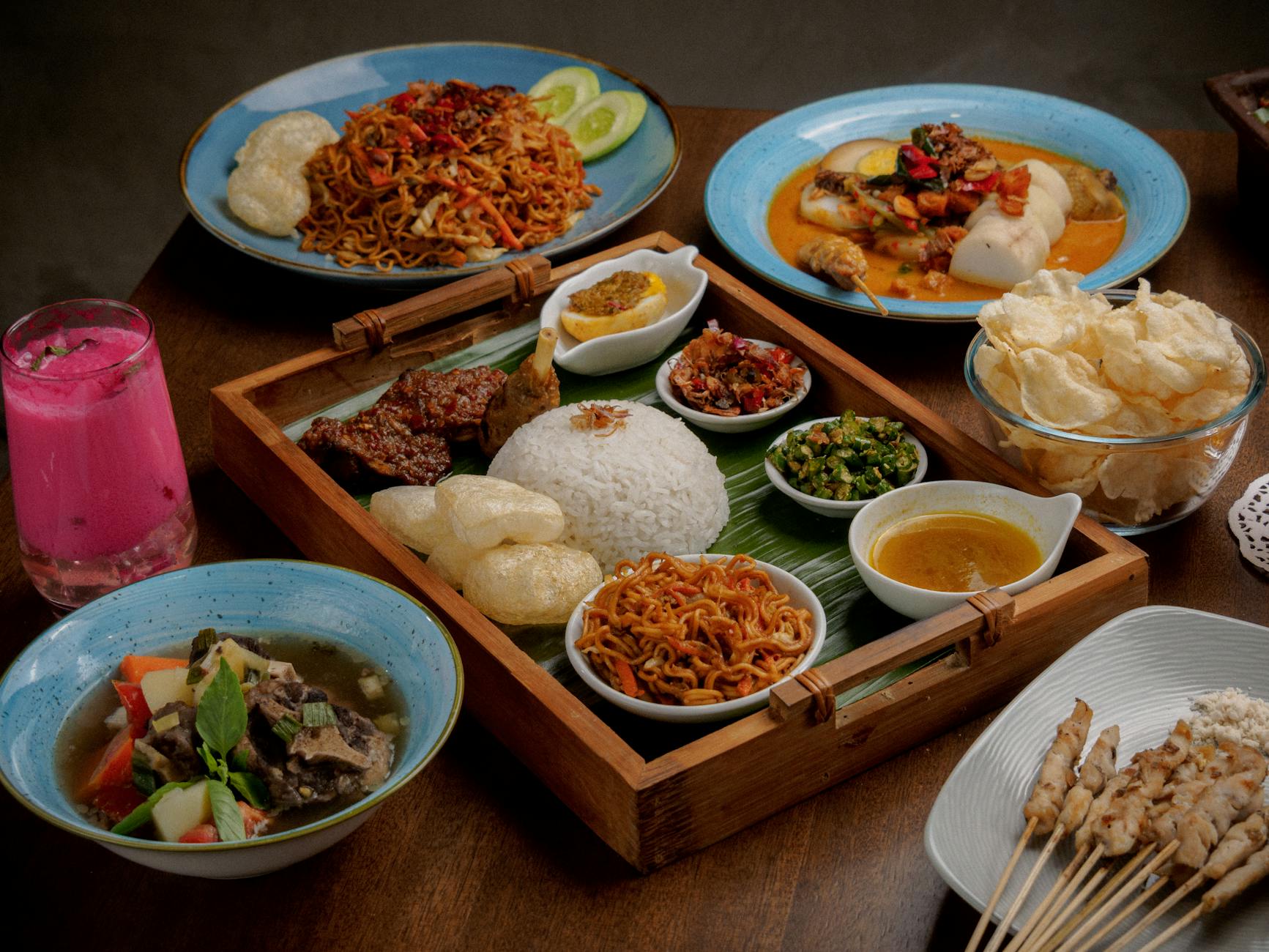
Peruvian restaurants in Queens typically offer main courses ranging from $14 to $28, with ceviche appetizers averaging $9 to $16 per portion. This pricing structure compares favorably to Manhattan establishments charging $18 to $35 for comparable dishes, though quality varies significantly within both price ranges. The most economical dining experiences come from lunch service or casual counter-service locations, while dinner at upscale establishments approaches or matches Manhattan pricing while offering superior value through larger portions and more attentive service.
The tradeoff between casual and upscale dining appears across Queens’ Peruvian restaurant spectrum. Casual establishments offer efficiency, lower costs, and authentic atmosphere, but typically feature minimal table service and basic decor. Upscale venues provide full service, refined presentations, and more expansive wine lists, but at substantially higher price points. Neither format is objectively superior; the choice depends on dining occasion and priorities regarding ambiance versus value.
Ingredient Sourcing Challenges and Quality Limitations
Sourcing authentic Peruvian ingredients in the New York market presents genuine challenges that impact restaurant quality and consistency. Specialty items like specific aji pepper varieties, particular fish species, and certain potato types either must be imported at considerable expense or substituted with approximate alternatives. Some restaurants manage this through direct relationships with South American importers, while others work with broader Latin American or Asian suppliers who stock overlapping ingredients.
The sourcing approach affects both menu consistency and final pricing. Fresh fish quality represents a particular concern, as ceviche’s success depends entirely on ingredient freshness and handling. Restaurants should be transparent about sourcing and willing to discuss fish suppliers, though not all establishments prioritize this transparency. A warning: establishments that cannot clearly explain their fish sourcing or that serve ceviche during periods when fish has likely been frozen should be approached with caution, as foodborne illness risks increase substantially with compromised fish handling.

Dining Experience Expectations and Service Standards
Service quality across Queens’ Peruvian restaurants ranges from utilitarian to polished, with expectations varying based on the establishment’s pricing and positioning. Casual restaurants typically feature limited table service with patrons ordering at counters, while upscale venues maintain full waitstaff trained in wine pairings and dietary accommodations. Staff knowledge about dishes, ingredients, and preparations varies significantly—the best restaurants feature personnel who can discuss flavor profiles, regional origins, and recommended drink pairings.
Atmosphere also varies widely, from converted storefronts with minimal decor to refined dining rooms with thoughtful design. A specific example: some restaurants feature open kitchen layouts allowing diners to observe food preparation, which can build confidence in ingredient handling and cooking technique. Others maintain closed kitchens that provide less transparency but often cleaner sightlines to the dining space.
Future Trends and Evolving Restaurant Landscape in Queens
Queens’ Peruvian restaurant sector shows signs of maturation, with newer establishments increasingly emphasizing either extreme authenticity/regional specialization or refined upscale positioning rather than middle-ground casual dining. This bifurcation suggests that mid-range establishments without distinct positioning may face declining viability.
Additionally, growing interest in Peruvian cuisine among younger demographics and investment in newer venues indicate continued market interest, though economic pressures on restaurant operators remain significant. The sector’s future trajectory likely depends on balancing ingredient sourcing challenges, labor cost pressures, and changing consumer preferences regarding authentic cuisine versus novelty. Restaurants that establish reliable supply chains, build strong community relationships, and maintain consistent quality through staffing investments appear positioned for longer-term success.
Conclusion
Queens offers several genuinely excellent Peruvian restaurants that provide both authenticity and accessibility compared to Manhattan alternatives. The best establishments combine respect for traditional preparation methods with practical adaptations to the New York ingredient market, producing dishes that satisfy both cultural authenticity and culinary quality standards.
Diners seeking Peruvian cuisine should research specific restaurants’ sourcing practices, ingredient selections, and menu positions before committing to reservations. When selecting a Peruvian restaurant in Queens, prioritize establishments with transparent sourcing practices, menu offerings aligned with specific regional traditions, and staff capable of discussing ingredients and preparations. The neighborhood’s mature Peruvian dining scene provides sufficient options to support experimentation and repeat visits, making it an ideal location for exploring this cuisine’s regional complexity.