
Humanitarian concerns are rising sharply across the Middle East and developing regions, with the scale of destruction and displacement reaching levels not seen in years. The United Nations projects that 45 million additional people could face acute hunger if the Middle East conflict continues through June 2026—a staggering figure that underscores both the human toll and the economic disruption spreading across the region. For investors, this matters because humanitarian crises destabilize markets, disrupt supply chains, displace capital, and create sustained demand for relief funding that draws resources away from productive investment.
The destruction itself has been immediate and severe. In Lebanon alone, 1.2 million people—roughly one in five residents—have been forced to flee their homes. Over the last ten days in March 2026, three bridges in southern Lebanon were destroyed, with the Qasmieh bridge destruction effectively isolating communities from access to aid, markets, and economic activity. This article examines the scale of the humanitarian emergency, the funding crisis that’s made response efforts harder, and what these trends mean for regional stability and global markets.
Table of Contents
- How Severe Is the Humanitarian Crisis Unfolding in the Middle East?
- Why Is Humanitarian Funding at Its Lowest Point in Over a Decade?
- What Is the Real Toll on Humanitarian Workers and Health Systems?
- Which Countries Face the Highest Humanitarian Risk, and What Does That Mean for Global Markets?
- How Does Infrastructure Destruction Compound the Humanitarian Emergency?
- What Role Do Humanitarian Crises Play in Triggering Mass Migration and Refugee Flows?
- What Does the Path Forward Look Like as Humanitarian Need Outpaces Funding?
- Conclusion
How Severe Is the Humanitarian Crisis Unfolding in the Middle East?
The Middle East humanitarian emergency has expanded from conflict zones into broader food security and health crises. According to UN assessments, the additional 45 million people at risk of acute hunger represent a potential tripling of vulnerable populations in the region by June 2026 if current conditions persist. This isn’t speculative—it’s based on trend modeling of conflict trajectory, supply disruption, and funding shortfalls. For context, 45 million people exceeds the total population of Spain, and the economic cost of feeding populations in crisis (through aid agencies) can reach $100-200 per person monthly, adding up to billions in humanitarian response costs. The displacement crisis in Lebanon illustrates the speed of humanitarian breakdown.
When 1.2 million people leave their homes, they lose access to jobs, schools, healthcare, and property income. Many become dependent on aid, remittances, or informal work. The destruction of infrastructure—particularly the three southern bridges destroyed in early March—severed communities from markets and services. Isolation in humanitarian crises typically accelerates secondary damage: disease spreads faster in crowded shelters, malnutrition worsens when food transport routes disappear, and prices spike for remaining supplies. For investors tracking emerging market risk, this is a leading indicator of currency pressure and capital flight.
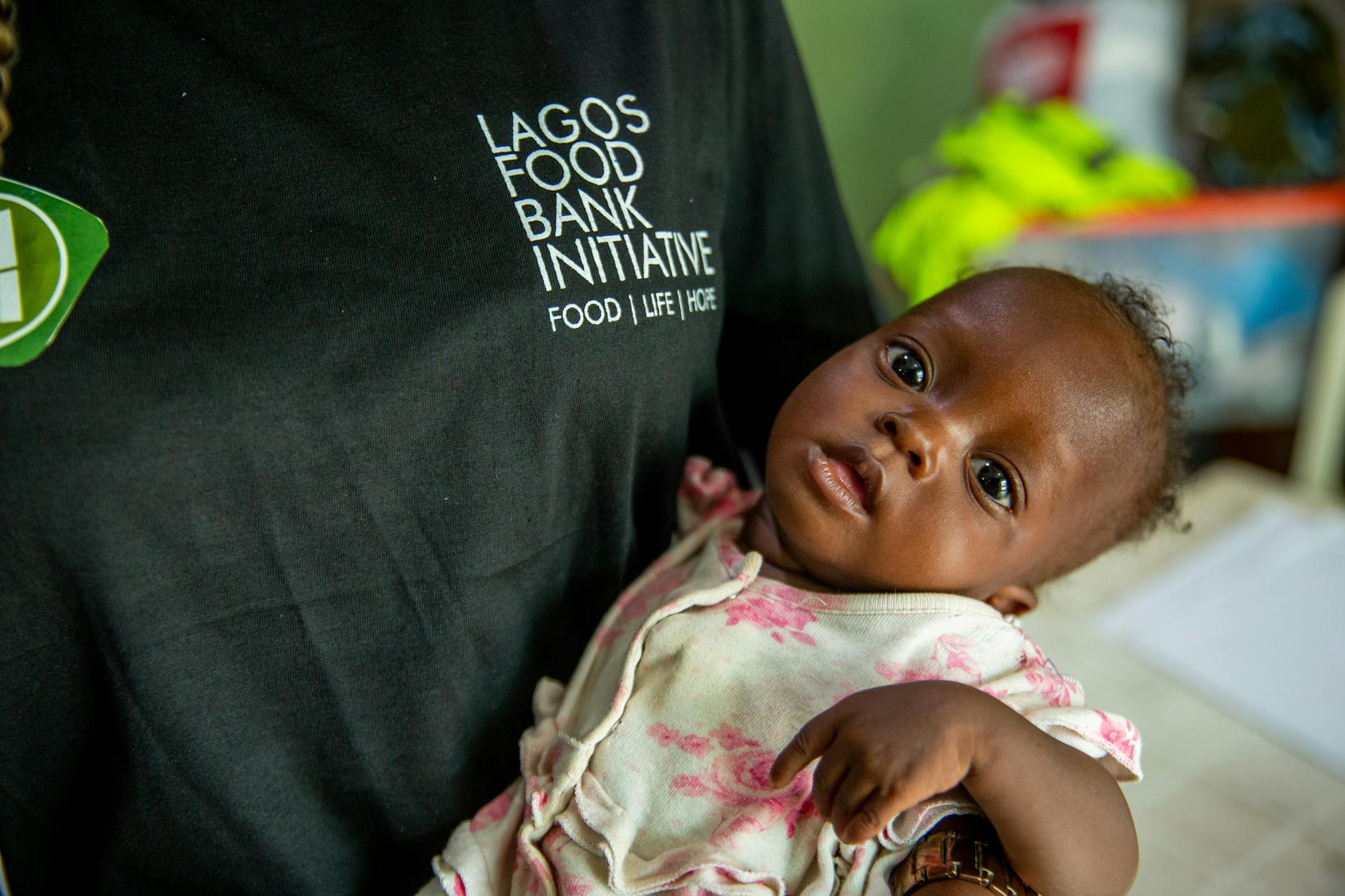
Why Is Humanitarian Funding at Its Lowest Point in Over a Decade?
Humanitarian funding in 2025 collapsed to levels last seen in 2016—a concerning reversal as needs have simultaneously grown. This creates a dangerous bottleneck: the number of people requiring aid is near record levels, but the funding per person has been cut. The result is immediate and visible: health centers close, food rations shrink, emergency shelters go unrepaired, and disease prevention efforts halt. A single health center closure in a region of 100,000 people can set off chains of preventable death and disease that take years to recover from.
The funding gap reveals a critical truth about humanitarian response: it’s not that donors lack capacity, but that competing crises have fragmented attention and resources. When funding drops to 2016 levels while crises multiply, organizations make brutal triage decisions. They cut programs in underfunded regions first—typically the poorest countries where US and European media coverage is lowest. This compounds inequality and creates a two-tiered response: well-funded emergencies in politically visible regions versus neglect in places like East Africa and parts of Central America. For markets, underfunded crises often become forgotten crises, which eventually become security crises, which then demand emergency military and diplomatic response at much higher cost.
What Is the Real Toll on Humanitarian Workers and Health Systems?
The human cost of humanitarian work has spiked. Humanitarian organizations recorded 338 attacks against their workers in 2024 alone. Between 2023 and 2024, there were over 600 attacks on health facilities—clinics and hospitals deliberately targeted in conflict zones. These aren’t incidental damage; many are intentional strikes that undermine both medical capacity and trust in humanitarian institutions. In 2025 alone, 25 Red Cross and Red Crescent staff members were killed in the line of duty, representing a 40% increase compared to the prior year.
When health systems are attacked, populations stop seeking care—not because they don’t need it, but because they no longer believe treatment is safe. This drives disease and mortality underground, away from records and statistics. For outbreak tracking and pandemic prevention, this is dangerous. A measles or cholera outbreak in a region where health workers can’t operate or where populations avoid clinics becomes impossible to contain. The economic consequence is stalled recovery and longer-term population health deficits that undermine human capital development for decades. For investors in healthcare or humanitarian sectors, the safety environment for operations has materially deteriorated.

Which Countries Face the Highest Humanitarian Risk, and What Does That Mean for Global Markets?
The concentration of humanitarian need is striking: 20 countries account for 89% of all people in humanitarian need globally, yet these countries represent only 12% of the world’s population. This concentration means that humanitarian shocks in a small number of nations create outsized global effects. These are typically emerging market nations with weak currencies, limited central bank reserves, and economies dependent on agriculture or tourism. When humanitarian crises hit, capital flees, exports collapse, and governments face immediate fiscal pressure. The practical implication is that investors can map humanitarian risk to macroeconomic fragility.
Countries in the top 20 most at-risk list typically face currency devaluation, rising government borrowing costs, and asset sell-offs. For portfolio managers holding emerging market debt or equities, these crises are real leading indicators of loss. A humanitarian emergency that displaces millions can trigger 20-30% currency devaluation within months. Conversely, countries that stabilize crises early tend to see faster recovery in asset prices and capital inflows. This creates a case for monitoring humanitarian trends as a leading indicator of emerging market volatility.
How Does Infrastructure Destruction Compound the Humanitarian Emergency?
Physical destruction of bridges, roads, and water systems creates a vicious cycle: it isolates regions from supply chains, prevents aid delivery, and fractures local economies. The destruction of three bridges in southern Lebanon in ten days is strategically catastrophic—southern Lebanon becomes cut off from northern markets and distribution centers. Communities that cannot receive food aid must rely on local stockpiles, which deplete quickly. Agricultural regions cut off from export routes see prices collapse for farmers and spike for consumers, destroying rural incomes while raising urban food costs.
However, infrastructure destruction also creates longer-term reconstruction needs that can eventually attract investment—but only if security stabilizes first. Investors often wait years before deploying capital to rebuild conflict zones, and in the interim, populations suffer. The lag between destruction and reconstruction can be 5-10 years or more, depending on whether peace agreements hold. For humanitarian agencies, this is a critical limitation: they can provide emergency food and medical aid in the short term, but they cannot rebuild the infrastructure that would allow regions to become self-sufficient again. The question for investors and policymakers is whether reconstruction funding will be available when conflict ends, or whether regions will face a prolonged depression lasting years after fighting stops.

What Role Do Humanitarian Crises Play in Triggering Mass Migration and Refugee Flows?
Humanitarian crises are a primary driver of migration pressure. When 1.2 million people are displaced in a single country, many will seek to leave the region entirely if borders allow. Others become internally displaced, moving from rural to urban areas where they compete for jobs and housing, often ending up in informal settlements. The pressure this creates is both immediate (within months) and long-term (years of elevated migration).
For wealthy countries that accept refugees, the fiscal and social costs are real, which typically triggers political backlash and border hardening. For transit and neighboring countries, the burden is severe—Lebanon, Turkey, and Egypt collectively host millions of displaced people, straining their own economies. Mass migration flows driven by humanitarian crises create their own market dynamics: labor surpluses in host countries (depressing wages), capital concentration in border regions, remittance flows that stabilize origin countries while creating currency mismatches, and political tension that can destabilize governments. For investors, migration-driven instability in key transit countries (Turkey, Egypt, Greece) can create short-term opportunities in security services and border infrastructure, but long-term risks in sovereign debt stability and currency trading.
What Does the Path Forward Look Like as Humanitarian Need Outpaces Funding?
The trajectory is unsustainable. Humanitarian needs are accelerating—more conflicts, more climate-driven displacement, more health emergencies—while funding has contracted to 2016 levels. This means the humanitarian system is failing on an increasing share of global need. Organizations like the International Committee of the Red Cross have publicly stated that funding gaps will force them to ration services and abandon lower-profile crises. For affected populations, this is catastrophic.
For investors and governments, it signals that the current model of ad hoc humanitarian response is breaking down. The longer-term outlook depends on whether major funders (US, EU, major wealthy nations) recommit to humanitarian funding as a priority, or whether the crisis model shifts to emphasis on conflict prevention and diplomacy. Conflict prevention—stopping wars before they start—is far cheaper than humanitarian response after displacement and destruction occur. But political will to invest in prevention is historically weak, particularly when prevention efforts are unsexy and measured in avoided crises rather than visible outcomes. For markets, this suggests continued volatility in emerging markets affected by humanitarian crises, elevated commodity price swings due to supply disruption, and eventual pressure on wealthy nations to conduct large-scale reconstruction spending when conflicts eventually end.
Conclusion
Humanitarian concerns are rising because the scale of conflict, displacement, and destruction is outpacing the world’s capacity and willingness to respond. With 45 million additional people at risk of acute hunger, 1.2 million displaced in Lebanon alone, infrastructure demolished, and humanitarian funding at 2016 levels, the emerging market regions most affected face years of economic disruption, currency pressure, and reduced investment opportunity. For equity and debt investors, these regions are increasingly characterized by elevated tail risk and reduced visibility into recovery timelines. The implications extend beyond humanitarian concern into market dynamics.
Humanitarian crises are now a significant driver of emerging market volatility, capital flight, currency devaluation, and policy uncertainty. Investors should monitor humanitarian indices and displacement figures as leading indicators of regional instability. The countries facing the highest humanitarian need (representing 89% of global humanitarian cases) are also the most likely to experience severe asset price declines and currency pressure. Until funding commitments increase or conflicts de-escalate, the humanitarian crisis will remain a headwind for emerging market portfolios and a key risk factor in macroeconomic forecasting.