
If you’re tired of Yelp’s algorithm-driven reviews and questionable ratings, you have more options than you might realize. The simplest path is to use Google Maps, which has become the dominant restaurant discovery tool over the past two years with integrated navigation, real photos from diners, verified hours, contact details, and the ability to make reservations directly through Google Search and Google Maps. But Google Maps is just the starting point. Whether you want independent reviews, social media discovery, or recommendations from actual locals in your neighborhood, there are now seven major alternatives that often deliver better recommendations than Yelp does.
This article walks you through each platform’s strengths, when to use social media for discovery, how to tap into local knowledge directly, and why some methods work better for finding hidden gems that the masses haven’t overrun yet. Yelp still receives about 133.68 million visits per month, with 87.1% coming from the United States. But that dominance doesn’t mean it’s the best tool anymore. The restaurant discovery landscape has fractured—some people now find restaurants through TikTok, others through neighborhood apps, and still others through Google Maps integration that’s become invisible and seamless enough that many don’t realize they’re not using Yelp at all. The key is knowing which tool to reach for depending on what you’re actually looking for: a trendy spot for dinner, a highly-rated institution, somewhere with recent photos of the food, or a place that locals actually eat at rather than tourists.
Table of Contents
- What Are the Best Yelp Alternatives for Finding Restaurants?
- Why Social Media Has Become a More Powerful Discovery Tool Than Review Platforms
- Asking Local Sources and Building Your Own Network
- How to Evaluate Reviews Across Different Platforms
- The Limitations of Algorithmic Discovery and How to Compensate
- Building a Personal Restaurant Discovery System
- The Shifting Restaurant Discovery Landscape in 2025-2026
- Conclusion
What Are the Best Yelp Alternatives for Finding Restaurants?
The leading alternative is Google Maps, which has evolved far beyond turn-by-turn navigation. It now shows you the exact type of crowd at any given hour, displays real customer photos of the actual food (not just the restaurant interior), integrates reservation systems, and even prompts diners to upload photos after their meal. When you search for “restaurants near me” on your phone, Google’s algorithm surfaces highly-rated options first, and you can filter by cuisine, price, rating, and open-now status without dealing with Yelp’s interface. Beyond Google Maps, TripAdvisor remains a legitimate competitor. While TripAdvisor built its reputation on travel guides, it’s evolved into one of the best free alternatives for reading verified reviews from actual diners.
The distinction matters: TripAdvisor explicitly confirms that reviewers have dined at the restaurants they rate, which reduces the noise from fake reviews or competitor sabotage that plagues Yelp. OpenTable combines restaurant reviews with an actual reservation system, so if you find a place you like, you can book a table immediately without jumping between apps. Foursquare City Guide operates similarly to the old Yelp—local recommendations with user ratings—but with a focus on discovery rather than comprehensive review coverage. Zomato focuses specifically on food quality and menu information, which is useful if you want to know whether a restaurant’s biryani or tacos are worth the trip. And Nextdoor, the neighborhood-focused social app, lets you ask your actual neighbors where they eat, which often surfaces places no algorithm would prioritize.
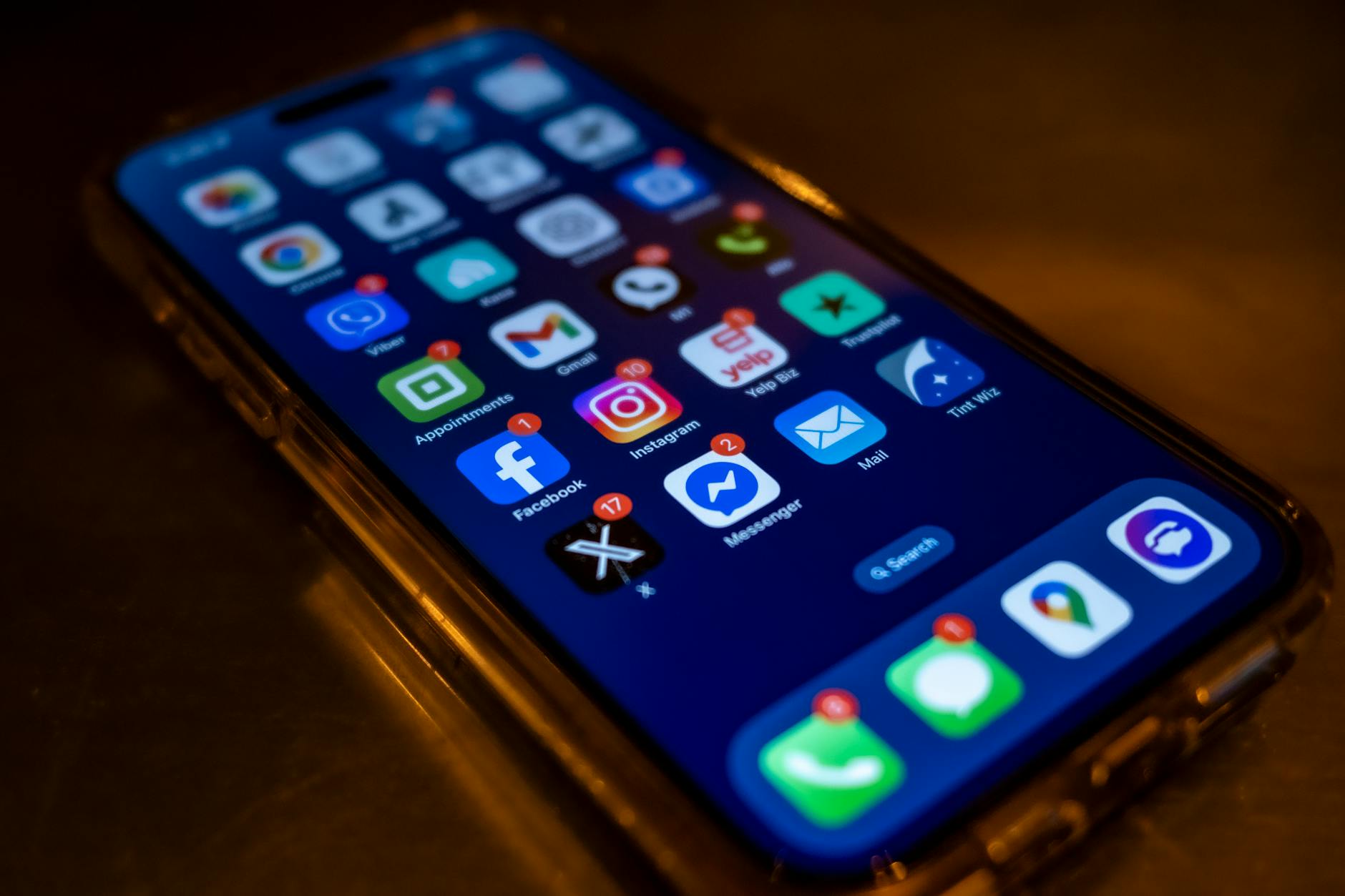
Why Social Media Has Become a More Powerful Discovery Tool Than Review Platforms
This may sound surprising, but 74% of people now use social media to decide where to eat. The reason is simple: real photos and videos of food are more persuasive than written reviews. On TikTok specifically, 38% of Gen Z restaurant discovery happens through TikTok videos, making it the single most powerful introduction tool for younger diners. That’s not a small segment—it’s the dominant driver. Even more striking, 61% of diners say TikTok food content directly influences their restaurant choices, and 55% of TikTok users actually visit a restaurant after seeing its menu or food on the platform. This is where TikTok pulls ahead of traditional review sites: it’s not filtering for the highest-rated place, it’s showing you what the food actually looks like on the plate and how customers react to it.
The mechanics of this are important. TikTok food content gets an average engagement rate of 2.5%—higher than Facebook (27% usage for discovery), Instagram (15%), or YouTube (15%), according to 2026 data. What that means in practice is that a video of someone making an honest comment about a restaurant’s pasta or dessert reaches far more people than a detailed five-star review on Yelp. If you’re under 40, checking TikTok or Instagram for local restaurants makes statistical sense. However, this method has a significant limitation: algorithm-driven feed discovery favors visually striking food and viral content, not necessarily the best food. A restaurant with mediocre burgers but photogenic plating will outperform a hole-in-the-wall with exceptional taste. You need to weigh the recommendation quality against the aesthetic bias.
Asking Local Sources and Building Your Own Network
One of the most underrated methods is simply asking people who are embedded in the community. When you check into an Airbnb, the host often has detailed knowledge of neighborhood restaurants that handle locals differently than tourists. Hotel concierges, particularly at mid-range and luxury hotels, have financial incentives to recommend places that deliver good experiences, not places that show up in an algorithm. If you’re visiting somewhere unfamiliar, calling the front desk and asking “Where do you actually eat?” often yields better recommendations than an app ever could.
This extends to food tours as well. A guided food tour, while more expensive than opening an app, takes you directly to local-owned restaurants and helps you avoid the tourist trap problem entirely. The guide typically has relationships with restaurants on the tour, knows which places are actually good versus just Instagram-popular, and can explain the neighborhood context that makes a spot special. Pinterest also plays a role here, but differently: searching for “best hidden restaurants in [city]” on Pinterest surfaces food blogs by local writers who’ve actually spent time exploring their area. These bloggers have reputations to protect and aren’t incentivized by algorithm engagement the way TikTok creators are, so the recommendations tend to be more reliable.
How to Evaluate Reviews Across Different Platforms
The challenge with moving away from Yelp is that each platform has different review standards and quality controls. Google Maps shows you review recency—you can sort by newest first, which surfaces current information about whether a place is still good or has declined. TripAdvisor’s verification process screens out some fake reviews but makes the review process slower. OpenTable’s review system is smaller than Yelp’s, but reviewers must have actually made a reservation and eaten there, which creates higher baseline credibility. The tradeoff is quantity: fewer reviews means more volatility if one bad experience tanks the rating.
When comparing platforms, look for patterns rather than trusting any single score. If a restaurant has 4.7 stars on Google Maps, 4.5 on TripAdvisor, and generally positive comments on Nextdoor, that consistency is more meaningful than one perfect 5-star rating. Also check the review dates. A restaurant with five glowing reviews from six months ago and nothing recent could indicate decline or closure. Google Maps’ photo upload feature actually solves this better than reviews do—if the most recent diner photos show good presentation and full tables, that’s real-time data that doesn’t require reading a single review.
The Limitations of Algorithmic Discovery and How to Compensate
Every platform covered so far uses algorithms to rank results, which means every platform has blind spots. Google Maps surfaces highly-rated restaurants, which means new places take time to accumulate ratings. Yelp’s algorithm has been accused of promoting restaurants that advertise with them. TikTok’s algorithm favors novelty and visual appeal over quality. If you’re genuinely trying to find the best restaurant in a category rather than the most popular one, no algorithm alone will get you there. The compensation is combining methods.
Spend five minutes on Google Maps to eliminate the clearly bad options (low ratings, bad photos, recent negative reviews). Then spend five minutes on TikTok or Instagram searching hashtags for your neighborhood or cuisine type, looking for recent videos that aren’t paid promotions. Finally, if you’re genuinely serious, ask one local in a Nextdoor group or a local subreddit. That layered approach takes 15 minutes total and yields better results than relying on any single platform’s ranking system. One other limitation worth noting: all of these methods depend on the restaurant having an online presence and social media activity. Truly hidden local spots that don’t post photos or engage online will be invisible to all of them. That’s where asking people directly becomes essential.

Building a Personal Restaurant Discovery System
Rather than jumping between apps every time you want to eat, consider building a system that works for you. One approach: use Google Maps as your baseline tool (it’s integrated into search, navigation, and calendar), follow local food creators on Instagram or TikTok who share your taste preferences, and join local Facebook groups or Nextdoor to ask specific questions when you want specific cuisine. Bookmark or save restaurants using each app’s built-in system (Google Maps has a “save” button, TripAdvisor has lists, Instagram has the bookmark feature). Over time, your saved collections become more valuable than any algorithm because they’re curated by your own search history.
The secondary layer is following actual food writers or photographers whose taste aligns with yours. On Instagram, this means following local food bloggers rather than the restaurant’s official account. On TikTok, this means following creators who review food honestly rather than those making sponsored content. These creators essentially do the filtering work for you—they visit dozens of restaurants and share the ones worth your time.
The Shifting Restaurant Discovery Landscape in 2025-2026
Google Maps’ prompt for users to upload food images after photographing something in a restaurant is a significant shift. It means Google’s photo database for restaurants is rapidly improving, which will make visual discovery even more powerful. Meanwhile, Yelp has integrated with Reserve with Google, allowing diners to make reservations directly through Google Search and Google Maps. This integration suggests that even Yelp recognizes that Google has become the preferred interface for restaurant discovery.
The trajectory is clear: discovery is becoming less centralized. Instead of one platform like Yelp holding dominance, restaurants are now discovered through multiple vectors—maps, social media, community apps, recommendations, and search. This fragmentation is actually better for diners because it reduces any single company’s power to game the system or show you only high-paying advertisers. It’s worse in one way: you need to know where to look. The good news is that the alternatives are more accessible than ever, and combining even two or three of them yields better results than Yelp alone.
Conclusion
Finding excellent local restaurants no longer requires Yelp, and in many cases, skipping Yelp entirely leads to better discoveries. Google Maps handles the core functionality you need—navigation, photos, hours, ratings, and reservations—while TripAdvisor, OpenTable, Foursquare, Zomato, and Nextdoor each serve specific purposes depending on what you’re trying to find. Beyond apps, social media has become a powerful discovery tool: 74% of people use it to decide where to eat, and TikTok drives 38% of Gen Z restaurant discovery with an engagement rate that dwarfs traditional platforms.
Start with Google Maps as your foundation, add one social media platform where you follow food creators whose taste matches yours, and use your community (Nextdoor, local subreddits, or actually asking people) to surface hidden spots that algorithms miss. Build your own system rather than relying on any single ranking, and you’ll find yourself eating at better restaurants that haven’t yet been discovered by tourists or flooded with customers seeking Instagram photos. The tools exist; the only skill required is knowing which one to use for which situation.