
An air fryer reheats leftovers better than a microwave in most cases because it uses superheated dry air that eliminates moisture on the outside of food, allowing starchy foods to regain crispy exteriors instead of turning soggy. Take pizza, for example: a microwave leaves the crust rubbery and the cheese unevenly melted, while an air fryer restores the crispy crust and melts the cheese evenly in just minutes. This article walks through the science behind air fryer reheating, optimal temperatures and timings for different foods, best practices to maximize results, and when a microwave still makes sense as part of your kitchen toolkit.
The key difference comes down to how each appliance works. Microwaves use radiation that heats water molecules directly, creating steam that softens outer surfaces. Air fryers circulate superheated air at high velocity, which evaporates surface moisture and crisps the exterior while reheating the interior. For foods that originally had texture—pizza crusts, fried chicken, roasted vegetables, french fries—this distinction matters enormously.
Table of Contents
- Why Air Fryer Reheating Beats the Microwave
- Temperature and Time Guidelines for Safe, Crispy Results
- The Best Candidates for Air Fryer Reheating
- Mastering the Air Fryer Reheating Technique
- Common Reheating Mistakes That Produce Disappointing Results
- Nutrition and Calorie Considerations in Air Fryer Reheating
- When to Use a Microwave and the Case for Having Both
- Conclusion
Why Air Fryer Reheating Beats the Microwave
The texture advantage of air fryers is fundamental. When you reheat pizza in a microwave, the crust absorbs moisture from the cheese and sauce, leaving you with a chewy, limp result. The air fryer’s circulating hot air removes that surface moisture instead, crisping the bottom while the cheese melts into creamy perfection. The same principle applies to french fries, chicken wings, and any breaded or roasted item. This isn’t just subjective preference—it’s about how food structure responds to different heating methods.
Microwaves excel at speed because they excite water molecules throughout the food, but that same mechanism creates the soggy texture that makes reheated leftovers feel like a compromise. Air fryers take longer but preserve the textural qualities that made the food worth eating in the first place. For foods like sliced steak or roasted vegetables, the difference between “acceptable” and “actually good” comes down to whether you use an air fryer. The downside is time. An air fryer requires preheating and longer cooking times than a microwave, so if you’re genuinely in a rush, the microwave remains faster. But for most leftover situations where you care about quality, the air fryer wins decisively.
Temperature and Time Guidelines for Safe, Crispy Results
The universal reheating temperature recommendation is 350°F (175°C), which works well for most leftovers and balances crispiness with food safety. However, the optimal range spans 320°F to 400°F depending on what you‘re reheating and how much crispiness you want. French fries and chicken wings need about 4 to 6 minutes at this temperature, while sliced steak requires only 2 to 3 minutes, and a whole steak takes 5 to 6 minutes. Before putting food in, preheat your air fryer for 2 to 3 minutes. This ensures the heating element reaches full temperature so your food starts crisping immediately rather than steaming in a warm environment.
The difference is noticeable—preheated air fryers produce noticeably crisper results. Food safety requires that all leftovers reach an internal temperature of 165°F (74°C), as measured with a food thermometer. This USDA standard applies regardless of which reheating method you use. For thicker pieces like whole steaks, verify the temperature at the thickest point. For smaller items like wings or fries, visual doneness (golden exterior) combined with knowledge of your air fryer’s performance is usually sufficient, but spot-checking with a thermometer for the first few batches helps you learn your machine’s behavior.
The Best Candidates for Air Fryer Reheating
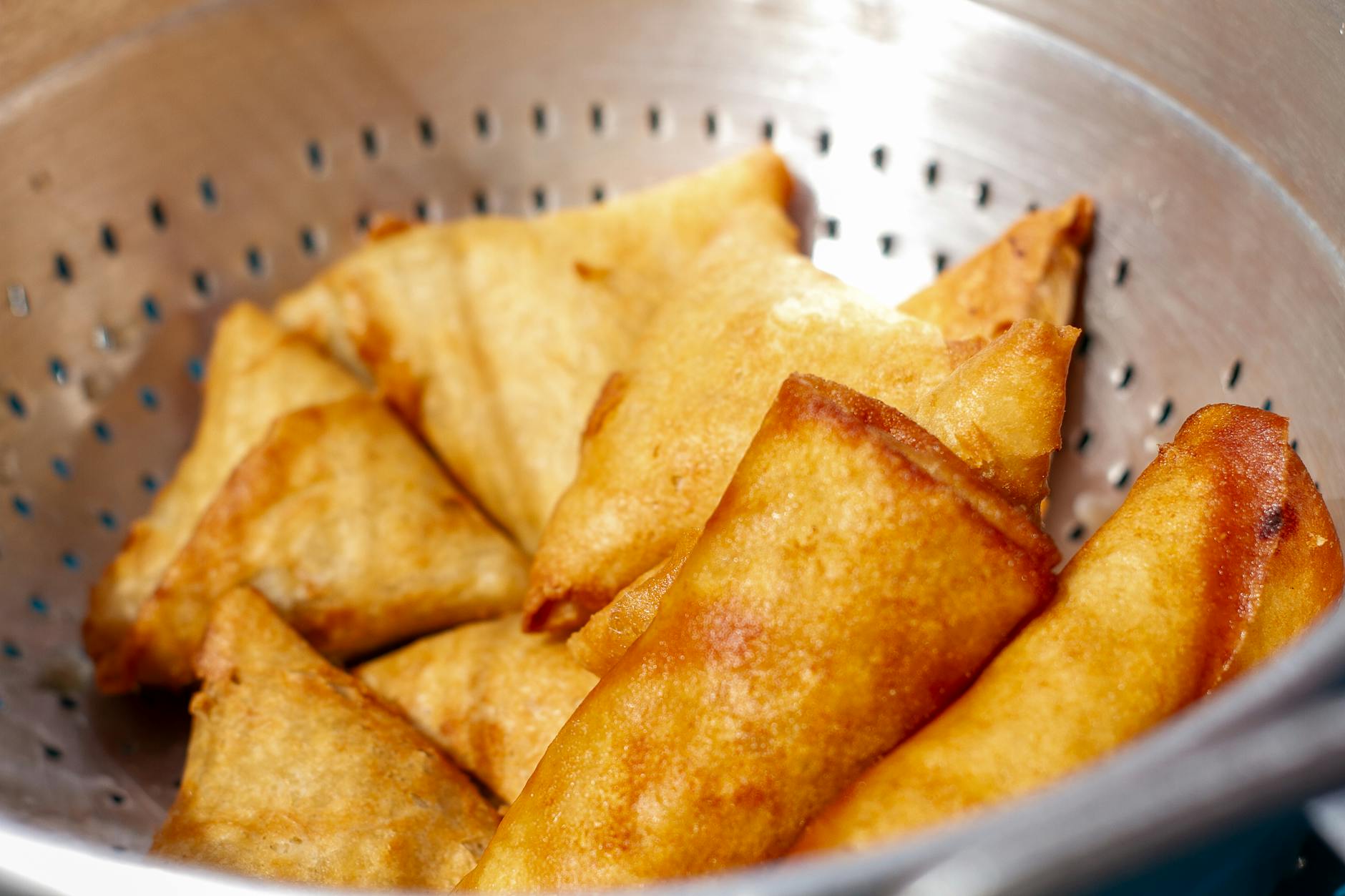
Certain foods transform dramatically in an air fryer, while others don’t benefit much. Pizza is the canonical example—the air fryer restores the crust to near-original crispiness while keeping the toppings warm and the cheese melted. French fries become crispy again instead of limp. Fried chicken regains its crackly exterior. Roasted vegetables, whether Brussels sprouts or root vegetables, emerge with caramelized edges instead of mushy interiors. Breaded items of all kinds—chicken nuggets, fish fillets, breaded shrimp—perform exceptionally well because the air fryer’s heat pattern mirrors the original frying process.
Even wings reheated in an air fryer come out with restored skin texture that a microwave can never achieve. If something was originally crispy or roasted, an air fryer is probably the right tool. However, some foods don’t benefit from air fryer reheating. Soups, stews, and anything inherently wet should stay in the microwave or go back on the stovetop. Delicate items like soft fish or poached chicken breasts risk drying out at air fryer temperatures. Foods with sauces are often better reheated gently in a pan. Know your leftovers before committing to the air fryer.
Mastering the Air Fryer Reheating Technique
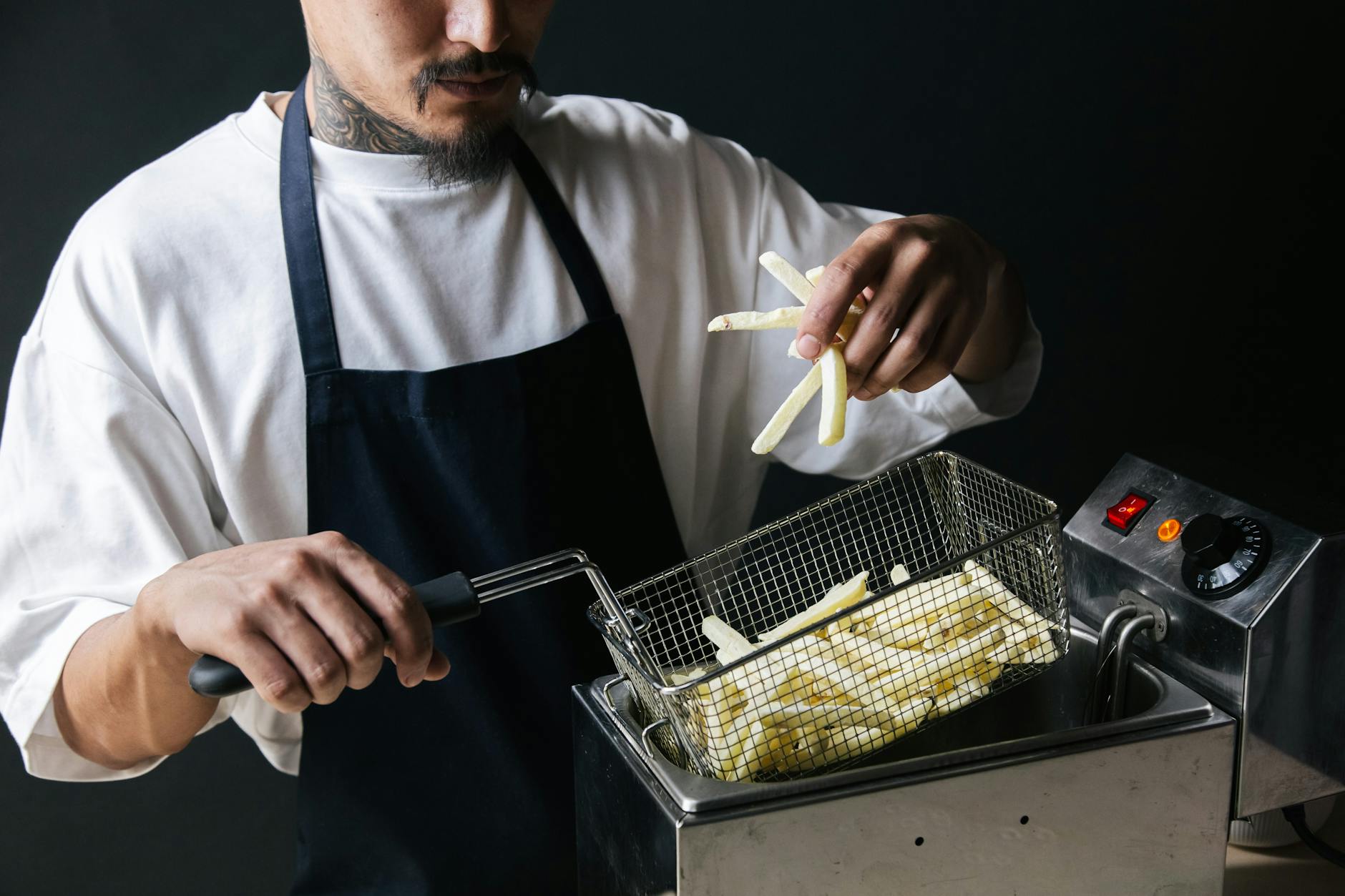
The most important practice is not overcrowding the basket. Air fryers work by circulating hot air around food, and when you pack the basket tightly, air can’t reach all surfaces evenly. The result is inconsistent reheating—some pieces crisp while others stay soft. Arrange food in a single layer with space between pieces. If you’re reheating a large quantity, work in batches. Flip or shake your food halfway through the reheating time. A quick shake of the basket or flip of individual pieces ensures even crisping on all sides.
This extra step takes seconds but produces noticeably better results, especially for irregularly shaped items. A light brush of high-smoke-point oil—avocado or olive oil—can enhance crisping without adding excessive calories. Just a thin coating makes a difference, so resist the urge to soak the food. For different foods, adjust your approach slightly. Pizza slices should sit flat on the basket floor. Fries and wings benefit from the shaking method. Steak slices need gentle handling to avoid drying out the interior while crisping the exterior. Learning your specific air fryer’s hot spots and quirks takes a few batches, but the payoff is reliably better leftovers.
Common Reheating Mistakes That Produce Disappointing Results
The biggest mistake is overcrowding, which we’ve touched on but deserves emphasis. People try to reheat their entire dinner at once, the basket becomes a humid chamber instead of a dry-air oven, and everything comes out mediocre. Batch reheating takes an extra few minutes but transforms the outcome. Similarly, skipping the preheat step means your food sits in warming air rather than immediately crisping, leading to compromised texture. Another frequent error is not adjusting the food arrangement for the air fryer’s heating pattern. Most air fryer baskets heat unevenly—corners and edges get hotter than the center.
Position food strategically, with thicker pieces or items that need more crisping closer to the heating element. Rotate the basket or flip food halfway through, as mentioned, to compensate for uneven heat. Don’t assume one time works for everything. A single piece of pizza behaves differently than three pieces stacked (which will steam rather than crisp). Thin fries versus thick-cut fries need different times. Start with the manufacturer’s recommendations or the times provided for your specific food type, then adjust up or down based on results. Keeping notes on what works prevents trial-and-error reheating.
Nutrition and Calorie Considerations in Air Fryer Reheating
Microwaves generally preserve more nutrients than air fryers due to shorter cooking times and minimal water use. Air fryers employ higher heat and longer cooking times, which can slightly reduce delicate nutrients like vitamin C and B vitamins. If maximum nutrient retention is your primary concern, the microwave has an advantage. However, for most home cooks prioritizing taste and texture, the nutritional difference is modest and worth the trade-off.
One advantage air fryers do offer is calorie reduction when compared to traditional deep frying. Temperature-adjustable air fryers can cut calories by approximately 70 to 80 percent compared to deep-fried food. This means if you’re reheating something that was originally fried, you’re already working with a lower-calorie version. You don’t need to add oil, though a light brush can enhance results without negating that calorie benefit.
When to Use a Microwave and the Case for Having Both
Despite the air fryer’s advantages for texture, microwaves remain superior for speed. If you’re reheating leftovers for a quick lunch at work or need something warm in under a minute, the microwave wins. The hybrid approach—having both appliances and using each for its strengths—is what kitchen experts recommend. Use the microwave for soups, stews, and when speed is paramount. Use the air fryer for anything that was originally crispy, roasted, or textured.
This also removes the false choice between replacing one appliance with another. Your microwave isn’t obsolete; it’s specialized. The same applies to your air fryer. Keeping both means you optimize for each situation rather than accepting compromises. As air fryer ownership becomes more common, this hybrid thinking becomes the standard approach in well-equipped kitchens.
Conclusion
Air fryers genuinely do reheat most leftovers better than microwaves by eliminating the moisture that creates soggy, disappointing results. The science is straightforward: superheated circulating air crisps exteriors while reheating interiors, restoring the texture that made the food worth eating originally. With proper technique—preheating, not overcrowding, flipping halfway through, and following food-specific guidelines—you’ll find that leftovers from last night’s dinner become nearly as good as the original meal.
Start by using your air fryer for foods that were originally crispy, roasted, or breaded: pizza, fries, wings, and vegetables. Keep your microwave for soups and when speed matters. As you get familiar with your air fryer’s patterns and learn the timing for your favorite leftovers, you’ll develop an intuition for what works best. The small investment of time to preheat and manage the reheating process pays dividends in meals that taste like they were freshly made.