
No, families are not being sent a $3,480 disaster relief payment nationwide. This claim is a scam, and FEMA explicitly identifies it as part of a broader fraud pattern targeting disaster victims. The false “$3,480” figure follows a predictable scam formula that also includes claims about $500, $750, and $1,000 emergency payments—all designed to trick vulnerable people during times of crisis.
If you’ve seen this claim circulating on social media or received unsolicited messages about it, you’re looking at a fraudster’s bait. Real disaster relief doesn’t work this way. Legitimate FEMA assistance is determined individually based on documented losses in federally declared disaster areas, requires no upfront fees, and never guarantees a specific payment amount to anyone. This article breaks down what the scammers want you to believe, how the fraud actually operates, and what legitimate disaster assistance looks like.
Table of Contents
- Why the “$3,480 Disaster Relief Payment” Claim Is a Red Flag
- The Pattern of FEMA Disaster Relief Scams and How They Evolve
- Red Flags That Distinguish Scams From Legitimate Disaster Relief
- How Legitimate Disaster Relief Actually Works
- Where Scammers Target Disaster Victims and How They Spread False Claims
- How to Report Suspected Disaster Relief Fraud
- The Evolution of Disaster Relief Scams and Investor Awareness
- Conclusion
Why the “$3,480 Disaster Relief Payment” Claim Is a Red Flag
FEMA has explicitly debunked the “$3,480 payment” rumor, identifying it as one of several false claims following a predictable scam pattern. According to FEMA’s official Rumor Response documentation, scammers consistently target disaster-affected communities with claims about specific dollar amounts—typically $500, $750, $1,000, and now $3,480—promising quick cash to families affected by storms, floods, fires, or other emergencies. The consistency of these false claims reveals the scammers’ playbook.
By offering a concrete, believable-sounding number ($3,480 sounds more legitimate than “free money”), fraudsters create just enough specificity to seem credible while remaining vague enough to avoid immediate fact-checking. The problem: there is no such payment. FEMA doesn’t distribute money based on a universal formula, and legitimate disaster assistance requires a presidential disaster declaration and an official application process for each individual or household.
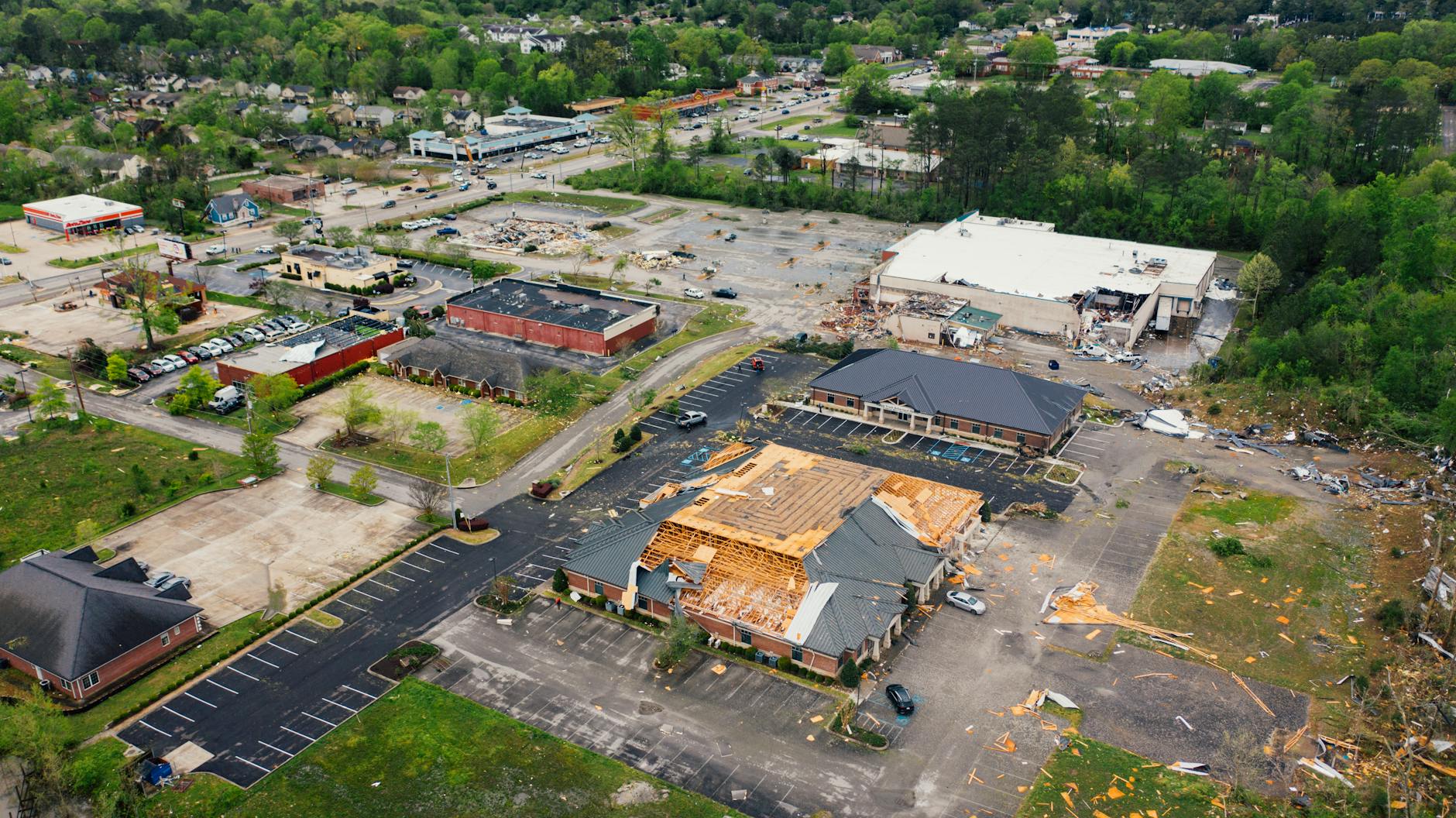
The Pattern of FEMA Disaster Relief Scams and How They Evolve
FEMA’s documented rumor patterns show that disaster scams follow formulaic playbooks, adapting the specific dollar amounts and delivery methods as needed. Beyond the “$3,480” rumor, FEMA also debunks false claims like “I can be paid $3,000 a week to assist with storm cleanup.” These claims share key characteristics: they promise quick money, require minimal or no verification, and create artificial urgency. What makes these scams particularly dangerous is that they exploit people at their most vulnerable. Someone whose home was just destroyed by a hurricane or wildfire is naturally seeking financial relief and may not stop to verify claims carefully.
However, this is exactly when you need to be most cautious. Real disaster assistance from FEMA never works through unsolicited messages, social media, or third-party websites offering guaranteed payments. If someone is actively offering you a specific amount of money without you having formally applied, that’s a scam. Always verify assistance through official FEMA channels at fema.gov or 1-800-621-3362.
Red Flags That Distinguish Scams From Legitimate Disaster Relief
Several warning signs separate fraudulent “disaster relief” offers from legitimate assistance. Guaranteed or unsolicited payments with specific dollar amounts are the most obvious—real FEMA assistance varies based on individual losses and requires verification. Additionally, any request for upfront fees, credit card information, or banking details before receiving aid is a fraud indicator. Legitimate disaster relief never asks you to pay money upfront to receive assistance.
Another critical red flag is pressure to act immediately. Scammers create artificial urgency by suggesting that payments are “ending soon” or that you must respond within 24 hours. This time pressure is designed to bypass your critical thinking. Real disaster assistance, while time-sensitive after a disaster declaration, doesn’t operate on artificial deadlines of hours or days. FEMA opens disaster assistance applications for extended periods (often months) to allow affected individuals to apply. If you’re being pushed to decide immediately, step back and verify independently through official government channels.

How Legitimate Disaster Relief Actually Works
Legitimate disaster assistance from FEMA begins with a presidential disaster declaration issued after a major disaster or emergency. Only after this declaration does FEMA open assistance programs in the affected areas. Eligible individuals must then apply through official FEMA channels—either online at DisasterAssistance.gov, by phone at 1-800-621-3362, or at a local FEMA Disaster Recovery Center. The key difference from scams: assistance amounts are determined individually based on documented losses.
Someone who lost $50,000 in home damage receives different assistance than someone who lost $10,000 in personal property. There is no flat “$3,480 for everyone” formula. FEMA assistance covers various categories including housing, personal property, moving and storage, transportation, medical and dental care, and other serious disaster-related expenses. Each applicant’s situation is reviewed separately, and approval amounts vary widely. This is why scammers can’t actually deliver on their promises—they’re inventing a system that doesn’t exist.
Where Scammers Target Disaster Victims and How They Spread False Claims
Disaster relief scams spread through multiple channels designed to catch people when they’re actively searching for help. Social media platforms see surges of false claims immediately after major disasters, often posted by fraudsters impersonating FEMA or relief organizations. Text messages and email also carry scam offers, sometimes using official-looking logos or urgent subject lines. Some scammers even set up fake websites mimicking legitimate government sites, changing only a letter or two in the URL.
The targeting is often sophisticated. Scammers monitor news about declared disasters and immediately flood affected areas with false claims. Someone in a hurricane zone who searches for “disaster relief” or “FEMA assistance” might see paid ads or organic social media posts promoting fake payment schemes. This is why it’s essential to remember that FEMA will never contact you unsolicited offering money—you must initiate contact through official channels. If someone reaches out to you offering disaster relief, that’s a sign it’s not legitimate.

How to Report Suspected Disaster Relief Fraud
If you encounter a suspected disaster relief scam, report it immediately to FEMA’s Disaster Fraud Hotline at 1-866-720-5721 (toll-free). FEMA takes fraud seriously and uses these reports to identify and shut down scam operations. You can also file a complaint with the Federal Trade Commission at consumer.ftc.gov, which tracks fraud patterns and uses aggregated data to alert the public about emerging scams. Documentation helps authorities.
If you received a suspicious text, email, or saw a fraudulent website, save screenshots or forwarding information before reporting. Include details about how you were contacted and what specific claims were made. The more reports authorities receive about a particular scam variation, the faster they can take action against the fraudsters. By reporting, you’re not just protecting yourself—you’re helping prevent future victims from being scammed.
The Evolution of Disaster Relief Scams and Investor Awareness
Disaster relief fraud isn’t new, but the tactics are evolving. As technology advances and social media becomes increasingly integrated into disaster response communications, scammers adapt their methods. What started as simple emails or phone calls has evolved into sophisticated social media campaigns, fake websites, and coordinated messaging designed to appear credible to vulnerable populations.
For investors and financially-aware individuals, understanding these scams has broader implications. The same critical thinking applied to evaluating disaster relief claims applies to investment opportunities. Scammers use identical psychological tactics: specific numbers that sound credible, artificial urgency, unsolicited offers, and requests for upfront fees. Recognizing the red flags in disaster scams—guaranteed returns, pressure to act quickly, requests for personal financial information—can help you avoid investment fraud and other financial schemes.
Conclusion
The “$3,480 disaster relief payment” is a scam, not a real federal program. FEMA has explicitly identified this claim as part of a broader pattern of disaster relief fraud that exploits vulnerable people seeking assistance after major disasters. Real disaster relief is determined individually based on actual losses, requires no upfront fees, and never comes through unsolicited offers or guaranteed payment amounts.
If you or someone you know has been affected by a disaster and needs legitimate assistance, go directly to DisasterAssistance.gov, call FEMA at 1-800-621-3362, or visit a local Disaster Recovery Center. If you encounter a suspected scam, report it to FEMA’s Disaster Fraud Hotline at 1-866-720-5721 or file a complaint with the FTC at consumer.ftc.gov. The most powerful protection against these frauds is awareness—knowing how they work and recognizing the red flags before you become a victim.