
No. The “$3,770 emergency deposit” is not a real government program, and claims that low-income Americans are “approved” for this before April 15 are part of a coordinated scam operation targeting Americans during tax season. The federal government does not offer any such emergency deposit program. This misleading figure appears to be based on the legitimate average federal tax refund of $3,742 for early 2026 (up 10.6% from the previous year), which scammers have inflated by just $28 to make their pitch seem more credible.
This article breaks down how the scam works, what red flags to watch for, what legitimate assistance actually exists, and how to report this fraud before it costs you money, your identity, or both. The scheme follows a predictable pattern that spikes around the April 15 tax deadline. Criminals reach out to people—often targeting those they know are lower-income—through phone calls, text messages, emails, or social media, claiming they’ve been pre-approved for an emergency government deposit that conveniently matches real-world refund amounts. Once they have your attention, they ask for personal information you should never give: your Social Security number, bank account details, or upfront fees to process the “approval.”.
Table of Contents
- Why Scammers Use the $3,742 Refund Figure and Inflate It to $3,770
- Red Flags of the $3,770 Emergency Deposit Claim
- How Criminals Contact You About the Fake Deposit
- What to Do If You Encounter This Scam
- What Legitimate Low-Income Assistance Programs Actually Look Like
- Understanding Your Actual Federal Tax Refund Timeline and Process
- The IRS Dirty Dozen and Broader Tax Season Protection
- Conclusion
Why Scammers Use the $3,742 Refund Figure and Inflate It to $3,770
The genius of this particular scam lies in its use of real data. The IRS reported in early 2026 that the average federal tax refund sits at $3,742—an increase of 10.6% from the prior year. Scammers picked this up and used it as their foundation. By claiming a “$3,770 emergency deposit,” they’re only $28 off from the real number.
This small deviation makes the pitch sound plausible. Victims think, “Well, that’s close to what I read about tax refunds,” and the credibility bar gets cleared. This approach differs from old-school scams that used obviously inflated or round numbers like “$5,000” or “$10,000.” Modern scammers have learned that specificity matters. When someone tells you the exact figure matches what they’ve heard about average refunds, the psychological resistance weakens. The scammers aren’t asking you to believe in magic money—they’re asking you to believe in a government program that happens to pay amounts that align with real tax data. It’s fraud wrapped in verisimilitude.

Red Flags of the $3,770 Emergency Deposit Claim
The IRS and Federal Trade Commission are clear on one rule: legitimate government agencies will never contact you unsolicited and ask for your Social Security number, bank account information, or personal financial details. If you receive a call, text, or email about an approved deposit that requires you to provide any of this information, it is a scam. Period. The IRS does not work this way. The Department of Housing and Urban Development does not work this way.
No legitimate agency does. Pressure and urgency are the second major red flag. Scammers will tell you the offer expires on April 15, or that you need to “verify your approval” immediately, or that slots are limited. Legitimate government benefits don’t operate on artificial deadlines designed to prevent you from thinking clearly. They also won’t require you to call a number provided in the initial contact. If you’re curious about a real government program, hang up and call the official agency directly using a number from their official website.
How Criminals Contact You About the Fake Deposit
The FTC has documented that this scam uses multiple delivery methods. Some victims receive phone calls claiming to be from the IRS or social security Administration. Others get text messages with links to fake websites. Email phishing campaigns promise that “your application has been approved” and direct you to enter your information on a fraudulent form. Social media platforms see these scams proliferate during tax season, with private messages and ads claiming pre-approval for government money.
The timing is not random. Criminal operations deliberately amplify these messages around tax season because the volume of legitimate tax activity creates cover. People are thinking about refunds, filing deadlines, and government benefits anyway. Your guard is down. Between February and April, the IRS’s own phishing and fraud reports spike dramatically. The criminals know this is their peak season for success, so they flood the zone with messages. This coordination across multiple contact channels makes the scam feel official—if you get contacted by phone and then by email, it seems more legitimate, even though it’s the same criminal operation running both.
What to Do If You Encounter This Scam
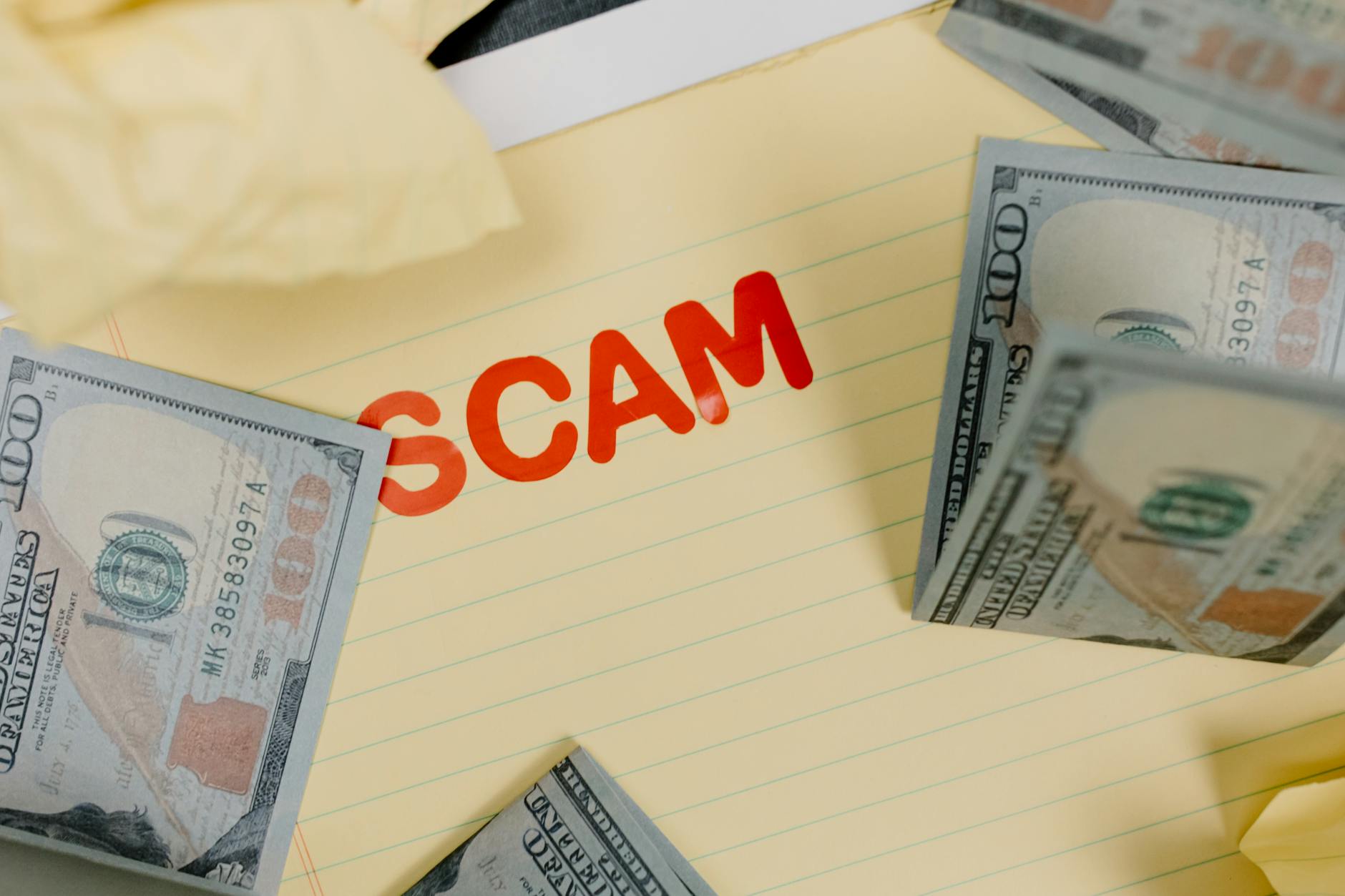
If you receive a message about a “$3,770 emergency deposit” or any unsolicited claim that you’ve been approved for government money, the first step is to do nothing. Do not click links. Do not provide information. Do not call the number they provided. The second step is to report it. The Federal Trade Commission’s fraud reporting website is ReportFraud.ftc.gov. You can also report directly to the IRS if the message impersonates tax authorities.
These reports help law enforcement identify patterns and shut down operations. For your own protection, verify any claims independently. If you believe there’s a legitimate government program you might qualify for, go directly to the agency’s official website. For tax refund information, visit IRS.gov directly. For assistance programs like LIHEAP (Low Income Home Energy Assistance Program), go to the official HHS website or your state’s agency. Never use contact information provided in an unsolicited message. This extra step—looking up numbers yourself—is the difference between staying safe and becoming a victim.
What Legitimate Low-Income Assistance Programs Actually Look Like
If you’re a low-income American and you’ve heard the $3,770 pitch, you might be wondering: are there real programs that provide emergency assistance? Yes, several. The Low Income Home Energy Assistance Program (LIHEAP) provides eligible households help with heating and cooling costs. The Supplemental Nutrition Assistance Program (SNAP) helps with food. The Emergency Rental Assistance Program (ERA) helps with rent. These are real, documented programs administered through your state and local governments. Here’s the critical difference: legitimate programs publish their eligibility requirements clearly. They have application processes.
They have contact information on official government websites. They will not call you unsolicited claiming you’re already approved. They do not ask for upfront fees. They do not demand payment via gift card or wire transfer. When you apply for SNAP, you understand the timeline. You know where to call if you have questions. The process is transparent, not wrapped in secrecy or urgency. If a program’s pitch feels too easy or too good to be true, it’s because it is.

Understanding Your Actual Federal Tax Refund Timeline and Process
Your real federal tax refund works differently than this scam suggests. When you file your taxes (either on your own or with a tax preparer), you’re either reporting that you owe money or that the government overpaid your taxes throughout the year and owes you a refund. The IRS processes returns and issues refunds on a standard timeline—usually within 21 days if you file electronically and choose direct deposit. That’s not guaranteed, but it’s the general rule. The IRS will never call you first with refund information. They communicate through mail.
If you want to check on your refund, you can use the “Where’s My Refund?” tool on IRS.gov. You provide your Social Security number, filing status, and refund amount—information from your own tax return that you provide to them, not the other way around. The process is straightforward, documented, and free. Actual refunds average $3,742 in early 2026. If you’re eligible for earned income tax credit (EITC) or other credits, your refund might be larger. But that money comes to you because of what you reported on your tax return, not because a government agency pre-approved you for a surprise payment.
The IRS Dirty Dozen and Broader Tax Season Protection
In 2026, the IRS released its annual “Dirty Dozen” list of the most dangerous tax scams circulating. The “$3,770 emergency deposit” scam fits the profile of several items on that list: fake refund promises, government impersonation scams, and schemes targeting vulnerable populations. By publishing this list, the IRS is essentially telling taxpayers, “These are the top threats we see right now. Be aware.” The fact that this particular $3,770 claim has become widespread enough to warrant public awareness campaigns is a sign that it’s working—criminals are getting people to fall for it.
Protecting yourself during tax season means staying skeptical of any unsolicited claim about money, maintaining your personal information as if it were your house keys, and remembering that government agencies don’t initiate contact about pre-approvals or windfalls. If you see others falling for this scam—friends, family members, colleagues—share information about the red flags. The more people understand how these schemes work, the fewer victims they create. The IRS and FTC depend on public awareness as much as they depend on enforcement to reduce the damage these scams cause.
Conclusion
The “$3,770 emergency deposit” is a scam that exploits the real average tax refund amount and the natural anxiety people feel during tax season. There is no government program offering this money. No agency has pre-approved you for anything without you applying. If you encounter this claim through any channel, recognize it for what it is: a criminal operation trying to steal your identity or money. Report it to the FTC or IRS directly.
The antidote is information and vigilance. Know that legitimate government benefits exist, but they operate through transparent processes with no unsolicited contact, no requests for personal information out of the blue, and no artificial deadlines designed to prevent you from thinking. If you want to know about real assistance programs, research them independently on official government websites. If you need a tax refund, file your return and check the status yourself. Scammers succeed because they create urgency and they exploit credibility by using real numbers. By knowing how the game works, you can stay ahead of it.
You Might Also Like
- Fact Check: Are Working Americans Entitled To a $4,010 IRS Relief Deposit in June? No. Here’s the Full Story.
- Fact Check: Are Retirees Set to Receive a $4,530 Financial Aid Deposit This Month? No. Here’s the Real Story.
- Fact Check: Are EBT Cardholders Receiving a $4,349 Rebate Deposit Before Summer? No. Here’s What’s Real and What’s Not.