
Bad Bunny, days before taking the stage as the first Latino solo headliner of the Super Bowl halftime show, walked back his viral dare that American audiences learn Spanish before his performance. Speaking with Apple Music Radio hosts Ebro Darden and Zane Lowe ahead of Super Bowl LX on February 9, 2026, the Puerto Rican artist pivoted from his October challenge to a more inclusive message: “I know I told them they had four months to learn Spanish. They don’t even have to learn Spanish.
They can learn to dance… There’s no better dance than the one that comes from the heart.” The shift from linguistic gatekeeping to universal celebration is a savvy move from an artist whose cultural and commercial footprint now extends well beyond the Latin music market, and it carries implications for the entertainment companies, streaming platforms, and advertisers with billions riding on Super Bowl weekend. The original remark came during Bad Bunny’s turn hosting Saturday Night Live in October 2025, when he delivered several sentences in Spanish during his opening monologue before telling the audience, “If you didn’t understand what I just said, you have four months to learn.” The comment drew both cheers and backlash, landing squarely in the middle of ongoing culture-war debates about language, immigration, and representation in mainstream American entertainment. For investors tracking the intersection of cultural moments and market opportunity, this article examines what Bad Bunny’s Super Bowl halftime show means for the NFL’s expanding global audience, the streaming and advertising economics at play, the political backlash and its limits, and why the biggest live entertainment event in the world is betting on a Spanish-language artist at a time when Latino purchasing power is reshaping entire industries.
Table of Contents
- Why Did Bad Bunny Say Learn to Dance, Not Spanish, Before the Super Bowl?
- The Business Case Behind the NFL’s First Latino Solo Halftime Headliner
- What the Grammy Win and Streaming Dominance Mean for Entertainment Stocks
- How Advertisers and Brands Are Playing the Bad Bunny Super Bowl Moment
- The Political Backlash and Why It Has Commercial Limits
- Rumored Guest Appearances and What They Signal About the Latin Music Ecosystem
- What the Super Bowl Halftime Show Tells Us About the Future of Live Entertainment
- Conclusion
Why Did Bad Bunny Say Learn to Dance, Not Spanish, Before the Super Bowl?
The evolution of Bad Bunny’s message between October and February reveals a performer who understands the difference between generating buzz and maximizing an audience. The SNL monologue was designed to provoke, and it succeeded. Four months of media coverage, social media arguments, and think pieces later, the remark had done its job. But with the halftime show audience expected to exceed 120 million viewers domestically, the calculus changed. At a press conference at San Francisco’s Moscone Center, Bad Bunny struck a plainly commercial tone: “I just want people to have fun. It’s gonna be a huge party.” That is the kind of language sponsors want to hear. The walkback, if you can call it that, was less a retreat and more a reframing.
By telling audiences they only need to “learn to dance,” Bad Bunny removed a barrier to entry without abandoning his identity. He will still perform in Spanish. His Grammy-winning album Debí Tirar Más Fotos, which became the first all-Spanish-language album to win Album of the Year at the 2026 Grammys, will almost certainly feature prominently in the setlist. The distinction matters for brands like Apple, Pepsi, and others that have historically sponsored the halftime show: they need the performance to feel both culturally authentic and broadly accessible. Bad Bunny threaded that needle with a single sentence about dancing. Compare this to the 2020 Super Bowl LIV halftime show, where Bad Bunny appeared alongside Jennifer Lopez and Shakira in a supporting role. That performance drew over 100 million viewers and generated significant social media engagement, but it also drew complaints to the FCC and split opinion among conservative commentators. Six years later, Bad Bunny is not sharing the stage as a guest but commanding it solo, a reflection of how dramatically the commercial landscape has shifted toward Latino audiences and Spanish-language content.

The Business Case Behind the NFL’s First Latino Solo Halftime Headliner
The NFL did not select bad Bunny out of charity or cultural goodwill. The league has spent the better part of a decade aggressively courting Latino viewers, expanding its Spanish-language broadcast offerings, staging games in Mexico City, and investing in marketing campaigns targeting Hispanic households. Bad Bunny, currently the most-streamed artist globally on Spotify, represents the commercial apex of that strategy. His audience skews young, bilingual, and digitally native, precisely the demographic that advertisers pay a premium to reach during the Super Bowl. However, if you are an investor looking at this purely through the lens of domestic NFL ratings, the picture is more complicated. The Super Bowl’s television audience has been relatively stable in recent years, and no single halftime performer has been shown to meaningfully move the overall viewership needle in a lasting way. What the halftime show does move is social media engagement, streaming numbers, and brand sentiment. After Rihanna’s 2023 halftime performance, her catalog saw a roughly 640 percent spike in streaming.
Bad Bunny’s catalog, already dominant on Spotify and Apple Music, could see a similar surge, benefiting his label (Rimas Entertainment) and distribution partners. The risk, such as it is, lies in the political backlash. Conservative commentators and figures associated with the MAGA movement criticized Bad Bunny’s selection, with some calling for his deportation, apparently unaware that Bad Bunny, born Benito Antonio Martinez Ocasio, is from Puerto Rico, a U.S. territory, making him a U.S. citizen by birth. Turning Point USA announced it would air its own alternative halftime show simultaneously. For the NFL, which has navigated political controversies ranging from Colin Kaepernick to pandemic protocols, this is familiar territory. The league’s bet is that the commercial upside of reaching Latino audiences far outweighs the noise from a vocal minority.
What the Grammy Win and Streaming Dominance Mean for Entertainment Stocks
Bad Bunny’s Album of the Year win at the 2026 Grammys for Debí Tirar Más Fotos was not just a cultural milestone; it was a market signal. The first all-Spanish-language album to claim that award validated what streaming data has been showing for years: Spanish-language music is no longer a niche genre but a mainstream commercial force. For companies like Spotify, Amazon Music, and Apple Music, this confirmation supports continued investment in Latin music editorial playlists, artist partnerships, and regional content strategies. Spotify, where Bad Bunny holds the distinction of most-streamed artist globally, has been particularly aggressive in this space. The platform has expanded its Latin music offerings, launched region-specific features, and used artists like Bad Bunny as anchor content to drive subscriber growth in Latin America and among U.S.
Hispanic listeners. A strong Super Bowl performance could accelerate subscriber acquisition in these demographics, though the effect is difficult to isolate from broader growth trends. For the recorded music industry more broadly, Bad Bunny’s trajectory illustrates a pattern investors should watch: the declining gatekeeping power of English-language dominance. Universal Music Group, Warner Music, and Sony Music have all increased their Latin music roster investments in recent years. Rimas Entertainment, Bad Bunny’s independent label, has grown into a significant player without the backing of a traditional major. The Super Bowl halftime show, historically a platform for English-language pop and rock acts, is now reflecting a market reality that Wall Street has been slower to price in.

How Advertisers and Brands Are Playing the Bad Bunny Super Bowl Moment
Super Bowl LX advertising spots are reportedly commanding north of seven million dollars per 30-second slot, and the composition of those ads will tell you as much about the shifting market as the halftime show itself. Brands that have historically run Spanish-language or bilingual Super Bowl ads, such as Toyota, T-Mobile, and Coca-Cola, are likely to lean into the cultural moment that Bad Bunny’s headlining slot creates. The question for media buyers is whether to target the halftime window specifically, when Latino and younger viewership is expected to spike, or to spread placements across the broadcast. The tradeoff is straightforward: advertising adjacent to the halftime show offers a more targeted demographic but also the most expensive and competitive inventory.
Brands that opt for pre-game or fourth-quarter slots may reach a broader but less engaged audience. Green Day, performing a pre-game set to celebrate the Super Bowl’s 60th anniversary, provides another anchor point for advertisers looking to reach a rock-oriented demographic before the Latin-dominated halftime takes over. For publicly traded companies with significant Latino consumer bases, think Goya Foods if it were public, or companies like MercadoLibre and Nubank that serve Latin American markets, the cultural alignment opportunity is notable. The Super Bowl remains the single largest shared media event in the United States, and a halftime show that explicitly celebrates Latino identity creates an advertising environment where bilingual and culturally specific messaging feels organic rather than forced.
The Political Backlash and Why It Has Commercial Limits
The conservative backlash to Bad Bunny’s Super Bowl selection has been loud but, from a business standpoint, largely toothless. The calls for deportation, rooted in a misunderstanding of Puerto Rico’s status as a U.S. territory, undermined the credibility of the critics more than they threatened the commercial viability of the event. The NFL, a league that generates over $18 billion in annual revenue, does not make halftime show decisions based on cable news commentary. It makes them based on data about audience growth, advertiser demand, and cultural relevance. That said, investors should not entirely dismiss the political dimension.
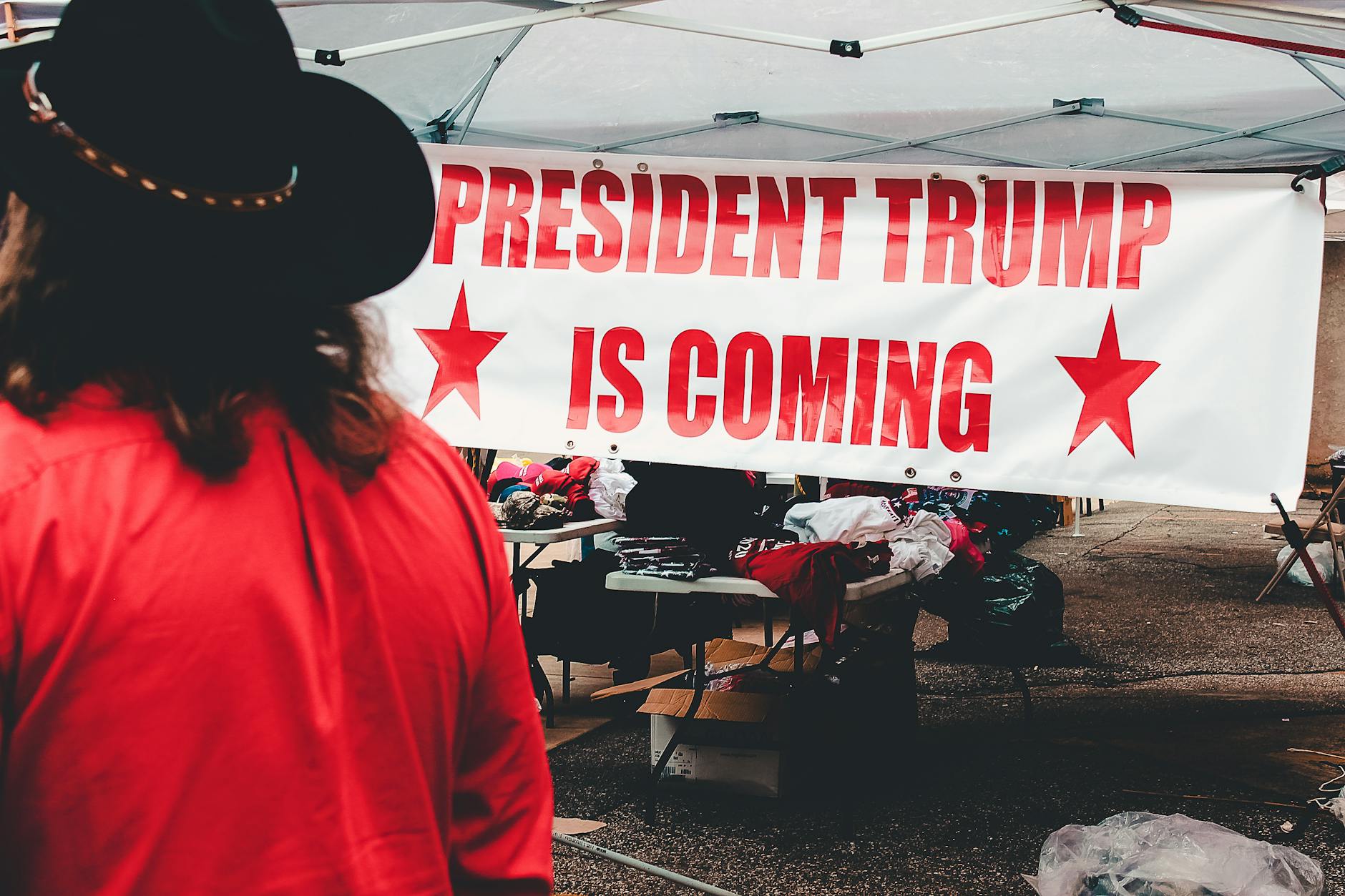
Turning Point USA’s alternative halftime broadcast, while unlikely to attract meaningful viewership, represents a broader trend of cultural fragmentation that affects media companies. If partisan identity increasingly dictates entertainment consumption, it could complicate the NFL’s ability to position the Super Bowl as a universal American event. For now, however, the numbers suggest the opposite: the Super Bowl’s audience has remained massive precisely because it transcends the political divisions that fracture other forms of media. The inclusion of Puerto Rican Sign Language interpretation during the halftime show, a first led by interpreter Celimar Rivera Cosme, adds another dimension worth noting. Accessibility initiatives in live entertainment are increasingly valued by both consumers and ESG-focused investors. The NFL’s decision to incorporate this element signals awareness that inclusivity is not just a social good but a brand strategy, one that resonates with the younger, more diverse audience the league is cultivating.
Rumored Guest Appearances and What They Signal About the Latin Music Ecosystem
Speculation about guest appearances during Bad Bunny’s halftime set has centered on Cardi B and Rauw Alejandro, though Bad Bunny himself has not confirmed or denied any collaborators. If either or both appear, it would reinforce the growing interconnectedness of Latin trap, reggaeton, and mainstream hip-hop, genres that have been commercially converging for years. Cardi B, a Bronx-born artist of Dominican and Trinidadian descent, would underscore the bilingual, cross-genre appeal that makes this moment commercially significant.
Rauw Alejandro, a Puerto Rican artist who has collaborated extensively with Bad Bunny, would double down on the reggaeton identity of the performance. For the music industry, guest appearances at the Super Bowl halftime show function as endorsements with enormous reach. Any artist who shares the stage with Bad Bunny on Sunday will see immediate streaming and social media spikes, creating downstream revenue for their labels and distributors.
What the Super Bowl Halftime Show Tells Us About the Future of Live Entertainment
Bad Bunny headlining Super Bowl LX is not an anomaly; it is an inflection point. The U.S. Hispanic population is the fastest-growing demographic segment in the country, and its purchasing power, estimated at over $3.4 trillion annually, is reshaping industries from food and beverage to financial services to entertainment. The NFL’s decision to build its biggest cultural moment around a Spanish-language artist reflects a bet that the future of American mass entertainment is bilingual, multicultural, and globally connected.
For investors, the through-line is clear: companies that position themselves to serve and reflect this demographic shift will capture disproportionate growth. Those that treat Latino audiences as a secondary market, or worse, as a political football, will lose ground to competitors who understand where the money and the culture are heading. Bad Bunny told his audience they do not need to learn Spanish, just to dance. The market, however, would do well to learn both.
Conclusion
Bad Bunny’s journey from a provocative SNL monologue to a unifying Super Bowl message encapsulates the commercial reality of Latino cultural ascendancy in American entertainment. His pivot from “learn Spanish” to “learn to dance” was not a retreat but a strategic broadening of appeal, executed by an artist who understands that the halftime stage demands both authenticity and accessibility. For the NFL, the advertisers spending record sums, and the streaming platforms poised to capture post-performance demand, Sunday’s halftime show represents the most commercially significant Latin music event in American broadcast history.
The key takeaway for investors is to follow the cultural signals. Bad Bunny’s Grammy win, his Spotify dominance, and his Super Bowl headlining slot are not isolated events but data points in a larger trend of Latino market influence. Companies across the entertainment, media, consumer goods, and technology sectors that align with this demographic shift are positioning themselves for long-term growth. The Super Bowl halftime show, for all its spectacle, is ultimately a business decision, and the NFL’s decision to bet on Bad Bunny tells you where the smart money thinks the American consumer market is headed.