
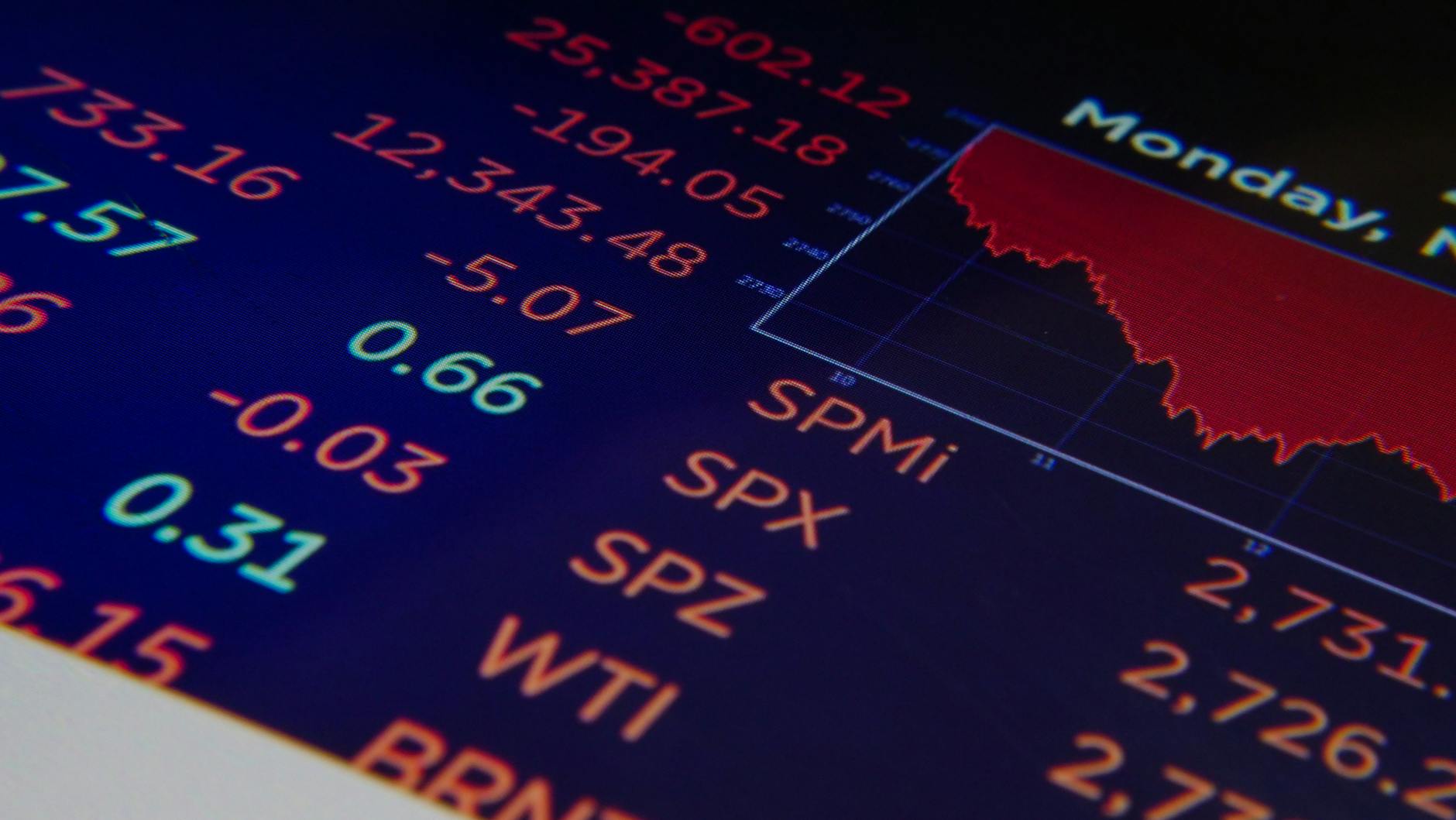
The historic three-year bull run that carried the S&P 500 to remarkable gains is showing unmistakable signs of fatigue. After rallying at least 16% annually for three consecutive years””a feat achieved only three times since 1928″”Wall Street finds itself at a crossroads where elevated valuations, Federal Reserve uncertainty, and shifting investor sentiment are conspiring to halt momentum. The S&P 500 slipped 0.1% during the “Santa Claus” holiday window, marking the third straight year this traditionally bullish period failed to deliver, while the Nasdaq Composite dipped 0.2% in early January 2026, eyeing its first weekly loss. What makes this particular moment noteworthy is the confluence of warning signals flashing across multiple indicators.
The Shiller CAPE ratio is approaching 40″”territory not seen since the peak of the dot-com bubble””while the S&P 500’s forward P/E ratio sits at an elevated 23.8x. These valuations don’t guarantee a crash, but they do suggest that the easy money has been made and that investors should recalibrate their expectations for returns going forward. This article examines the factors driving the current market stall, from Fed policy uncertainty to the emerging “Great Rotation” away from high-flying tech stocks. We’ll explore what historical precedent tells us, where opportunities may still exist, and how investors might position themselves during this period of recalibration.
Table of Contents
- Why Is the Wall Street Rally Showing Signs of Exhaustion?
- The Federal Reserve Problem Looming Over Markets
- The Great Rotation: From AI Euphoria to AI Recalibration
- How Should Investors Position for Market Uncertainty?
- Warning Signs Investors Should Not Ignore
- What Small-Cap and Value Investors Should Know
- Looking Ahead: What Could Reignite the Bull Market
- Conclusion
Why Is the Wall Street Rally Showing Signs of Exhaustion?
The simplest explanation for the current stall is mathematical: stocks have simply risen too far, too fast. The S&P 500 has now delivered back-to-back-to-back years of 16%-plus returns, something the index has accomplished only three times in nearly a century. Two of those three instances occurred in just the last seven years””2019-2021 and 2023-2025″”suggesting we’ve been living through an exceptional period that’s unlikely to continue indefinitely. Valuations tell a similar story.
When the Shiller CAPE ratio approaches 40, history offers few examples of strong forward returns. This cyclically adjusted price-to-earnings measure, which smooths out business cycle fluctuations by using ten years of earnings data, is signaling that investors are paying a premium for future growth that may not materialize at the pace currently priced in. Compare this to the long-term CAPE average of roughly 17, and you begin to understand why some analysts describe current conditions as entering “post-rally digestion.” The failed Santa Claus rally adds another wrinkle. While missing this seasonal phenomenon in any single year means little, three consecutive failures suggest something fundamental has shifted in market dynamics. The traditional year-end optimism that typically lifts stocks through the holiday period has been notably absent, replaced by caution as investors reassess their positions heading into what promises to be an uncertain 2026.

The Federal Reserve Problem Looming Over Markets
Beyond valuations, wall Street faces a significant wildcard: Jerome Powell’s term as Fed Chair expires on May 15, 2026, and President Trump’s nominee for his replacement remains unknown. This uncertainty alone is enough to inject volatility into markets that have grown accustomed to relatively predictable Fed communication over the past several years. Market expectations for rate cuts have already undergone a dramatic recalibration. Earlier hopes for aggressive monetary easing have evaporated, with consensus now narrowed to only one or two 25-basis-point cuts for all of 2026. This shift represents a meaningful tightening of financial conditions compared to what investors anticipated just months ago.
For growth stocks and other duration-sensitive assets, fewer rate cuts mean less multiple expansion and tougher sledding ahead. However, if the economy weakens substantially, the calculus could change. A Fed facing deteriorating employment data or declining consumer spending might pivot more aggressively, potentially reigniting the risk-on trade. Conversely, if inflation proves stickier than expected, even the modest cuts currently priced in could be taken off the table entirely. This two-sided uncertainty makes positioning particularly challenging.
The Great Rotation: From AI Euphoria to AI Recalibration
Perhaps the most significant development of early 2026 is what analysts have dubbed the “Great Rotation.” Investors are pivoting away from high-multiple AI and technology stocks toward segments of the market that were largely left behind during the AI-fueled rally: small-cap stocks in the Russell 2000, value sectors like energy and financials, and infrastructure and defensive plays. This shift reflects a fundamental change in how investors are evaluating artificial intelligence investments. The previous willingness to pay “AI at any price” has given way to demands for tangible monetization evidence. Companies that promised AI-driven revenue growth now face skeptical shareholders asking when those projections will show up in actual earnings.
The Nasdaq 100’s struggle to breach critical resistance at 25,739 illustrates this hesitancy; buyers are no longer stepping in reflexively at every dip. For individual investors, the rotation creates both opportunity and risk. Those heavily concentrated in mega-cap tech names may find their portfolios underperforming even if the broader market holds steady. Meanwhile, neglected corners of the market””regional banks, energy producers, utility companies””could finally have their moment. The challenge is timing: rotations can reverse quickly, and calling the exact inflection point is notoriously difficult.

How Should Investors Position for Market Uncertainty?
The current environment calls for a balanced approach that acknowledges both the risks and the remaining opportunities. Morgan Stanley’s analysts note that while the bull market appears mature, it’s not showing classic exhaustion signs. Their view suggests stocks could have more room to run, supported by accommodative Fed policy and continued””if more measured””AI growth. This creates a genuine tension between the bullish and bearish camps that investors must navigate. One practical approach is sector diversification.
Rather than abandoning equities entirely, investors might consider trimming overweight positions in high-multiple tech names and redeploying capital into undervalued sectors participating in the Great Rotation. Small-cap stocks, which have lagged large-caps for years, could benefit disproportionately if rate cuts materialize and economic growth remains positive. The tradeoff, of course, is opportunity cost. If mega-cap tech stages another leg higher, diversified portfolios will underperform concentrated ones. There’s also the question of timing: rotating too early means missing gains, while rotating too late means catching the downdraft. No strategy eliminates these risks entirely; investors must accept that uncertainty is the price of admission.
Warning Signs Investors Should Not Ignore
While bullish voices counsel patience, several warning signals merit serious attention. The Shiller CAPE ratio approaching 40 represents a genuine historical extreme. During the dot-com bubble, similarly elevated readings preceded a multi-year bear market that devastated growth-stock portfolios. This doesn’t mean a crash is imminent””valuation can remain stretched for extended periods””but it does suggest that downside risks are elevated. The concentration of market gains in a handful of mega-cap names presents another vulnerability.
When a small number of stocks drive index returns, the market becomes fragile. Any negative catalyst affecting those key names””whether regulatory action, earnings disappointments, or simply profit-taking””can cascade through the broader indexes with surprising speed. Investors should also watch credit spreads and bond market signals for early warnings. If high-yield spreads begin widening meaningfully, or if Treasury yields surge unexpectedly, these could indicate stress building beneath the surface calm. The stock market often ignores fixed-income warnings until it’s too late.
What Small-Cap and Value Investors Should Know
The Great Rotation has breathed new life into segments of the market that spent years in the wilderness. The Russell 2000, home to small-cap stocks, has begun attracting flows as investors seek cheaper valuations and exposure to the domestic economy. Energy stocks, often shunned during the ESG-focused years, are finding buyers attracted to dividends and tangible assets. Financials, particularly regional banks that suffered during the 2023 banking stress, look attractive on a price-to-book basis.
For value-oriented investors, this environment offers genuine opportunity””but with important caveats. Small-cap stocks carry higher volatility and greater sensitivity to economic conditions. If recession fears materialize, these names could give back gains quickly. The prudent approach is gradual position-building rather than aggressive all-in bets, allowing room to add on weakness if conviction remains.
Looking Ahead: What Could Reignite the Bull Market
Despite the current stall, several catalysts could restart the upward march. Clarity on Federal Reserve leadership after Powell’s term ends could reduce uncertainty and restore investor confidence. A resolution of geopolitical tensions or positive trade developments could lift sentiment.
Most significantly, if AI investments begin delivering the promised productivity gains and revenue growth, the current “recalibration” could prove to be merely a pause before the next leg higher. Morgan Stanley’s constructive view””that the bull market is mature but not exhausted””rests partly on this logic. Supportive monetary policy, continued corporate profitability, and the long-term structural tailwinds from artificial intelligence remain intact. The question is whether investors have the patience to weather short-term volatility while these themes play out.
Conclusion
Wall Street’s current stall reflects the natural exhaustion that follows an extraordinary three-year rally. With valuations at dot-com-era levels, Federal Reserve uncertainty clouding the outlook, and investors demanding tangible returns from AI investments, the easy gains are likely behind us.
This doesn’t necessarily portend a crash, but it does suggest that the coming months will reward selectivity and patience over momentum-chasing. For investors, the key takeaways are straightforward: diversify across sectors to participate in the Great Rotation, maintain realistic expectations for returns given current valuations, and stay alert to warning signs from credit markets and breadth indicators. Those who approach this environment with discipline and flexibility will be best positioned to navigate whatever comes next””whether that’s a resumption of the bull market or a more extended period of consolidation.