
Recent scientific research suggests that pink noise may not improve deep sleep at all—in fact, the opposite appears to be true. A University of Pennsylvania study of 25 healthy adults found that exposure to pink noise resulted in significantly shorter periods of deep sleep and reduced overall sleep quality. While pink noise has been promoted as a sleep aid for years, with some earlier research suggesting it could enhance restorative sleep through carefully timed pulses, continuous pink noise playback shows measurably negative effects on the sleep architecture that matters most for recovery and cognitive function.
The distinction matters because not all sleep is created equal. A person who sleeps eight hours but spends less time in deep sleep—the stage where physical restoration and memory consolidation occur—may wake up less refreshed than someone who gets six hours of consolidated, high-quality sleep. When researchers monitored brain activity during sleep in controlled laboratory conditions, participants exposed to pink noise at moderate levels showed disrupted sleep patterns that contradicted the popular wellness narrative around using sound machines for better rest.
Table of Contents
- What Does Pink Noise Actually Do to Your Sleep Architecture?
- The Gap Between Popular Claims and Research Evidence
- Subjective Sleep Quality Deteriorates with Pink Noise Exposure
- Earplugs Emerge as More Effective Than Pink Noise
- Individual Sensitivity and Research Limitations
- Why Pink Noise Gained Its Sleep-Enhancing Reputation
- Future Research and Sleep Optimization Alternatives
- Conclusion
What Does Pink Noise Actually Do to Your Sleep Architecture?
Pink noise is a type of ambient sound that contains equal energy across octaves, creating a consistent background hum similar to rainfall or ocean waves. At the 45-50 decibel level typically used in sleep studies—roughly equivalent to moderate rainfall—pink noise appears to interfere with sleep rather than support it. The University of Pennsylvania research measured sleep in five distinct stages over seven consecutive nights in a controlled laboratory environment, tracking not just how long participants slept, but which restorative stages their brains actually entered.
The findings were striking: exposure to pink noise combined with aircraft noise reduced time spent in Stage N3 deep sleep by approximately 23 minutes per night. REM sleep, another critical stage for emotional regulation and memory processing, decreased by roughly 19 minutes. This may not sound dramatic until you calculate the cumulative effect: over a month, that represents nearly 12 lost hours of deep sleep, and over a year, 145 hours of restorative sleep lost. Participants also reported waking up 15 additional minutes per night, which explains why they consistently described their sleep as lighter and more fragmented compared to nights without pink noise.

The Gap Between Popular Claims and Research Evidence
The pink noise sleep story is a textbook example of how a partial truth becomes conventional wisdom. In 2017, Northwestern University published research showing that specially timed pink noise pulses synchronized with brain waves during sleep could enhance deep sleep. That study generated headlines, sparked consumer interest in sleep sound machines, and created a multi-million dollar market for pink noise apps and devices. What often gets lost in popular coverage is the crucial detail: the Northwestern research used strategically timed pulses, not continuous pink noise playback.
Continuous pink noise—the kind coming from your phone speaker or white noise machine all night—appears to work differently than intermittent pulses. The University of Pennsylvania study exposed participants to uninterrupted pink noise and found it disrupted sleep consolidation rather than enhancing it. This is an important limitation that affects the practical advice given to consumers. Someone buying a pink noise app based on headlines about sleep improvement is almost certainly getting continuous sound, not the carefully orchestrated timed pulses that showed promise in earlier laboratory research. The disconnect between the research that inspired the trend and the products actually used by consumers suggests many people are likely experiencing the negative effects without the benefit.
Subjective Sleep Quality Deteriorates with Pink Noise Exposure
Beyond the measurable changes in sleep architecture, participants consistently reported feeling worse after nights with pink noise. They described their sleep as lighter, noticed themselves waking more frequently during the night, and rated their overall sleep quality as worse compared to the silent control nights. This subjective experience aligns with the objective data showing more time awake and less time in restorative deep sleep stages. A person might intellectually understand they spent seven hours in bed, but if they spent 23 fewer minutes in deep sleep and woke up an extra 15 minutes during the night, they would logically feel less rested.
The research involved healthy young adults aged 21 to 41, which is worth noting because sleep needs and sensitivity to noise vary by age. Older adults or people with existing sleep disorders might experience even more pronounced negative effects. Additionally, the study measured effects during continuous, uncontrolled noise exposure in a laboratory—conditions that may more closely resemble urban living or noisy neighborhoods than the intentional use of a relaxing pink noise app. Someone using pink noise specifically because they live near an airport might experience compounded negative effects, as the combination of aircraft noise plus pink noise showed the most significant reductions in deep sleep.
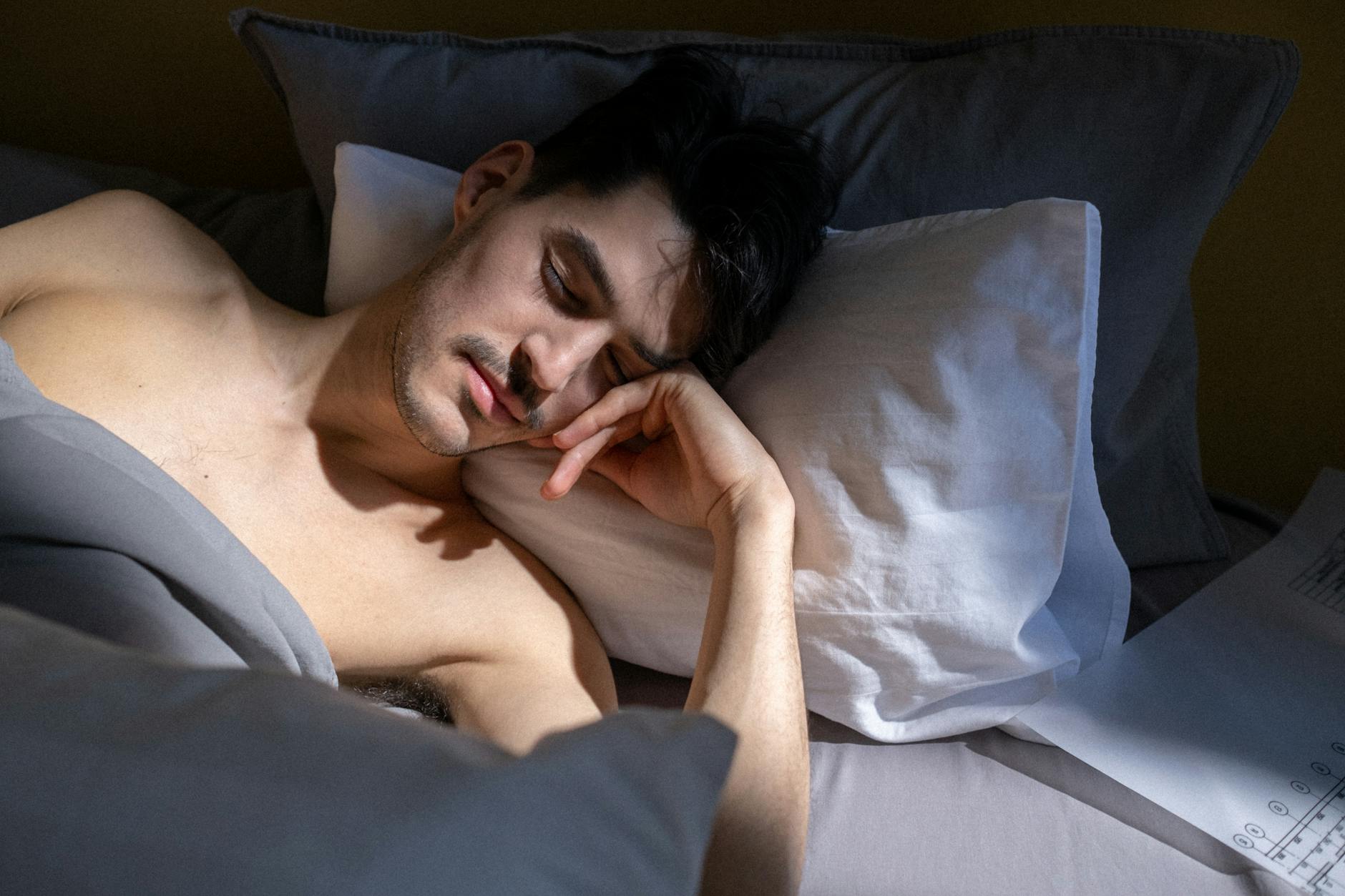
Earplugs Emerge as More Effective Than Pink Noise
When researchers tested protective strategies against environmental noise, earplugs proved superior to pink noise at maintaining sleep quality. This finding matters because it reframes the entire pink noise sleep optimization conversation. If your goal is to block disruptive external noise and preserve sleep quality, simple earplugs—which cost a few dollars and require no battery or app—outperform a technology-dependent solution that may actively interfere with sleep architecture. The practical tradeoff worth considering: earplugs do require finding a comfortable pair that fits your ear canal properly, and some people find them uncomfortable for extended wear.
Pink noise requires nothing more than pressing a button on your phone, creating an appeal for convenience. However, if you’re trading convenience for 23 fewer minutes of deep sleep per night, that’s a significant health cost. For people sensitive to sound, a hybrid approach of using earplugs for the lowest-noise nights and reserving pink noise for genuinely extreme situations might offer the best of both options. The research simply suggests that if sleep quality is the actual goal, earplugs should be tried first.
Individual Sensitivity and Research Limitations
Not everyone in the study experienced identical effects from pink noise exposure, which suggests that individual variability in sleep response exists. Some participants’ sleep architecture was disrupted more significantly than others, though all groups showed measurable negative effects. The study included 25 healthy adults in a controlled laboratory environment, which means the results may not perfectly predict how pink noise affects people with insomnia, sleep apnea, or other sleep disorders. Someone with severe noise sensitivity might experience even worse effects; someone whose sleep architecture is already disrupted by a medical condition might experience different impacts.
A significant limitation of the research is that it tested continuous pink noise in a sleep laboratory, where participants knew they were part of a study and were monitored throughout the night. Real-world sleep occurs in bedrooms with countless other variables—room temperature, light exposure, stress levels, caffeine timing, and sleep debt from previous nights. The controlled environment actually strengthens the negative findings because laboratory conditions are typically optimized for sleep, yet pink noise still degraded sleep quality. Another consideration: the study measured immediate effects over seven nights. Longer-term use of pink noise—months or years—might produce different adaptation effects, though the mechanism by which the brain would begin benefiting from disrupted sleep architecture isn’t clear.

Why Pink Noise Gained Its Sleep-Enhancing Reputation
The popularity of pink noise as a sleep aid partly reflects genuine research (the Northwestern timed-pulse studies), partly reflects consumer desire for a simple solution to noise problems, and partly reflects effective marketing by sleep technology companies. Noise-masking products address a real problem—environmental noise genuinely disrupts sleep—and pink noise is aesthetically pleasing compared to abrupt sounds. Unlike jarring noises like traffic honks or barking dogs, pink noise is gentle and consistent, which explains why it feels subjectively soothing even if it measurably reduces sleep quality.
The broader lesson is worth noting for stock market investors observing this sector: sleep technology companies have successfully created demand for solutions that may not address the underlying problem effectively. The market for sleep apps and white noise devices continues growing despite limited evidence that they improve sleep quality. Companies have strong incentives to promote pink noise despite research showing negative effects, because their business model depends on convincing consumers that they need these products.
Future Research and Sleep Optimization Alternatives
Future research may clarify whether specific frequencies, volumes, or timing patterns of pink noise could provide benefits without the sleep-disrupting effects seen in continuous exposure. However, current evidence doesn’t support that conclusion, and consumers relying on pink noise today shouldn’t assume beneficial effects are coming once the research catches up. The gap between promising preliminary findings and real-world product effectiveness remains large.
For anyone genuinely interested in optimizing deep sleep, the research literature points toward more established interventions: consistent sleep schedules, cool room temperature (around 65-68°F), darkness or a sleep mask to block light exposure, and allowing adequate time between caffeine consumption and bedtime. These factors have strong research support and carry no risk of sleep disruption. For people dealing with environmental noise specifically, the Penn Medicine findings suggest earplugs represent the most evidence-based approach. The pink noise sleep story is a reminder that popular health narratives don’t always align with what the research actually demonstrates.
Conclusion
Pink noise has become a widely recommended sleep tool despite recent research showing it reduces deep sleep and REM sleep by meaningful amounts while increasing nighttime wakefulness. A University of Pennsylvania study found that people exposed to continuous pink noise experienced approximately 23 fewer minutes of deep sleep and 19 fewer minutes of REM sleep per night, along with subjective reports of worse sleep quality. The disconnect between the marketing narrative and the scientific evidence represents a significant health claim that warrants consumer skepticism.
The research strongly suggests that if environmental noise is disrupting your sleep, earplugs outperform pink noise at protecting sleep quality. For investors watching the sleep technology sector, this finding highlights the gap between marketing effectiveness and actual product efficacy—a distinction that often persists even when research contradicts the primary value proposition. Before purchasing a pink noise device or using a sleep app to play ambient sound all night, examining the actual research on continuous pink noise exposure is worth your time.