
Cold butter makes better biscuits because the fat solids in chilled butter create distinct pockets as the dough bakes, producing a layered, flaky texture that hot butter simply cannot achieve. When cold butter is cut into flour, it remains as small, discrete pieces throughout the mixing process. As the biscuits bake, these pockets of solid fat melt and create steam, which separates the layers of dough and produces those desirable flaky layers that characterize a quality biscuit.
Warm or room-temperature butter, by contrast, blends too smoothly into the flour, distributing fat evenly and resulting in a denser, more cake-like crumb. The difference becomes immediately obvious when you compare two batches side by side. Biscuits made with cold butter from the refrigerator will have visible, distinct layers that separate when you pull them apart, while biscuits made with softened butter tend to crumble more uniformly and lack that characteristic flakiness. This is not a matter of opinion or regional preference—it’s a matter of food science and how fat particles interact with heat and moisture.
Table of Contents
- HOW BUTTER TEMPERATURE AFFECTS DOUGH STRUCTURE
- THE MELTING POINT AND MOISTURE DYNAMICS
- THE LAMINATION EFFECT IN BISCUIT MAKING
- PRACTICAL APPLICATION AND TECHNIQUE REQUIREMENTS
- COMMON MISTAKES AND HOW TO AVOID THEM
- REGIONAL VARIATIONS AND TRADITIONAL METHODS
- MODERN FOOD SCIENCE AND FUTURE PERSPECTIVES
- Conclusion
- Frequently Asked Questions
HOW BUTTER TEMPERATURE AFFECTS DOUGH STRUCTURE
The key to understanding why cold butter matters lies in the physics of fat distribution in dough. Butter is approximately 80 percent fat and 15 percent water, with the remaining percentage consisting of milk solids. When butter is cold, these fat solids remain firm and hold their shape as they’re worked into the flour. The flour particles cling to the outside of these butter pieces, creating a layered structure at the microscopic level that resembles a geological formation—distinct strata waiting to be separated by moisture and heat. When you use warm or softened butter, the fat begins to flow and coat the flour particles more uniformly.
This even distribution of fat prevents the formation of those critical pockets. The dough becomes homogeneous, and when it bakes, it rises and sets as a single mass rather than in distinct layers. Professional bakers often use the “pea-sized butter pieces” rule—your goal is to have visible flecks of butter remaining in the dough after mixing, not a smooth, uniform mixture. Temperature stability also matters during the mixing process. Cold butter straight from the refrigerator maintains its solid state as you work it in, whereas slightly warmed butter begins to soften before you finish mixing, losing the very structure you’re trying to preserve. Many bakers keep their mixing bowls and even their hands cool while making biscuits to slow the softening process.

THE MELTING POINT AND MOISTURE DYNAMICS
Understanding butter’s melting point reveals why cold butter creates superior texture. Butter melts around 90 to 95 degrees Fahrenheit—a temperature that will be reached during baking but not during mixing. The pockets of cold, solid butter will remain intact as you work the dough, but will melt when the biscuits enter the oven. As the butter melts, the water content in the butter turns to steam, and this steam pushes the layers of dough apart, creating the flakiness. However, there’s an important limitation to keep in mind: if your kitchen is very warm (above 75 degrees Fahrenheit), even refrigerated butter will begin to soften quickly.
some bakers in hot climates keep their butter in the freezer rather than the refrigerator, or even chill their mixing bowls in the freezer before starting. There’s also a tradeoff—if your butter is too cold or your kitchen is too cold, you may have difficulty working the butter into the flour evenly, resulting in patches of unmixed flour and inconsistent biscuits. The moisture dynamics also explain why you cannot simply use oil as a substitute for butter and expect the same results. Oil, which is liquid at room temperature, cannot create those discrete pockets. Shortening, which is solid at room temperature, comes closer to achieving the effect of cold butter, which is why some recipes use a combination of butter and shortening to improve flakiness.
THE LAMINATION EFFECT IN BISCUIT MAKING
The process of creating layers in dough through the use of cold fat is called lamination, and it’s the same principle that creates the distinctive texture of croissants, Danish pastries, and puff pastry. In those applications, cooks deliberately fold the dough multiple times with butter to create hundreds of thin layers. With biscuits, the lamination happens more subtly and accidentally—you’re not aiming to create dozens of distinct folds, but the principle is identical. When you bite into a well-made biscuit, you can literally see and feel these layers. The exterior may appear slightly crinkled or have a somewhat rough texture, which is actually evidence of those layers separating.
This visual indicator is what bakers look for when judging whether their technique has worked. Compare this to a biscuit made with warm butter, which has a smoother, more uniform surface and a denser interior—the lack of visual texture is a sign that the crucial layering never occurred. A practical example: if you’ve ever had a biscuit from a high-quality bakery or a well-run restaurant breakfast service, the flakiness and the way it separates into layers in your mouth is probably what you remember. That texture is almost certainly the result of careful attention to butter temperature during mixing. Conversely, many home bakers who struggle with achieving flaky biscuits often discover that simply moving from softened butter to cold butter is enough to transform their results.
PRACTICAL APPLICATION AND TECHNIQUE REQUIREMENTS
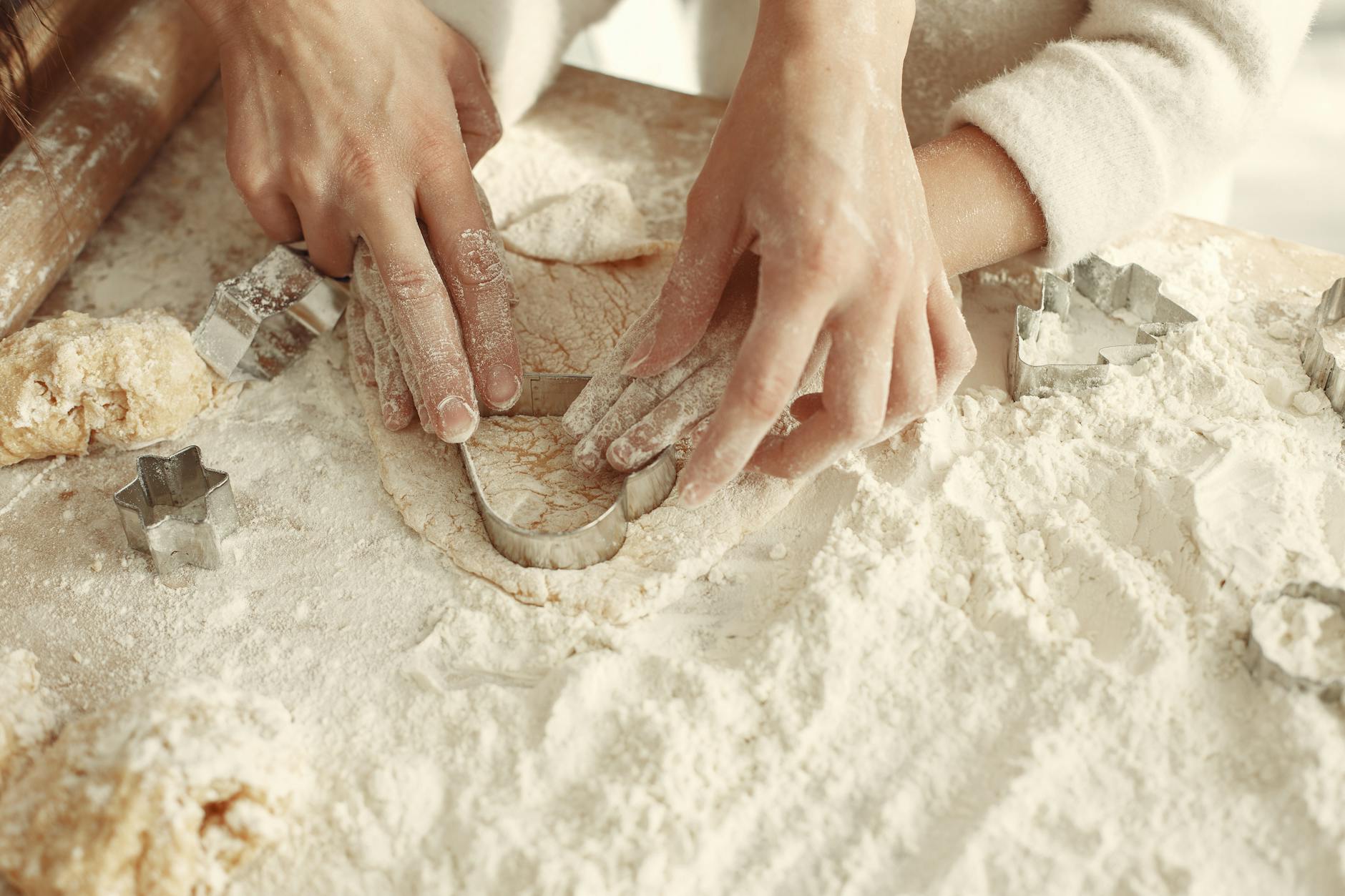
Getting cold butter into your biscuit dough requires more hands-on attention than simply creaming butter and sugar together for cookies. You’ll need to cut the cold butter into small pieces and work it into the flour using either a pastry cutter, two knives, or your fingertips. The goal is to create small, visible pieces of butter about the size of peas or breadcrumbs, depending on how flaky you want the final product to be. Smaller pieces create a more tender crumb, while slightly larger pieces create distinct flakes. Many professional bakers use a food processor fitted with a blade to cut cold butter into flour quickly, which reduces the amount of time the butter spends warming up.
If you’re working by hand, the entire process should ideally take less than five minutes. Working quickly is essential—each minute the dough spends at room temperature is a minute the butter is softening. This is the primary tradeoff of using cold butter: it requires more care and attention during preparation, whereas working with softened butter is more convenient and forgiving. The liquid ingredients (buttermilk, milk, or cream) should also be cold or at least cool when you add them. Mixing cold dry ingredients, cold butter, and cold liquid creates an environment that slows the softening process and gives you maximum control over the texture of your dough.
COMMON MISTAKES AND HOW TO AVOID THEM
One of the most common mistakes is working the cold butter too much into the flour. If you completely blend the butter in, you’ve defeated the entire purpose of using cold butter in the first place. The key is to leave those visible flecks of butter throughout the dough. If you’re using a pastry cutter or two knives, stop when the mixture resembles coarse breadcrumbs or oatmeal. If you’re using a food processor, pulse the machine rather than running it continuously, and stop as soon as the mixture reaches the right texture. Another warning: once you’ve added the liquid to your dry mixture, you enter the danger zone for gluten development.
Working the dough excessively after adding liquid will develop gluten, which will make your biscuits tough and chewy rather than tender and flaky. Many bakers make excellent progress with cold butter, only to undermine their own work by overworking the dough at the final stage. Mix just until the dry ingredients are barely moistened, then stop. Finally, some bakers skip the chilling step that comes after mixing the dough and rolling or shaping it. If your dough has warmed up during mixing, letting it rest in the refrigerator for 15 to 30 minutes before baking can help restore some of that structure. This is particularly important if your kitchen is warm or if you’ve spent a long time working with the dough.

REGIONAL VARIATIONS AND TRADITIONAL METHODS
Different regions have developed distinct approaches to biscuit-making, many of which involve specific techniques around cold butter. Southern American biscuits, which are prized for their flakiness, traditionally use cold buttermilk and ice-cold butter, often kept on ice during preparation. British baking traditions, which emphasize scones and other layered pastries, similarly rely on cold fats to achieve the desired texture.
These regional traditions evolved not from food science textbooks but from practical experience and repeated trial and error. The enduring nature of these traditions—some going back generations—serves as an informal validation of what food scientists have since confirmed: cold butter is essential for flakiness. It’s worth noting that these methods predate any scientific understanding of lamination or the melting point of butter. Bakers discovered that keeping butter cold produced better results, and they passed that knowledge down through families and communities.
MODERN FOOD SCIENCE AND FUTURE PERSPECTIVES
In recent years, food scientists have applied advanced techniques to understand exactly what happens inside the dough as biscuits bake. High-speed cameras and microscopic analysis have confirmed that the pockets created by cold butter do indeed turn into steam-filled gaps that separate layers of dough. This scientific validation of traditional methods has also led to some innovations, such as the development of specialized shortenings and butter products designed to optimize the cold-butter effect.
As home bakers have greater access to both traditional knowledge and scientific explanations, the quality of homemade biscuits has likely improved. The democratization of information means that understanding why cold butter matters is no longer limited to professional bakers or people who grew up in families with strong baking traditions. Anyone willing to pay attention to butter temperature can now achieve results that would have seemed difficult just a generation ago.
Conclusion
Cold butter makes better biscuits because of basic food science: solid fat pockets in dough create layers that separate during baking, producing the flakiness that defines a quality biscuit. This isn’t a matter of preference or tradition—it’s a reproducible result based on the physics of how fat, flour, and moisture interact under heat. The principle is simple, but executing it requires attention to detail and resistance to the convenience of using softened butter.
If you’ve been frustrated with dense or cake-like homemade biscuits, cold butter is likely the missing piece in your technique. The shift from softened to cold butter is one of the highest-impact changes you can make in your baking. It requires no expensive equipment, no unusual ingredients, and no advanced skill—only the willingness to work slightly faster and more deliberately with your ingredients.
Frequently Asked Questions
Can I use frozen butter instead of just cold butter?
Yes, frozen butter works well, though it can be slightly harder to cut into small pieces. Let it thaw for just 5-10 minutes if it’s too hard to work with. The key is that it should still be solid and not soft.
What’s the difference between using cold butter and using shortening?
Shortening is all fat, while butter contains water. The water in butter creates more steam, which produces lighter, flakier layers. Shortening creates flakiness but a slightly different texture. Many bakers use a combination for optimal results.
Can I make biscuits ahead of time if I’m using cold butter?
Absolutely. In fact, many bakers prefer making biscuits ahead. You can cut and shape them, then refrigerate or freeze them before baking. This actually extends the time the butter stays cold and can improve the final result.
Why do some biscuit recipes call for ice water?
Ice-cold liquid slows the softening of butter and helps maintain the pockets you’ve worked to create. It’s an extension of the same principle: keep everything as cold as practical until the dough goes into the oven.
What happens if I accidentally use warm butter?
Your biscuits will likely be less flaky and more uniform in texture—more like a biscuit-shaped bread than a traditional layered biscuit. They’ll still be edible, but you won’t achieve the desired flakiness and separation.
Is there a way to save a dough if I realize the butter has gotten too warm?
If you notice during mixing that the butter is too warm, you can refrigerate the dough for 30 minutes and resume working with it. Chilling won’t fully restore the structure, but it can help partially recover the situation.