
Making yogurt from scratch in a slow cooker is straightforward: heat milk to 180 degrees Fahrenheit, cool it to 110 degrees, add a yogurt starter culture, maintain that temperature for 6-10 hours in your slow cooker, and you’ll have cultured yogurt. The slow cooker’s consistent low heat is ideal for keeping milk at the exact temperature bacteria need to thrive, making it more reliable than many other home methods. If you buy a gallon of whole milk for $3.50 and spend $0.50 on a quality yogurt starter, you can produce a week’s worth of yogurt for roughly $4—compared to $6-8 for store-bought equivalents of the same quality.
The slow cooker method requires minimal active time and produces yogurt with better texture than many stovetop approaches because you’re not fighting temperature fluctuations. Most people can complete the preparation in under 15 minutes, then leave the slow cooker untouched overnight. The result is thick, tangy yogurt you can customize for sweetness, flavoring, and texture—something difficult to achieve with commercial yogurts that often contain excessive added sugar or stabilizers.
Table of Contents
- What Temperature and Time Does a Slow Cooker Need to Produce Yogurt?
- Choosing the Right Milk and Starter Culture for Best Results
- The Heating and Cooling Step That Most Beginners Skip
- Straining, Flavoring, and Customizing Your Homemade Yogurt
- Common Problems and How to Avoid a Failed Batch
- Reculturing: Creating an Ongoing Supply Without Buying Starter Every Time
- Scaling Up and Considering the Long-Term Economics
- Conclusion
- Frequently Asked Questions
What Temperature and Time Does a Slow Cooker Need to Produce Yogurt?
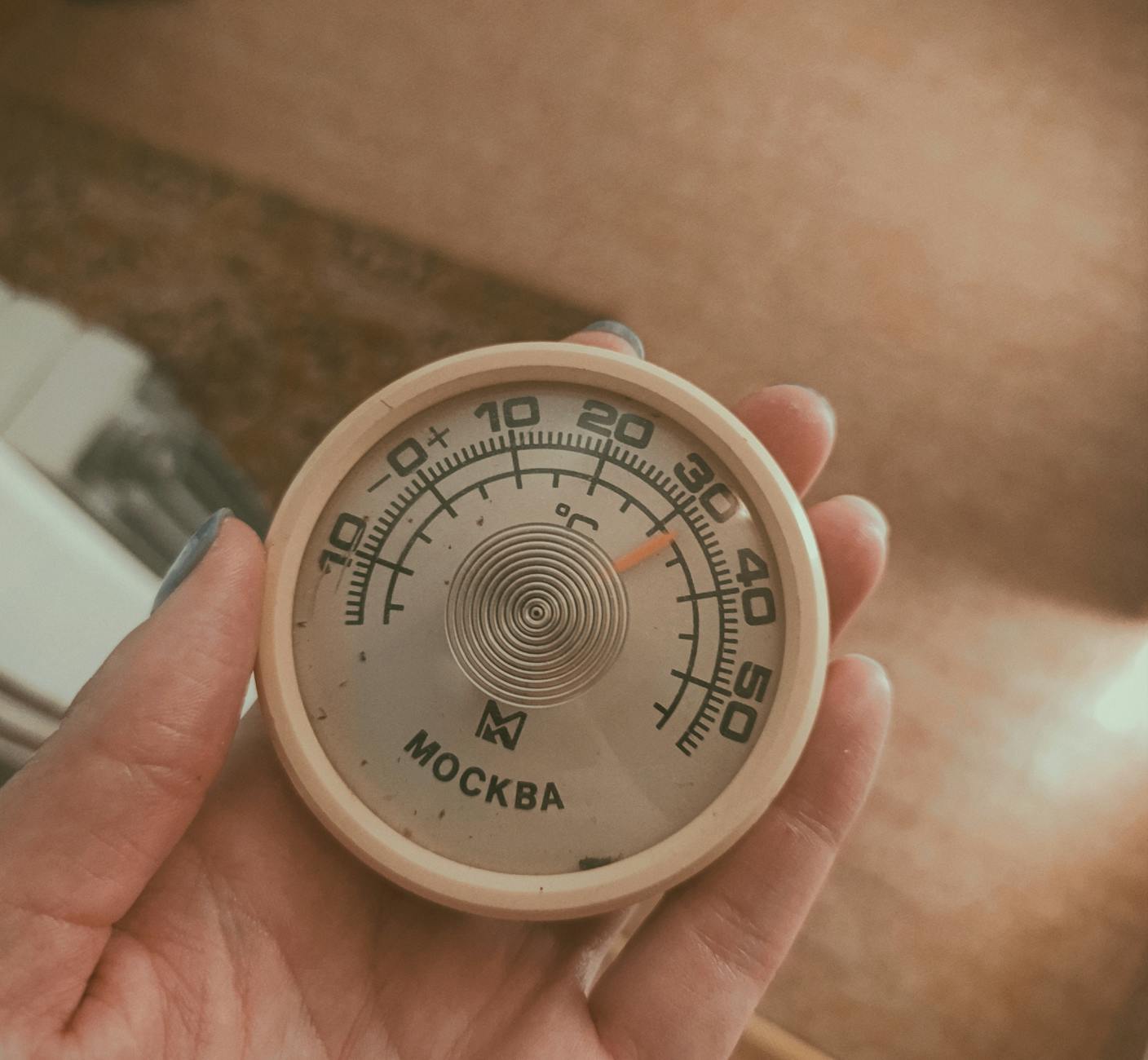
Yogurt requires milk be held between 100 and 115 degrees Fahrenheit to properly culture. Most slow cookers’ lowest setting runs around 140 degrees, so you‘ll need to use the yogurt setting if your model has one, or employ a workaround like wrapping the slow cooker in a towel and using the warm setting. If you have a slow cooker without temperature control—typically older models or less expensive ones—you can place the crock in an insulated cooler with towels and it will maintain adequate temperature for the fermentation period. The culturing time ranges from 6 to 10 hours depending on how tangy you want your yogurt and your room temperature.
Shorter fermentation (6 hours) produces milder, creamier yogurt with less sour flavor. Longer fermentation (9-10 hours) yields tangier yogurt with slightly thinner consistency as more lactose converts to lactic acid. A useful comparison: Bulgarian yogurt styles ferment for 12+ hours and taste distinctly sour, while Greek yogurt makers often ferment for 8-9 hours before straining. Your preference will determine where you land in that window.
Choosing the Right Milk and Starter Culture for Best Results
not all milk works equally well for yogurt-making. Whole milk and full-fat milk produce thicker, creamier yogurt than low-fat or skim varieties because the fat content stabilizes the curd structure. Ultra-pasteurized milk, common in many grocery stores, sometimes fails to set properly because the high-heat pasteurization damages the protein structure. If your yogurt turns out watery after 8 hours of fermentation, ultra-pasteurized milk is often the culprit.
Standard pasteurized milk (held at 161 degrees for 15 seconds, versus 280+ degrees for ultra-pasteurization) works reliably. Your starter culture is equally critical. You can use plain yogurt from the store as a starter—about 2-3 tablespoons per quart of milk—but commercial yogurt cultures from companies like Cultures for Health or Yogourmet offer more consistent results and better temperature stability. The warning here is that store yogurt typically loses potency after about five generations of reculturing; if you make yogurt from your homemade batch repeatedly without introducing fresh starter, you’ll eventually end up with very weak or non-viable cultures. Most home yogurt makers restart with fresh commercial cultures every 4-6 generations.
The Heating and Cooling Step That Most Beginners Skip
Before you add any starter culture, you must heat the milk to 180 degrees for 30 minutes. This step kills any competing bacteria, denatures certain proteins to improve curd formation, and actually makes the milk thicker. Many people skip this step thinking it’s unnecessary, but it dramatically improves success rates, especially if you’re using grocery store milk with variable quality. You can do this directly in the slow cooker (set to high, monitor with a thermometer, then turn off when it reaches 180 degrees) or heat it on the stovetop and transfer it to the slow cooker. Cooling the milk back down to around 110 degrees before adding the culture is non-negotiable.
If you add culture to milk that’s still hot, you’ll kill the live bacteria. This is where patience matters. You can speed the cooling by placing the slow cooker insert in an ice bath for 10-15 minutes, or simply leave it uncovered at room temperature for 20-30 minutes while occasionally stirring. For example, if you heat milk at 7 p.m., you might cool it by 8 p.m., add culture, and have finished yogurt by 3-4 a.m. the next morning—meaning you can strain and refrigerate it before breakfast.

Straining, Flavoring, and Customizing Your Homemade Yogurt
Once your yogurt has cultured for the desired time, you have options. Plain yogurt can be eaten as-is directly from the slow cooker—it will be somewhat thin, similar to liquid Greek yogurt or drinking yogurt. To thicken it, strain the yogurt through cheesecloth or a fine-mesh strainer for 2-4 hours in the refrigerator; the whey drains out and you’re left with thicker yogurt. For every quart of yogurt, you typically drain off about a cup of whey if you strain for 2 hours, or up to 2 cups if you strain for 4 hours.
Flavoring is entirely your choice. You can add honey, vanilla extract, or fresh fruit to individual portions without compromising the batch, or you can divide the yogurt and add different flavorings to each portion. One practical comparison: store-bought flavored yogurts often contain 15-25 grams of sugar per serving, while homemade yogurt with a tablespoon of honey contains about 12 grams. If you’re watching sugar intake, homemade yogurt lets you control that variable precisely. The tradeoff is that homemade versions lack the stabilizers and thickeners commercial yogurts use, so the texture will feel slightly different—less uniformly creamy and more naturally chunky if unstrained.
Common Problems and How to Avoid a Failed Batch
The most frequent failure is ending up with liquid yogurt that never sets. This happens for one of three reasons: your starter culture was dead (usually because you used old yogurt or exposed the starter to heat), your milk temperature never reached the proper range (too cold slow cookers or inconsistent temperature), or your starter-to-milk ratio was too low. If you’re using plain yogurt as starter, use at least 2-3 tablespoons per quart; if you’re using powdered culture, follow the packet instructions exactly. A useful warning: even if your yogurt tastes tangy and sour, if it hasn’t thickened after 10 hours, don’t try to recycle it as starter for the next batch because something prevented proper culturing.
Another common issue is overgrowth of mold or unwanted bacteria. This happens when the milk wasn’t heated sufficiently before culturing or when the slow cooker was contaminated. Always start with a clean slow cooker and starter, and never use a thermometer you’ve previously used for raw meat without sanitizing it first. If you see any pink, orange, or fuzzy growth, discard the entire batch—the batch was contaminated from the start. The good news is that properly made yogurt is quite safe because the acidic environment (pH below 4.6) naturally prevents harmful pathogens from surviving.

Reculturing: Creating an Ongoing Supply Without Buying Starter Every Time
Once you’ve made one successful batch, you can use 2-3 tablespoons of that yogurt as the starter for your next batch, reducing your ingredient costs to just the cost of milk. Most people do this 5-6 times before reculturing with fresh commercial starter. The limit exists because each generation introduces the risk of genetic drift—your yogurt bacteria gradually lose some of their vigor.
You’ll notice around generation 5 or 6 that yogurt takes slightly longer to set or has a less pronounced tang. A practical example of reculturing: if you make a batch every 7-8 days starting with commercial culture, you’ll need to buy fresh culture roughly every 6 weeks. At $5-8 per culture packet, this is negligible compared to your ingredient costs. Many people keep a small jar of frozen yogurt as a “backup starter” in case their active culture becomes weak; frozen yogurt starter can remain viable for 3-6 months.
Scaling Up and Considering the Long-Term Economics
If you’re making yogurt regularly, you might consider buying milk in bulk from a dairy or through buying clubs. A gallon of milk costs $2.50-3.50 in most markets, but buying 4-5 gallons at once can reduce the per-gallon price to $2-2.50. Over a year, if you make 2 quarts of yogurt per week, you’re looking at roughly $52-70 in milk and $10-16 in cultures—total investment of around $62-86 annually.
Compare that to buying equivalent yogurt at the store ($8-10 per week) and you’re spending $400+ per year, so homemade yogurt offers substantial savings. Looking forward, some people invest in dedicated yogurt makers or instant pots with yogurt functions for $50-150, which provide more precise temperature control. However, a slow cooker approach requires zero additional investment beyond the appliance you likely already own. The simple economics favor slow cooker yogurt-making for anyone making more than a quart every two weeks.
Conclusion
Making yogurt from scratch in a slow cooker is an accessible, economical process that requires only milk, a starter culture, and your existing slow cooker. The key steps—heating milk to 180 degrees, cooling to 110 degrees, adding starter, and fermenting for 6-10 hours—are straightforward enough for beginners, and the results are yogurt substantially cheaper than commercial alternatives with no additives or stabilizers you don’t control.
The investment is minimal and the learning curve is forgiving. Your first batch might not be perfect, but identifying what went wrong is simple, and the next attempt will be better. Once you’ve made 2-3 successful batches, you’ll have a renewable yogurt culture that costs almost nothing to maintain, giving you fresh, customizable yogurt whenever you want it.
Frequently Asked Questions
Can I use my slow cooker’s “yogurt” setting instead of wrapping it?
Yes, if your model has one. The yogurt setting is specifically designed to maintain 110 degrees. If you don’t have that setting, wrapping the entire slow cooker in towels reduces heat loss and helps maintain temperature in the 100-115 degree range.
What if my yogurt is too sour?
Reduce fermentation time to 6-7 hours instead of 8-10 hours. Shorter fermentation means less lactic acid development. You can also switch to a milder starter culture if you have one.
Can I use plant-based milk instead of dairy milk?
Coconut milk (full-fat, canned) and oat milk sometimes work, but they require added gelatin or tapioca starch for proper texture because plant-based milks lack the protein structure of dairy. Dairy milk is the most reliable option.
How long does homemade yogurt keep in the refrigerator?
Properly made yogurt lasts 2-3 weeks refrigerated in an airtight container. If you see any mold or smell anything sour beyond normal yogurt tang, discard it.
Do I need special equipment besides a slow cooker?
A thermometer is essential for monitoring milk temperature. Cheesecloth is useful for straining if you want thick yogurt, but you can also use a fine-mesh strainer or coffee filters. Everything else you likely have already.
Can I make yogurt in an Instant Pot instead of a slow cooker?
Yes, many Instant Pots have a yogurt function that works well, though the slow cooker method is simpler for beginners because there’s less to adjust or monitor.