
Old oils in your French press create a rancid, bitter taste that overshadows fresh coffee and harbors bacteria that multiply over time. The solution is simple but requires consistency: rinse your press immediately after use, perform daily hot-water washes, and schedule deeper cleanings weekly or monthly depending on your brewing frequency. Delaying cleaning by even a few hours allows coffee oils to oxidize and bond more tightly to the mesh filter and glass walls, making them exponentially harder to remove later.
Most people underestimate how much residue accumulates in the crevices between the plunger’s metal components. Even if your press looks clean from the outside, old oils and fine grounds are layered inside these hidden spaces, gradually building up a film that compromises the taste of every subsequent brew. The good news is that removing this buildup takes minutes each day and deeper cleanings just once a week.
Table of Contents
- Why Daily Rinsing Prevents Oil Rancidity in French Presses
- The Deep Cleaning Schedule—Weekly or Monthly Depending on Your Habits
- The Vinegar Soak Method for Dissolving Stubborn Oils
- Baking Soda as a Gentler, Odor-Free Alternative
- Why Disassembly Is Critical and the Danger of Mixing Cleaning Methods
- The Glass Vessel and the Details Most People Miss
- Building a Sustainable Cleaning Habit for Long-Term Press Health
- Conclusion
- Frequently Asked Questions
Why Daily Rinsing Prevents Oil Rancidity in French Presses
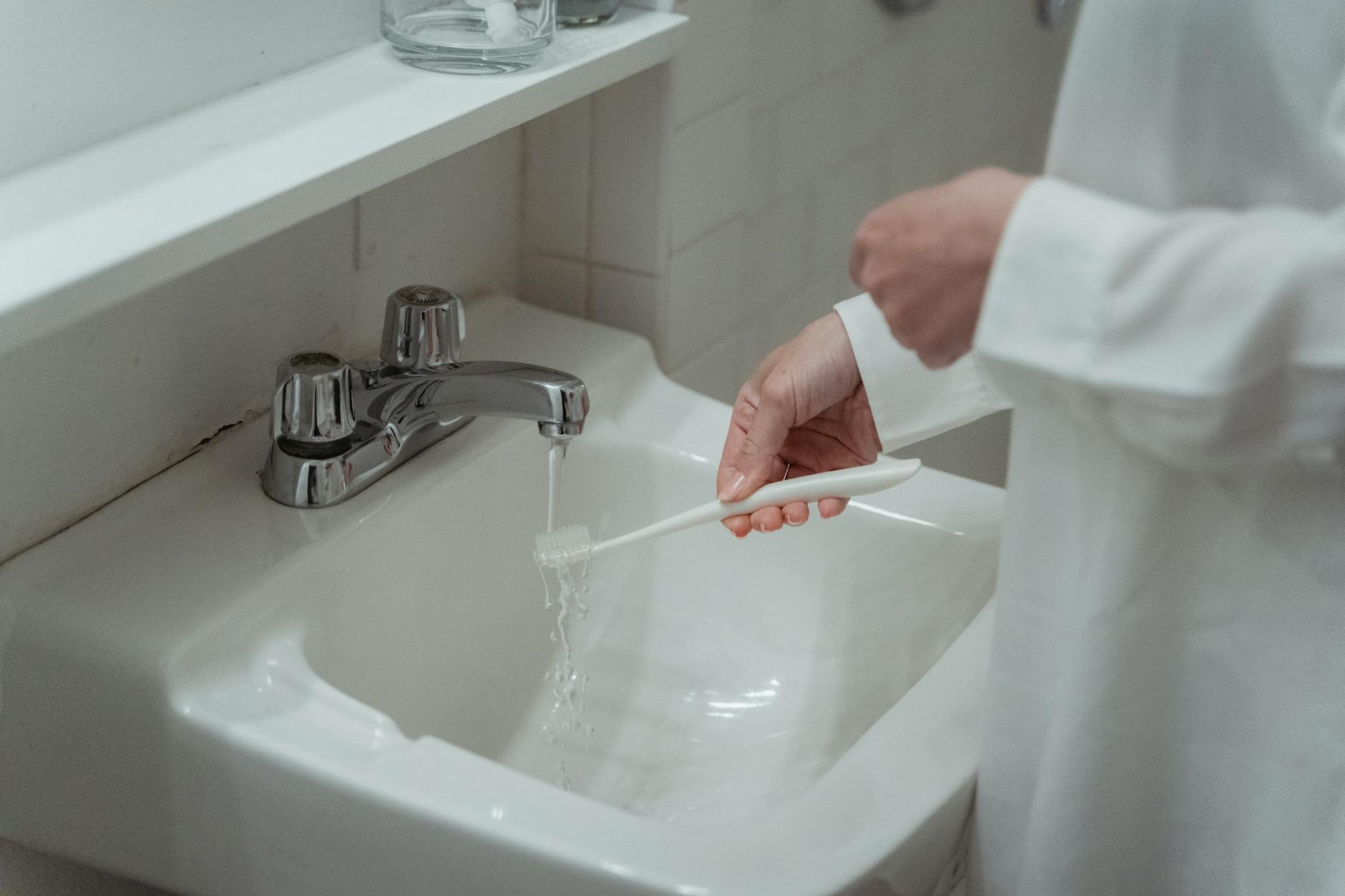
Rinsing your French press immediately after brewing is the single most important step in preventing old oils from lingering. Coffee oils begin to oxidize and go rancid within hours of exposure to air and room temperature, transforming from a pleasant aromatic compound into a stale, unpleasant residue that sticks to surfaces. The longer you wait, the stronger this adhesive bond becomes—an oil that rinses away easily at two hours becomes nearly permanent by the next morning.
When you plunge hot soapy water through the mesh 5 to 10 times right after brewing, you’re catching the oils while they’re still loose and suspended. This daily wash removes the majority of grounds and oils before they have a chance to harden. Soap molecules are naturally attracted to oil, breaking it apart and allowing it to wash away. If you skip this step and leave your press sitting for a day before cleaning, you’re asking yourself to spend triple the effort later trying to dissolve oils that have already begun to set.
The Deep Cleaning Schedule—Weekly or Monthly Depending on Your Habits
If you brew coffee daily, a weekly deep clean using baking soda or white vinegar is necessary to break down oils that daily washing alone cannot fully remove. These oils accumulate in the microscopic grooves of the metal mesh and in the crevices where the plunger rod meets its housing. A weekly soak takes only 15 to 30 minutes but prevents the slow buildup that eventually ruins the taste of your coffee and can introduce mold or bacterial growth.
For lighter brewers—those who use their press three or four times per week—a deep clean every 1 to 2 months is generally sufficient to maintain the press in good condition. However, this assumes you’re doing the daily hot-water rinse without fail. Skip daily rinsing, and oils will accumulate to a point where even a monthly deep clean becomes difficult. The investment of 30 seconds daily saves you from spending 20 minutes fighting stubborn buildup monthly.
The Vinegar Soak Method for Dissolving Stubborn Oils
White vinegar is one of the most effective natural solvents for breaking down coffee oils and mineral deposits that accumulate in French presses over time. The acetic acid in vinegar cuts through the waxy buildup that soap alone sometimes misses. Mix one part white vinegar with two parts warm water and submerge your disassembled plunger components and mesh filter for 15 minutes to one hour, depending on how much buildup you’re dealing with. For a press that hasn’t received a deep clean in months or shows visible brown staining on the mesh, let it soak overnight in a vinegar solution.
The trade-off with vinegar is the lingering smell. Even after rinsing thoroughly, your press may retain a vinegar odor that persists through your next one or two brews. Some coffee drinkers find this acceptable because the vinegar smell dissipates faster than stale oil taste. A helpful tip is to follow your vinegar soak with a baking soda treatment to neutralize the vinegar smell while further breaking down any remaining oils.

Baking Soda as a Gentler, Odor-Free Alternative
Baking soda works differently than vinegar—it chemically reacts with oils to neutralize them rather than dissolving them in acid. Use one tablespoon of baking soda per one cup of hot water and soak your plunger components for at least 15 to 30 minutes. Unlike vinegar, baking soda leaves no lingering smell, making it the preferred choice if you’re sensitive to odors or want to avoid any residual taste differences in your next brew.
Baking soda is also gentler on metal components and the glass vessel, making it a safer choice for older or more delicate presses. The limitation of baking soda is that it works more slowly than vinegar and may not tackle mineral deposits as effectively if you have hard water. If you’ve discovered years of buildup or visible white chalky deposits on your mesh, vinegar is the stronger choice. Many careful users alternate between the two methods—vinegar one month, baking soda the next—to get the benefits of both while minimizing the downsides of either approach.
Why Disassembly Is Critical and the Danger of Mixing Cleaning Methods
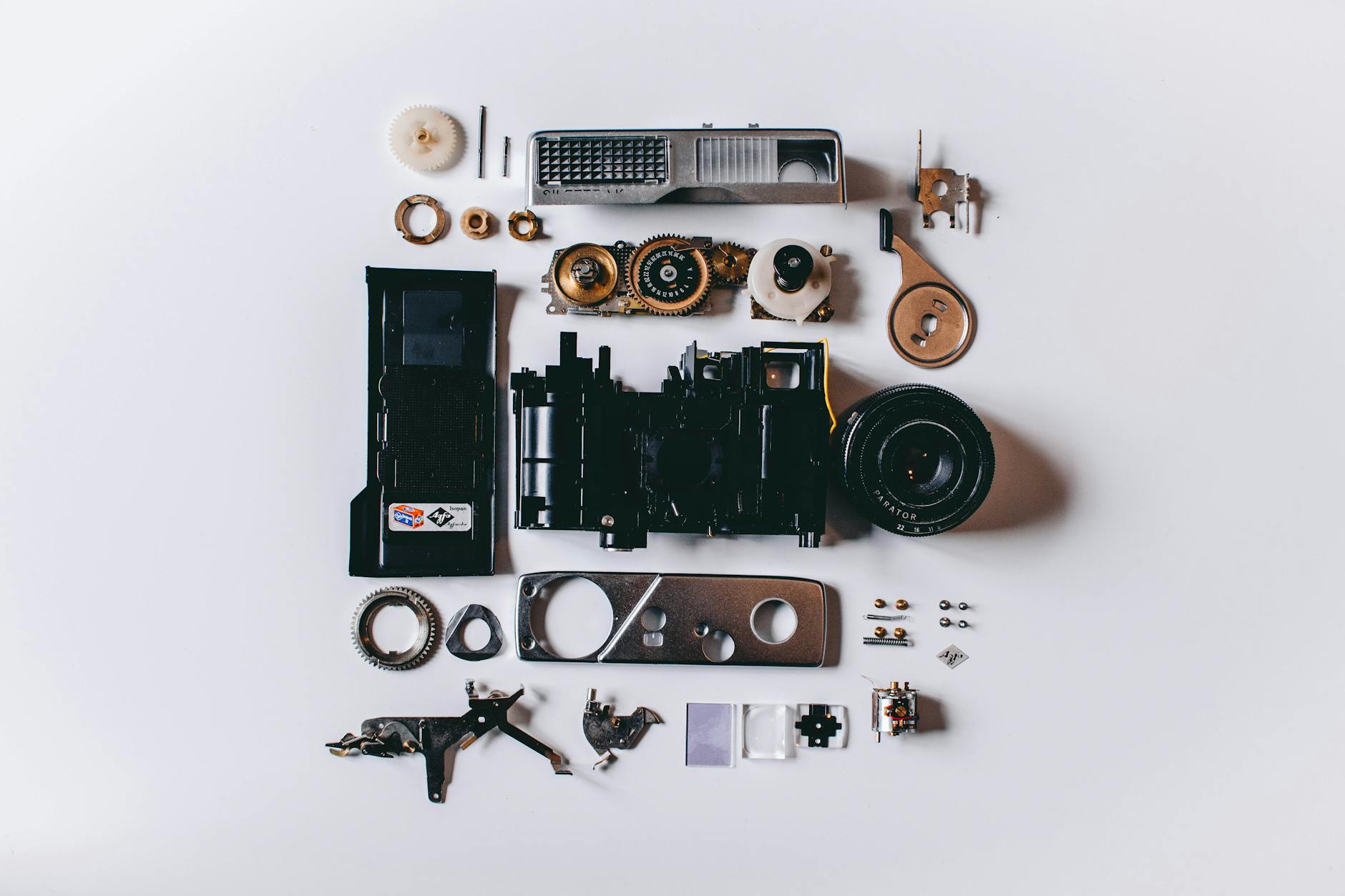
Your French press plunger is composed of several separate parts—a metal rod, a mesh disk, a disk plate, and various washers or springs depending on the model. Coffee grounds and oils accumulate in the thin layers between these components even when the outside appears spotless. If you’ve never disassembled your plunger, you’ll be shocked at the amount of old coffee residue hiding in those tight spaces.
Unscrew these components carefully (consult your manual if you’re unsure) and soak all parts separately in your cleaning solution. Here’s a critical warning: never combine vinegar and baking soda in your French press at the same time. The chemical reaction between these two substances produces carbon dioxide gas and will foam up violently inside your glass vessel, potentially overflowing and making a mess. If you want to use both methods, do the vinegar soak first, rinse thoroughly, and then do the baking soda soak as a separate step hours later.
The Glass Vessel and the Details Most People Miss
The glass chamber itself requires attention beyond the plunger components. Coffee oils coat the interior glass walls, and over time they create a dull, brownish film that reduces the visual appeal of your press and can affect taste. Scrub the interior walls with hot soapy water and a soft brush or sponge, paying special attention to the bottom corners where grounds tend to settle.
During your weekly vinegar or baking soda soak, submerge the entire disassembled press—glass chamber and all—to ensure the walls get treated as thoroughly as the plunger parts. The lid of your French press also accumulates oil residue on its underside. This lid sits directly above the plunger and can drip old oils back into your fresh brew if not cleaned regularly. Include the lid in your deep cleaning routine and wipe its underside with a damp cloth during daily cleaning.
Building a Sustainable Cleaning Habit for Long-Term Press Health
Your French press will last decades if treated with basic consistency. The 30-second daily rinse is the foundation—this single habit prevents 80 percent of the problems that lead people to believe their press is damaged beyond repair. A weekly deep clean with either vinegar or baking soda takes care of the remaining buildup.
These two simple routines require no special equipment, no expensive cleaners, and no complicated techniques. Over time, you’ll notice that your coffee tastes noticeably better when your press is properly maintained. The clarity and brightness of the coffee flavor return, and the stale, rancid undertone disappears. Many coffee enthusiasts who switch to a consistent cleaning regimen report that they enjoy the taste of their press coffee as much as café espresso, even though they’re using the same beans they always had.
Conclusion
Cleaning a French press properly is about preventing old oils from accumulating in the first place, not scrambling to remove them once they’ve hardened. Start with immediate rinsing after each brew, follow with a daily hot-water wash, and commit to a weekly deep clean using vinegar or baking soda. Disassemble the plunger regularly to reach the hidden spaces where the most stubborn buildup occurs, and remember never to mix vinegar and baking soda during the same cleaning session.
The investment of minutes per week will extend your press’s lifespan and dramatically improve the taste of your daily coffee. A properly maintained French press is one of the few coffee brewing devices that actually improves with age and care—unlike many modern machines, it becomes more reliable and capable over years of use. Start your cleaning routine today, and you’ll wonder why you didn’t establish it sooner.
Frequently Asked Questions
How often should I replace the mesh filter in my French press?
With proper cleaning, a quality mesh filter lasts 3 to 5 years or longer. If you notice holes or tears, replacement is necessary. If the mesh appears intact but cleaning no longer seems to remove oils effectively, replacement may restore performance.
Can I put my French press in the dishwasher?
The glass chamber can typically handle a dishwasher, but the metal plunger components and mesh are often damaged by high heat and harsh detergents. Hand washing gives you more control and generally extends the life of your press.
What’s the difference between cleaning for taste versus cleaning for health?
Daily rinsing and weekly deep cleans prevent rancid oils that affect taste. For health purposes, bacterial growth in accumulated oils and grounds is the concern—consistent cleaning prevents this buildup from becoming a food safety issue.
Can I use dish soap exclusively, or do I need vinegar and baking soda?
Dish soap and hot water handle daily cleaning well. Vinegar and baking soda are necessary only for deep cleaning to remove stubborn oils and mineral deposits that soap alone cannot dissolve.
Why does my French press smell bad even after cleaning?
Residual smell usually comes from oils trapped in the mesh or between plunger parts that weren’t fully removed. Disassemble completely and soak all components in vinegar, then follow with a baking soda treatment to eliminate the odor.
Is there a way to clean a French press without taking it apart?
You can clean it without disassembly using daily hot-water washes and regular soaks, but you won’t reach the hidden buildup between plunger components. Disassembly takes two minutes and dramatically improves cleaning effectiveness.