
Kiwi Farms, a sprawling internet forum dedicated to documenting the lives of online personalities, has undergone a significant cultural shift over the past several years. What once served primarily as a repository for tracking the often self-inflicted antics of “lolcows”—internet personalities whose behavior was considered entertainment in itself—has gradually transformed into a platform increasingly consumed by streamer drama and competitive gaming community conflicts. This transition reflects broader changes in online culture, audience interests, and the platforms where drama unfolds, particularly the rise of Twitch and YouTube as the primary stages for the internet’s most watched personalities.
Where Kiwi Farms once documented people like Chris Chan or other internet figures known for their unfiltered behavior, the forum now devotes substantial resources to tracking real-time conflicts between gaming streamers, content creators, and their communities. The shift wasn’t sudden or intentional, but rather evolved organically as the internet’s attention migrated from quirky independent websites to streaming platforms. Streamers became the new lolcows, but with a crucial difference: they had millions of viewers, sponsorship deals, and substantial financial stakes in their public perception. This transformation has made Kiwi Farms simultaneously more relevant to the entertainment industry and more controversial, as accusations and discussions on the platform can directly impact streamers’ earnings, brand partnerships, and careers.
Table of Contents
- How Did Lolcow Culture Dominate Kiwi Farms in the Platform’s Early Years?
- Why Did Streamer Drama Emerge as the Platform’s New Focus?
- What Role Did Competitive Gaming Communities Play in This Shift?
- How Has This Shift Affected Content Creators and Their Livelihood?
- What Are the Ethical and Legal Concerns With This Platform Transition?
- How Do Streamers and Platforms Respond to Kiwi Farms Documentation?
- What Does the Future Hold as Streamer Drama Continues to Evolve?
- Conclusion
How Did Lolcow Culture Dominate Kiwi Farms in the Platform’s Early Years?
The term “lolcow” emerged from 4chan culture and referred to internet personalities who provided endless content—usually through their own poor decision-making or delusional behavior—that could be endlessly mocked. Kiwi Farms, which launched in 2013 as a spinoff from CWCki Wiki (a site documenting Chris Chan), was built explicitly to catalog these personalities and their antics. The platform’s structure reflected this mission: individual “threads” followed specific people, documenting every video, social media post, and public appearance in exhaustive detail. The lolcow model assumed a certain passivity from its subjects—they were people largely unaware of or indifferent to the attention, continuing their behavior regardless. Early prominent lolcows documented on the platform included people known for delusional claims, bizarre behavior, or spectacular failures that they seemed unable to prevent. The appeal lay in watching how far someone would go, what excuses they’d make, or how their situations would deteriorate.
From an audience perspective, it required minimal investment—you could drop into a thread about someone you’d never heard of and immediately understand their “hits,” defining moments, and why the community found them compelling. The platform developed a robust documentation culture, with users meticulously archiving content, compiling timelines, and tracking financial schemes or grifts. The limitation of this model, however, became apparent as internet culture evolved. As more people became aware of being documented on Kiwi Farms, the dynamics changed. Lolcows were no longer passive subjects; some leaned into the attention, while others disappeared from the internet entirely. The platform’s reliance on niche internet personalities meant its most active threads depended on people who were genuinely unusual or unstable—a finite pool of subjects.

Why Did Streamer Drama Emerge as the Platform’s New Focus?
The rise of streaming platforms, particularly Twitch, created a new ecosystem of internet personalities who were simultaneously more powerful and more vulnerable than their lolcow predecessors. Streamers had millions of viewers, sponsorship deals, subscriber income, and corporate backing. They also had something lolcows often lacked: a reputation worth defending and financial consequences for controversy. This made streamer drama far more consequential, and therefore far more interesting to a documentation-focused community like Kiwi Farms. Several factors accelerated this transition. First, the sheer number of streamers—there are hundreds of thousands across Twitch, YouTube, and other platforms—meant there was an essentially unlimited supply of content.
Second, streamer drama often involved allegations of actual misconduct, financial impropriety, or exploitation, not just embarrassing behavior. The stakes were higher, the consequences more real. Third, and perhaps most importantly, Kiwi Farms’ documentation of streamer drama could directly impact their targets in ways that lolcow threads never could. A detailed thread connecting a streamer to previous accusations, documenting contradictions in their statements, or assembling evidence of financial irregularities could influence sponsorship decisions, viewer perception, and income. A critical warning: the shift to streamer documentation has made Kiwi Farms more consequential and also more legally and ethically precarious. Documenting a quirky internet personality’s self-inflicted disasters felt different from assembling dossiers on people with significant financial interests and legal teams.
What Role Did Competitive Gaming Communities Play in This Shift?
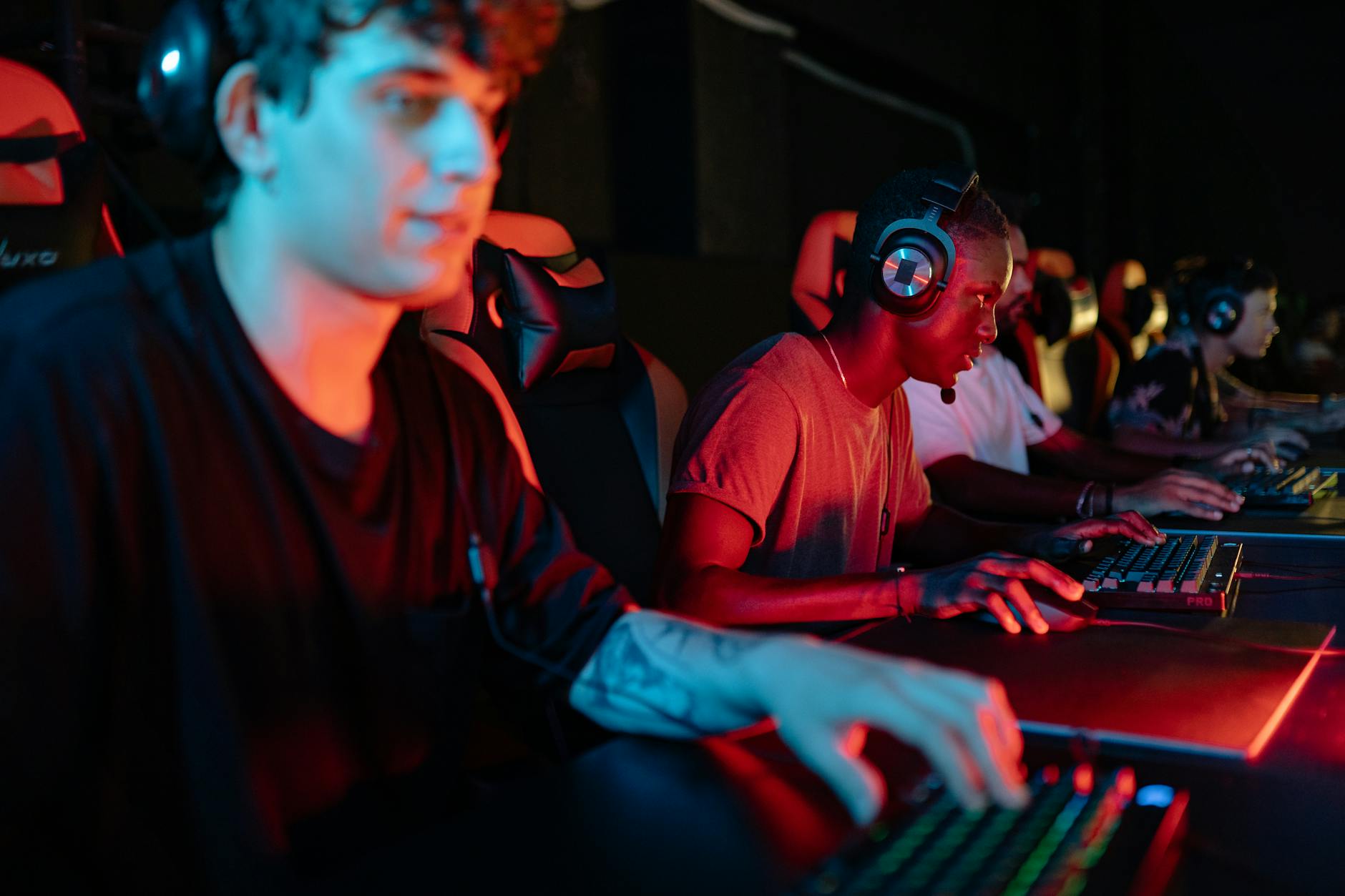
Competitive gaming communities provided the perfect catalyst for Kiwi Farms’ transition from lolcow culture to streamer focus. Games like League of Legends, Valorant, and Counter-Strike created closed ecosystems with clear hierarchies, high stakes, and intense in-group dynamics. Streamers in these communities weren’t just entertainers; they were competitors, mentors, and representatives of gaming organizations with real financial interests. Drama in these spaces—accusations of cheating, exploitative behavior toward newer players, contract disputes, or romantic conflicts—had immediate material consequences.
The documentation culture that made Kiwi Farms useful for tracking lolcows proved equally valuable for tracking streamer drama. Users could build detailed timelines of conflicts, compile evidence, identify patterns in behavior, and present narratives that shaped community perception. Notable gaming figures like Pokimane, Valkyrae, and others saw their controversies meticulously documented, analyzed, and discussed across thousands of posts. In some cases, Kiwi Farms documentation has influenced sponsorship decisions, team rosters, and community standing. A concrete example: when accusations emerged against a prominent esports figure, the detailed timeline compiled on Kiwi Farms became a reference point for journalists, viewers, and sponsors evaluating the situation.
How Has This Shift Affected Content Creators and Their Livelihood?
For streamers, Kiwi Farms’ transition to documenting their communities represents a significant professional risk. Unlike traditional media outlets with editorial standards, fact-checking processes, and legal accountability, Kiwi Farms operates with minimal moderation and no obligation to verify claims before they’re published. A controversial thread can damage a streamer’s reputation, trigger sponsor reviews, and influence potential partnerships. Some streamers have lost sponsorships worth tens of thousands of dollars based partly on allegations compiled and amplified on the platform. The platform’s documentation also creates asymmetrical power dynamics. A dedicated group of users can spend months assembling a comprehensive record of someone’s statements, behavior, and alleged contradictions.
The subject typically has no formal mechanism to respond, correct the record, or challenge the methodology. This resembles traditional journalism in its investigative nature but lacks the professional standards, editorial oversight, or legal responsibility that typically accompanies it. Streamers can post responses, grant interviews, or release statements, but they’re entering a game fundamentally shaped by others’ documentation and narrative choices. A significant comparison: mainstream media outlets operate under libel laws and professional ethics that require accuracy and fairness. Kiwi Farms operates in a gray zone where user-generated documentation can feel authoritative but carries no such obligations. For creators, the practical effect is that false or misleading information can persist indefinitely, shaping viewer perception and market opportunity.
What Are the Ethical and Legal Concerns With This Platform Transition?
The shift from documenting isolated internet personalities to investigating active, profitable streamers has introduced serious ethical questions about harassment, defamation, and privacy. Lolcow threads, while sometimes cruel, generally targeted people with minimal financial stakes and limited audiences. Streamer documentation involves people earning substantial incomes, supporting employees or organizations, and influencing millions of viewers. The consequences are proportionally more severe.
Several patterns have emerged that are concerning: coordinated harassment campaigns launched from Kiwi Farms discussions, doxxing (publishing private information), and what amounts to organized reputation attacks on individuals. While the platform’s terms of service technically prohibit directly coordinating harassment, the distinction between documentation and harassment becomes increasingly blurred when threads routinely suggest actions for followers to take—boycotts, sponsor complaints, stream raids, or investigations into creators’ personal lives. A critical warning: platforms and individuals involved in organizing this activity face real legal exposure. Defamation suits, harassment injunctions, and even criminal charges for coordinated cyberstalking are increasingly common. For users participating in Kiwi Farms discussions about streamers, the assumption that “we’re just documenting” provides less legal protection than it might seem, particularly if there’s evidence of coordination or intent to damage someone’s reputation or livelihood.

How Do Streamers and Platforms Respond to Kiwi Farms Documentation?
Most major streamers and streaming platforms acknowledge Kiwi Farms’ influence while treating it as a problematic necessity. Some streamers monitor threads about themselves, using them as early warning systems for emerging narratives they need to address. Others ignore the platform entirely, viewing engagement as amplification.
Twitch and YouTube have gradually implemented stricter policies against content that encourages harassment or brigading of other creators, partly in response to Kiwi Farms-originated campaigns. Interestingly, Kiwi Farms documentation has occasionally surfaced legitimate issues that mainstream platforms ignored. Stories of exploitation, financial misconduct, or repeated misconduct across the industry have sometimes first been assembled and verified through community investigation on the platform. This creates an awkward situation where the platform has genuine value for accountability but operates through mechanisms that are often harassing and unfair.
What Does the Future Hold as Streamer Drama Continues to Evolve?
As streaming becomes more professionalized and embedded in the entertainment industry, the role of community documentation sites like Kiwi Farms will likely become more contested. Major streaming platforms and creators have increasing incentive to challenge false information and defamatory threads, using legal mechanisms that didn’t exist for earlier lolcow targets. Simultaneously, the platform’s shift toward streamer documentation makes it more influential and more controversial, attracting regulatory attention from legislators concerned about online harassment.
The long-term trajectory suggests either greater formalization of how Kiwi Farms operates—potentially moving toward something resembling journalism standards—or increasing legal challenges that reshape the platform’s role. What seems unlikely is the status quo persisting indefinitely. The financial stakes, the scale of audiences affected, and the pattern of real-world consequences mean that this version of Kiwi Farms—as an unmoderated but influential documentation platform—faces pressure from multiple directions.
Conclusion
Kiwi Farms’ transformation from a niche catalog of internet lolcows to a significant force in streamer communities reflects broader changes in online culture and where audiences consume entertainment. The platform’s core function—detailed, obsessive documentation—remains the same, but its subjects have changed dramatically. Where it once tracked isolated personalities, it now shadows profitable streamers whose livelihoods depend on reputation.
This shift has made the platform simultaneously more influential and more ethically fraught, blurring the line between community accountability and organized harassment. For investors, creators, and platforms navigating this ecosystem, the key takeaway is that Kiwi Farms’ role in shaping narratives and influencing market perception is unlikely to diminish in the near term, even as legal and regulatory pressures mount. Understanding how documentation platforms operate, what narratives they can generate, and how they influence communities has become an essential part of managing online reputation and assessing the stability of creators, platforms, and communities.