
Finding a decent meal near Brooklyn’s major hospitals can mean the difference between a manageable shift and an exhausting one, especially for overnight staff who face limited dining options when kitchen hours close down. The neighborhoods surrounding Brooklyn Hospital Center, Maimonides Medical Center, NYU Langone Health, and SUNY Downstate have developed clusters of restaurants that cater to this specific need—places that stay open late, serve substantial food quickly, and don’t require complicated reservations or long waits. Whether you’re visiting a patient and need somewhere to decompress between visiting hours, or you’re pulling a twelve-hour shift and need to eat at 2 a.m., Brooklyn’s hospital neighborhoods offer genuine options that go beyond vending machine food and stale hospital cafeterias. The key to finding these restaurants is understanding their geography by hospital zone rather than by Brooklyn’s traditional neighborhoods.
Each major hospital sits in a different part of the borough with its own dining patterns and operating hours. Maimonides in Sunset Park, for instance, sits in a neighborhood with strong immigrant communities and businesses accustomed to serving people on irregular schedules. NYU Langone in Downtown Brooklyn has more upscale options alongside casual spots. Knowing which hospitals have dining walkable distance from their entrances versus which require a short walk or drive changes your meal-planning strategy significantly.
Table of Contents
- Which Brooklyn Hospitals Have the Best Restaurant Access for Visitors and Staff?
- Late-Night and 24-Hour Restaurant Options for Overnight Hospital Workers
- Specific Restaurant Recommendations by Hospital Zone
- Evaluating Speed, Price, and Convenience When You’re Tired and On a Schedule
- Common Challenges: Weekend Hours, Holiday Closures, and Unreliable Late-Night Operations
- Delivery and Takeout Systems for Staff Without Walking Time
- Building Your Hospital Dining Playbook for Long-Term Efficiency
- Conclusion
Which Brooklyn Hospitals Have the Best Restaurant Access for Visitors and Staff?
Maimonides Medical Center in Sunset Park has perhaps the densest restaurant ecosystem of any brooklyn hospital, with multiple restaurants within two blocks in multiple directions. The hospital sits at the edge of Sunset Park’s commercial strip, where you’ll find everything from late-night Chinese restaurants that serve hospital staff the way they’ve served the neighborhood’s shift workers for decades to Pakistani and Mexican spots accustomed to serving customers at odd hours. These aren’t restaurants that treat late dining as an afterthought—they’re built around neighborhood patterns that include people working unconventional hours.
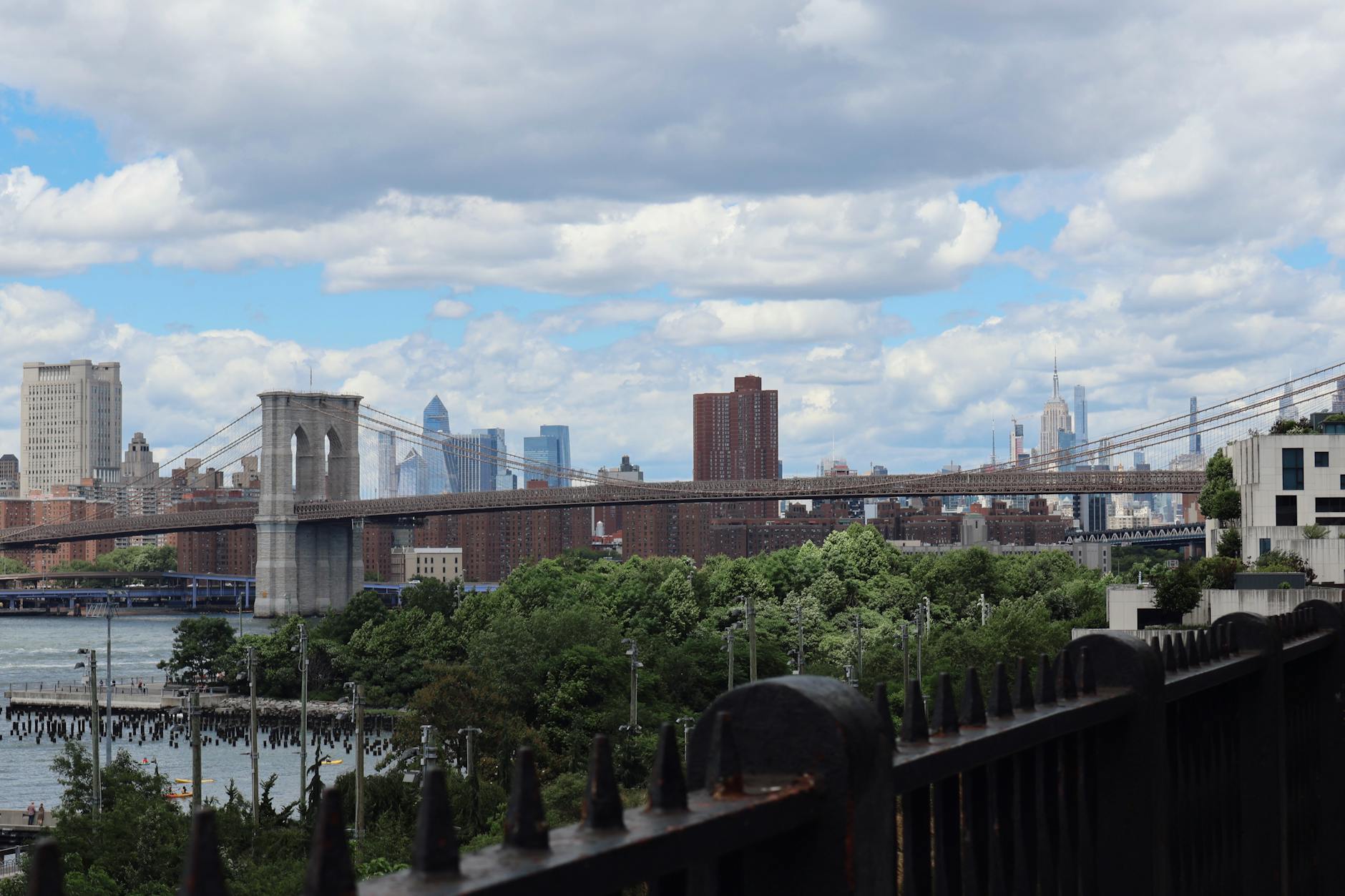
By contrast, Brooklyn Hospital Center in Brooklyn Heights has fewer immediately adjacent options, but its location gives you walkable access to Montague Street’s restaurant row, which runs parallel to the hospital. This means slightly longer walks from the entrance, but more upscale restaurants and cafes that often stay open later than you’d expect in the Heights. The tradeoff is clear: Maimonides offers convenience and working-class food that stays open late as a matter of course; Brooklyn Heights offers more variety but requires slightly more planning to understand which places accommodate hospital schedules.
Late-Night and 24-Hour Restaurant Options for Overnight Hospital Workers
The reality of overnight hospital dining is more limited than daytime options. Many neighborhood restaurants close by 10 or 11 p.m., which creates a dead zone for staff working through the night. The restaurants that do stay open late tend to cluster in specific categories: Chinese takeout places (many still operating under older hours that keep them open until midnight or later), all-night diners, Pakistani and Middle Eastern restaurants that serve evening crowds, and the occasional late-night taco shop. A critical limitation is that these aren’t evenly distributed—you can find them near Maimonides but not necessarily within easy walking distance of every hospital entrance. The safest bet for reliable late-night eating near Brooklyn hospitals is identifying the 24-hour diners first.
There are fewer than you’d expect, and knowing their exact locations—rather than assuming they’re obvious—matters for midnight eating runs. Some of the most reliable sources for after-10 p.m. dining are the Chinese restaurants in Sunset Park near Maimonides, which often operate on hours that skew later because the neighborhood itself has later cultural dining patterns. A common mistake overnight staff make is expecting normal restaurant hour patterns to apply to areas that serve shift workers. They don’t.
Specific Restaurant Recommendations by Hospital Zone
Near Maimonides Medical Center in Sunset Park, Jade Asian Restaurant (on 50th Street) has been a standard for hospital staff for years, serving food until 11 p.m. on most nights and maintaining the kind of speed and efficiency that matters when you have limited break time. It’s unambiguous food—noodles, rice dishes, simple proteins—and the kitchen is accustomed to serving people with genuine time constraints rather than people ordering for leisure. A few blocks further, various Pakistani restaurants on 48th Street serve biryani and other substantial dishes that work well for people who need to eat and then work, not people looking for a leisurely dining experience.
Near NYU Langone in Downtown Brooklyn, you have more restaurant variety, but the challenge is different: the area has gentrified significantly, and many restaurants cater to office workers and tourists, not hospital staff or visitors trying to kill time between patient visits. The upside is that these places are generally cleaner and more predictable. The downside is higher prices and less understanding of irregular meal timing. Balthazar’s or similar casual restaurants stay open reasonably late, but you’re paying Brooklyn restaurant prices for something that serves the same function as the $8 rice-and-chicken you’d get in Sunset Park for $4.
Evaluating Speed, Price, and Convenience When You’re Tired and On a Schedule
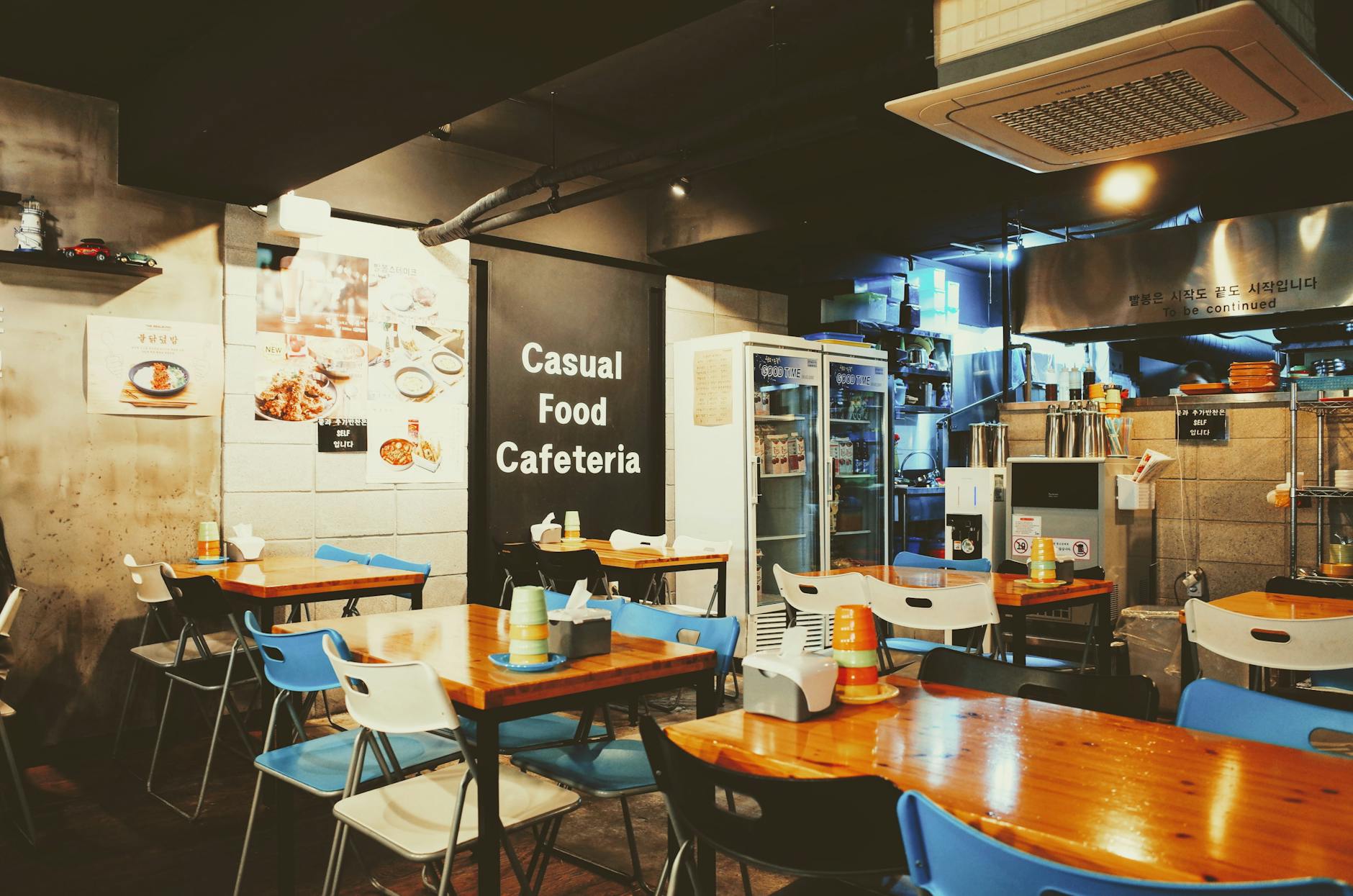
The practical calculus for hospital dining shifts dramatically depending on how much time you actually have and what state you’re in. A visitor who has 45 minutes between visiting hours needs something different from an overnight staff member who has 30 minutes on a break. Speed matters more than ambiance. This means that casual sit-down restaurants, while perfectly fine restaurants, often underperform compared to takeout-oriented places where you can eat at the hospital cafeteria or a break room rather than sitting in the restaurant itself.
The price comparison becomes important when you’re eating multiple times per shift on a limited overnight-hospital-worker salary. A $15 bowl of pasta in Downtown Brooklyn adds up fast across multiple shifts. The Chinese and Pakistani restaurants near Maimonides often run 40-50% cheaper for equivalent food quantity and work better on a long-term budget basis. The tradeoff is simplicity—you’re getting straightforward food, not creative cuisine. For some people, that’s exactly what they need; for others, especially people visiting and needing psychological comfort as much as calories, the more upscale options are worth the extra cost.
Common Challenges: Weekend Hours, Holiday Closures, and Unreliable Late-Night Operations
One frustration that cycles through hospital staff conversations is restaurants suddenly shifting their hours or closing without warning. A place that has been open until midnight might cut back to 10 p.m. seasonally, and nobody always remembers to check ahead. Chinese and ethnic restaurants near hospitals are particularly vulnerable to this—they’re often family-run businesses that may shift operations based on staffing or seasonal patterns.
Before relying on a specific late-night restaurant for a critical meal, you need more than a Google search showing hours listed as “10 p.m.”—you need recent confirmation or familiarity with how that place actually operates. Holidays create secondary disruptions. Thanksgiving, Christmas, and other major holidays often mean restaurants closing entirely or operating on reduced hours, which catches people off-guard who assumed normal service. Hospital staff working overnight on holidays often discover that their late-night options are simply unavailable. The solution is not elegant: you build a list of two or three truly reliable options for critical times and verify them directly rather than relying on online information that may be outdated.

Delivery and Takeout Systems for Staff Without Walking Time
Modern app-based delivery has changed hospital dining somewhat, with services like Uber Eats and DoorDash expanding the effective restaurant reach for people who don’t have time to walk. A hospital employee can now order from restaurants that aren’t immediately adjacent to the hospital, with delivery potentially taking 20-30 minutes rather than a 10-minute walk.
This solves some problems and creates others—the food is sometimes not as good when transported, the markup from delivery apps adds 20-30% to the cost, and late-night delivery reliability drops significantly in overnight hours. That said, for someone on a break who physically cannot leave a certain radius of the hospital, delivery genuinely expands options. Checking which restaurants near a specific hospital actually deliver and have reliable late-night service is more useful than a generic restaurant list.
Building Your Hospital Dining Playbook for Long-Term Efficiency
Over time, people working at or regularly visiting hospitals develop personal playbooks—two or three reliable restaurants they know work, paired with backup options for when one is closed or too crowded. Rather than relying on recommendations from multiple sources, effective hospital dining is about reducing decision-making when you’re tired. You know Joe’s Chinese place is open until midnight on weekdays, you know the Pakistani restaurant has good biryani that keeps you full for 6 hours, you know the diner on Montague Street is safe if you’re near Brooklyn Heights. This kind of knowledge beats any comprehensive restaurant list.
The restaurants that survive long-term near hospitals typically do so because they understand this dynamic. They’re not trying to be trendy or impressive—they’re reliable. They’re accustomed to people who come in at irregular hours, eat quickly, and need portion sizes that sustain them through long work shifts. For new hospital staff and visitors, the best strategy isn’t seeking the perfect restaurant, but finding two or three workable options you can trust and using those until you develop stronger preferences.
Conclusion
Brooklyn’s major hospitals sit in different neighborhoods with genuinely different dining ecosystems. Maimonides in Sunset Park offers convenience and late-night options because the surrounding neighborhood already operates on those hours. Downtown Brooklyn offers variety but less specialized late-night service. Brooklyn Heights offers walkable restaurant access but requires understanding which places actually work for hospital schedules.
The most practical approach isn’t finding the single best restaurant, but identifying which hospital zone you’re near and learning the reliable late-night options in that specific area. For visitors managing the emotional weight of hospital visits, eating somewhere that feels normal and stable—even if it’s just a familiar Chinese restaurant or diner—serves a function beyond nutrition. For overnight staff, the function is purely mechanical: fuel that you can get quickly without wasting break time. Understanding which Brooklyn hospitals have which options, and building your personal playbook from actual patterns rather than online reviews, is the only approach that works over months or years of hospital dining.