
Brooklyn offers substantial options for people following keto and low-carb diets, though finding restaurants that properly accommodate these restrictions requires knowing where to look and what to ask for. The borough’s diverse restaurant scene—spanning Italian steakhouses, upscale seafood establishments, modern gastropubs, and international cuisine—provides multiple entry points for diners avoiding bread and pasta. A visitor following a strict keto diet can find a satisfying meal at establishments ranging from neighborhood Italian restaurants willing to substitute vegetables for pasta, to meat-focused restaurants that make carb-conscious eating their default rather than an accommodation.
The challenge isn’t finding food in Brooklyn, but rather identifying restaurants with kitchen staff who understand keto requirements and can execute modifications without cross-contamination or hidden carbohydrates. Many restaurants will claim to offer low-carb options while still including sugary sauces, cornstarch-thickened gravies, or bread-based side dishes by default. The restaurants detailed below have demonstrated consistent ability to serve properly keto-compliant meals, either through menu design or through staff training that understands the distinction between “low-calorie” and “low-carbohydrate.”.
Table of Contents
- What Makes a Brooklyn Restaurant Truly Keto-Friendly Beyond Removing the Bread?
- The Hidden Carbohydrate Problem in Brooklyn’s Restaurant Sauces and Sides
- Steakhouse Excellence and the Brooklyn Meat-Focused Restaurant Advantage
- Strategic Ordering at Non-Steakhouse Restaurants and Building Your Regular Spots
- Cross-Contamination Risks and Kitchen Communication Challenges
- Price Comparison and Value Across Restaurant Categories
- Brooklyn’s Expanding Restaurant Awareness and the Future of Keto Dining
- Conclusion
- Frequently Asked Questions
What Makes a Brooklyn Restaurant Truly Keto-Friendly Beyond Removing the Bread?
A genuinely keto-friendly restaurant requires more than simply omitting the bread basket. It requires kitchen knowledge about hidden carbohydrates in sauces, dressings, and seemingly innocent sides. Many restaurants thicken their pan sauces with cornstarch or flour, sweeten their vinaigrettes with sugar or honey, and serve vegetables cooked in sugar-laden glazes. The difference between a restaurant that removes your pasta and one that truly serves keto correctly is whether the chef understands why carbohydrates matter to your order. Steakhouses represent the most reliable category for keto dining in brooklyn because their core offering—beef, fish, and eggs prepared simply—aligns naturally with keto principles.
A proper steakhouse will serve your steak with butter, offer vegetables prepared with fat rather than sugar, and have staff trained to understand that “no carbs” means scrutinizing every component of the plate. The trade-off is that steakhouses often carry a higher price point than casual restaurants, typically ranging from thirty to seventy dollars for an entrée before sides and drinks. Italian restaurants present both opportunity and risk. Many Brooklyn Italian establishments will gladly substitute zucchini noodles or spaghetti squash for pasta and can prepare proteins in olive oil and herbs without issue. However, some kitchens view these substitutions as unusual requests requiring special effort, leading to inconsistent execution or irritation from staff. A restaurant that has already integrated vegetable substitutes into its regular menu indicates better understanding and execution than one treating the request as a special favor.

The Hidden Carbohydrate Problem in Brooklyn’s Restaurant Sauces and Sides
One limitation of dining keto at restaurants is the prevalence of hidden sugars in items that appear carb-free. Tomato-based sauces at Italian restaurants often contain added sugar, sometimes up to five grams per serving. Many vegetable sides are glazed with honey, maple syrup, or brown sugar. Even salad dressings frequently contain sugar as a primary ingredient, disguised under names like “balsamic reduction” or listed as the second or third item in the ingredient statement. A keto diner at a restaurant cannot easily verify whether these hidden carbohydrates are present without interrogating the server or kitchen in detail. Restaurant kitchens also frequently use cornstarch or potato starch as thickening agents in pan sauces and gravies.
A pan sauce that appears to be pure butter and cream may contain substantial hidden starch added during preparation. When ordering, specifically request that your sauce be prepared without thickening agents and ask whether any sugar has been added. Many restaurants will accommodate this request once they understand the requirement, but the burden falls on the diner to ask. The warning here is that restaurants making medical or dietary claims should be approached cautiously. Some establishments advertise “keto-friendly” menu items that have been tested for macro ratios at the restaurant’s in-house standard portion sizes, which may not match what you actually receive on any given evening. Portion drift—where the amount of protein or vegetable served varies from day to day—can significantly impact the actual macronutrient content of your meal.
Steakhouse Excellence and the Brooklyn Meat-Focused Restaurant Advantage
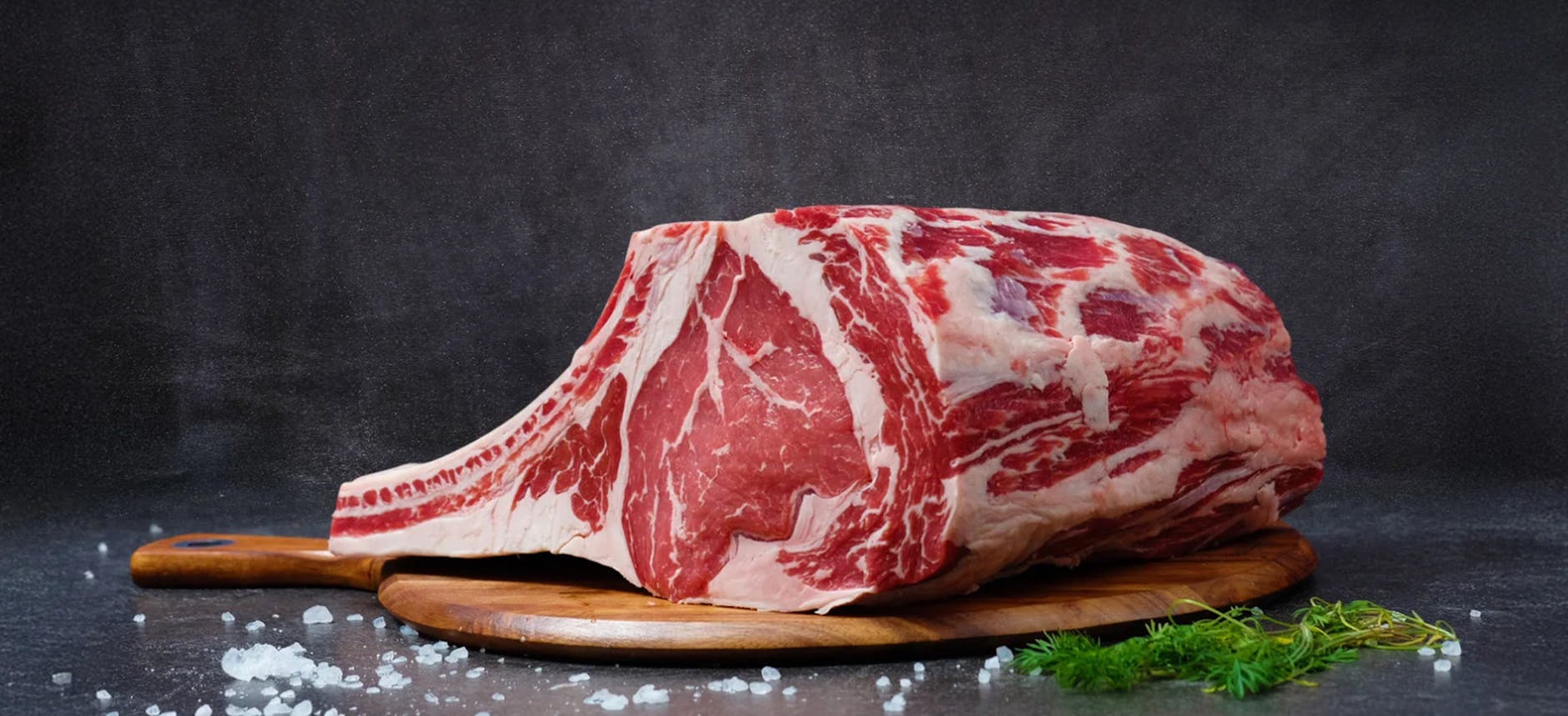
Brooklyn’s steakhouses and upscale meat-focused restaurants provide the most consistent keto experience. A traditional steakhouse approach—high-quality beef, cooked to your specification, served with butter, and accompanied by non-starchy vegetables—requires minimal modification to align with keto requirements. The restaurant’s entire operational structure supports this way of eating rather than treating it as an exception. A specific example of this approach appears in Brooklyn’s neighborhood steakhouses, where a simple order of ribeye with asparagus sautéed in butter and a side salad with oil and vinegar requires no negotiation with the kitchen. The kitchen staff understands that this is a legitimate preparation method rather than a customer requesting items “without” something.
The meal arrives consistent and reliable, and the proteins are sourced with the same care as any other order. Restaurants built on this foundation invest in quality ingredients and simple preparation techniques, which aligns perfectly with keto principles. The trade-off is that steakhouse dining, while reliable, lacks variety and may feel repetitive if you eat out frequently. A rotation of steak, fish, and chicken preparations can satisfy protein requirements but may not provide the culinary novelty or international flavors that Brooklyn’s restaurant scene otherwise offers. For weekly or occasional keto dining, steakhouses are dependable; for daily meals, supplementing with other restaurant categories becomes necessary.
Strategic Ordering at Non-Steakhouse Restaurants and Building Your Regular Spots
Successful keto dining at restaurants outside the steakhouse category requires learning how to navigate menus strategically. Proteins and cooking fats form the foundation—order your meat prepared with oil or butter rather than breaded or in cream-based sauces. Ask for vegetables without glazes or sugary sides. The key strategy is building relationships with restaurants where you dine regularly, allowing the kitchen staff to learn your preferences and prepare accordingly. Seafood restaurants offer excellent keto potential because fish and shellfish are naturally compatible with the diet, and preparation methods tend toward simplicity.
A grilled fish fillet with roasted vegetables prepared with olive oil represents a straightforward keto meal. The comparison here is useful: seafood restaurants typically have lower price points than steakhouses while offering similar dietary alignment. Mediterranean or Greek restaurants often serve fish with lemon, olive oil, and herbs—a naturally keto-compatible preparation—and staff generally understand minimal modifications. The practical approach is to identify three to four restaurants in your neighborhood and establish yourself as a regular. Staff will remember your preferences, kitchen modifications become routine, and you can call ahead to discuss your requirements without repeating explanations. This approach trades convenience for consistency—you’re limiting your restaurant selection but gaining reliability in execution and often receiving better service and pricing for regular patronage.
Cross-Contamination Risks and Kitchen Communication Challenges
A significant limitation in restaurant keto dining is the risk of cross-contamination with high-carbohydrate ingredients during food preparation. A kitchen using shared cutting boards, fryers, or sauce stations may transfer small quantities of flour, breading, or sugar-based sauces to your plate without the kitchen staff viewing this as a problem. If you have strict dietary requirements for medical reasons, cross-contamination becomes a critical safety issue that casual restaurant communication may not adequately address. Kitchen staff often struggle to understand the distinction between “low-calorie” and “low-carbohydrate.” A well-intentioned chef might reduce portion sizes of your protein to lower calories, when what you actually need is full portions of protein with zero or minimal carbohydrate accompaniments. This misalignment occurs frequently when servers convey keto requirements without fully explaining them, or when kitchen staff interpret the request through a weight-loss lens rather than a dietary framework.
The warning is that you must clearly communicate your specific requirements—no sugar, no starch, no sugar-based sauces—rather than relying on the term “keto” alone. A related issue is ingredient sourcing variability. Restaurants may change suppliers, batch recipes, or preparation methods without informing customers. A salad dressing that was carb-compliant last month might include added sugar this month due to a supplier change. Regular ordering at the same restaurant helps mitigate this, but you cannot assume consistency across visits. For anyone with strict macronutrient or carbohydrate limits, occasional verification questions are necessary rather than assuming consistency.

Price Comparison and Value Across Restaurant Categories
Keto dining in Brooklyn encompasses a wide price range, from casual neighborhood restaurants to fine dining establishments, with significant variation in value. A simple protein and vegetable plate at a casual restaurant might cost twelve to eighteen dollars, while the identical components at an upscale establishment could reach forty to fifty dollars. The price difference often reflects ambiance, service level, and ingredient sourcing rather than portion size or quality relative to keto requirements.
Middle-range restaurants—neighborhood Italian, Spanish tapas bars, Mediterranean casual dining—often provide the best value for keto diners. These establishments have staff trained in menu modifications, can accommodate substitutions without requiring special effort, and charge proportional prices for what they deliver. A grilled fish with roasted vegetables at a neighborhood seafood restaurant might cost twenty-five dollars, offering better value than the same components at a steakhouse priced at forty-five dollars, with comparable execution.
Brooklyn’s Expanding Restaurant Awareness and the Future of Keto Dining
Brooklyn’s restaurant community has increasingly recognized keto and low-carb diets as more than a passing trend, leading to better menu design and staff training. Restaurants that previously viewed low-carb requests as unusual now often have staff prepared to discuss macro options and can execute modifications efficiently. This shift has made consistent keto dining more accessible and less dependent on finding the rare restaurant willing to accommodate the request.
The trajectory suggests continued improvement in availability and quality. As more diners communicate keto requirements and restaurants accumulate experience fulfilling them, menu design increasingly incorporates options that serve both keto-following customers and those seeking vegetable-forward meals. The restaurants that will thrive in Brooklyn’s competitive market are those building genuine capability around dietary accommodation rather than viewing it as a burden or special request.
Conclusion
Brooklyn offers substantive options for keto and low-carb diners, with the most reliable experience at steakhouses and meat-focused restaurants where the cuisine naturally aligns with dietary requirements. Success requires identifying restaurants that understand the distinction between low-calorie and low-carbohydrate, communicate clearly with kitchen staff about your specific requirements, and establish relationships with venues where your preferences become routine.
The borough’s diverse restaurant landscape provides alternatives across price points and cuisines, from expensive fine dining to casual neighborhood establishments. Moving forward, successful keto dining in Brooklyn depends less on finding the “perfect” restaurant and more on developing a regular rotation of three to four establishments where you understand the menu, trust the kitchen, and can confidently order without extensive modification requests or concern about hidden carbohydrates. The restaurants that meet these criteria exist across Brooklyn’s neighborhoods; finding them requires directness in communicating requirements and willingness to verify quality across a few trial visits before establishing regular patronage.
Frequently Asked Questions
What’s the most reliable order at a Brooklyn steakhouse for strict keto adherence?
Ribeye or filet mignon cooked to your preference, butter or oil-based sauce without thickening agents, asparagus or spinach sautéed in butter, and a simple salad with oil and vinegar. Ask the kitchen to confirm no sugar is added to the sauce.
How do I communicate keto requirements to restaurants without appearing demanding?
Call ahead or arrive early to speak with a server about your specific requirements—no added sugars, no thickening agents in sauces, no bread-based sides. Frame it as a dietary requirement rather than a preference, and most restaurants will accommodate efficiently.
Are Italian restaurants in Brooklyn safe for keto diners?
Increasingly yes, but with verification. Many now offer zucchini noodles or spaghetti squash substitutes. Ask whether tomato sauce contains added sugar and request proteins prepared in olive oil without flour-based thickening. Avoid dishes with “sweet” flavor profiles.
What hidden carbohydrates appear most frequently in Brooklyn restaurant meals?
Sugars in tomato sauces and dressings, corn starch or potato starch in pan sauces, sweetened vegetables, and honey or maple syrup in glazed sides. Verify preparation methods explicitly rather than assuming simplicity indicates low carbohydrates.
Should I eat at different restaurants or develop a rotation of regulars for keto dining?
A rotation of three to four regular restaurants provides better consistency and execution than constantly trying new venues. Staff will learn your preferences, modifications become routine, and you’ll receive better service. New restaurants can be evaluated occasionally when you’re willing to spend extra attention on communication.
How do macro ratios differ between keto meals at restaurants versus home-prepared meals?
Restaurant portions and ingredient quantities are harder to verify, so macros may vary significantly from stated nutritional information or your expectations. If precise macro tracking matters for your goals, weigh ingredients at home and use restaurant meals as approximations only.