
Brighton Beach’s Georgian restaurant scene has become a genuine culinary destination over the past two decades, driven by Brooklyn’s large Georgian and Russian-speaking population. The best Georgian restaurants in Brighton Beach—including establishments like Primorski and Tatiana—offer authentic cuisine that extends far beyond the neighborhood’s seafood reputation, featuring khachapuri (cheese-filled bread), khinkali (dumplings), and traditional meat preparations that reflect centuries of Caucasian cooking traditions. For visitors unfamiliar with Georgian food, these restaurants provide an accessible entry point, with servers typically familiar enough with the cuisine to guide diners through unfamiliar dishes.
The neighborhood’s geography matters significantly here. Brighton Beach Avenue and the surrounding blocks concentrate most established Georgian dining options within walking distance of the Brighton Beach subway station, making them more convenient than hunting across multiple neighborhoods. What distinguishes the best spots from casual dining is consistency in sourcing ingredients, execution of time-intensive dishes, and staffing that includes cooks trained in traditional methods rather than adapted recipes.
Table of Contents
- Which Georgian Restaurants Deserve the “Best” Label in Brighton Beach?
- The Challenge of Ingredient Sourcing and Seasonal Limitations
- Menu Navigation and Dish Selection
- Price and Value Comparison Across Brighton Beach Options
- Service and Authenticity Experience Variations
- Specific Dish Recommendations and Timing Considerations
- The Changing Landscape of Brighton Beach Dining
- Conclusion
- Frequently Asked Questions
Which Georgian Restaurants Deserve the “Best” Label in Brighton Beach?
The most frequently referenced Georgian restaurants in Brighton Beach include Primorski, which has operated since 1978 and maintains a reputation for reliable khachapuri and grilled meats, and Tatiana, which emphasizes family-style service and larger portions of traditional stews. Both establishments have survived decades of neighborhood demographic shifts and changing restaurant trends, which itself indicates consistency that newer competitors have yet to prove. Primorski’s advantage lies in its casual atmosphere and lower price point—entrees typically range from $14–$18—while Tatiana trades on atmosphere and larger portion sizes at slightly higher costs.
Other contenders include restaurants that may not be exclusively Georgian but emphasize Georgian specialties alongside russian and Caucasian offerings. The distinction matters because some establishments primarily serve the Russian-American community’s preferences, which can mean diluted portions or compromised authenticity compared to restaurants specifically built around Georgian cuisine. When evaluating options, look for menus that aren’t dominated by generic “European” dishes—a sign the kitchen prioritizes Georgian traditions over mass appeal.
The Challenge of Ingredient Sourcing and Seasonal Limitations
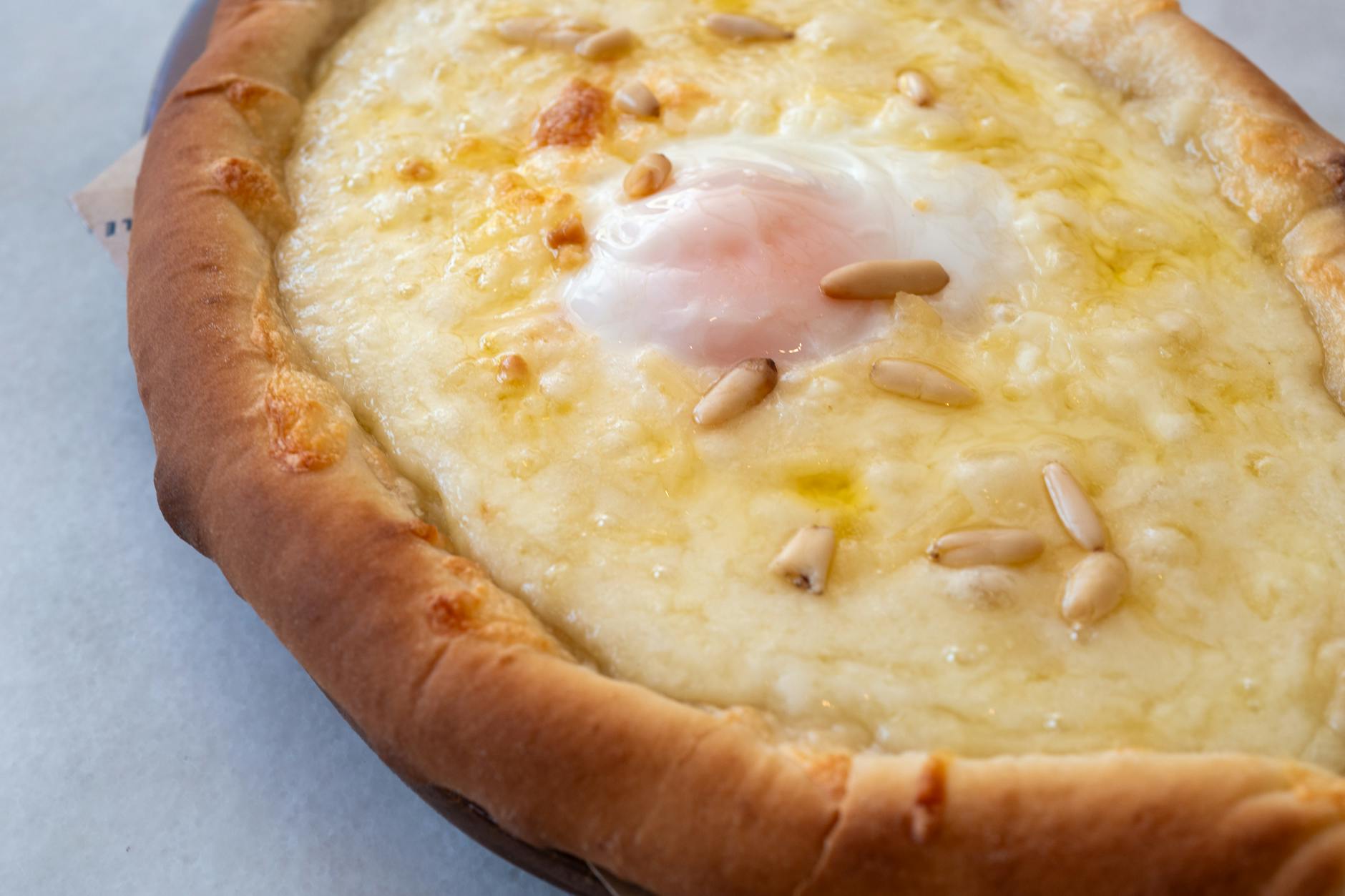
A significant limitation in Brighton Beach’s Georgian restaurants is ingredient consistency, particularly for cheese-based dishes. Authentic khachapuri requires specific Georgian cheeses—sulgun and imeruli—which remain difficult to source in the United States and often must be imported. Many restaurants substitute with domestic cheeses or sourced alternatives that alter the dish’s character, a tradeoff that affects flavor profiles even at the best establishments. Primorski and similar restaurants may rotate khachapuri availability based on their supplier’s stock, meaning the dish isn’t always available at the same quality level throughout the year.
The same sourcing challenge applies to spice blends and certain meat preparations. Georgian cuisine relies on specific pepper varieties and spice combinations that require either local cultivation or reliable import channels. Restaurants operating on tighter margins often source substitutes, which is one reason why dining at a Georgian restaurant in the Caucasus region itself produces noticeably different results than Brooklyn iterations, even at well-regarded establishments. Understanding this limitation prevents disappointment and clarifies why prices at top establishments are higher than casual dining alternatives.
Menu Navigation and Dish Selection
For first-time visitors, Georgian restaurant menus present both richness and complexity. Khinkali (meat dumplings) appear on most menus and represent a good entry point—they’re difficult to prepare poorly and showcase preparation skill. The traditional method of eating khinkali (by hand, biting a small hole and drinking the broth inside) also provides tactile engagement that enhances the dining experience. Primorski’s version uses a mixed meat filling that’s reasonably balanced, though some diners prefer the pork-heavier versions available at other locations.
Kebabs and grilled meat preparations (like pork lula kebab) also serve as reliable indicators of kitchen quality. The difference between properly spiced, well-executed kebab and mediocre versions is immediate and obvious, which makes them useful for evaluating restaurants. Georgian cuisine emphasizes meat and spices over cream-based sauces, so these preparations should taste distinctly seasoned rather than bland. Stews like pkhali (walnut-based vegetable dishes) or chakapuli (lamb stew) offer vegetable-focused options, though traditional Georgian stews are often richer than American expectations might suggest.
Price and Value Comparison Across Brighton Beach Options
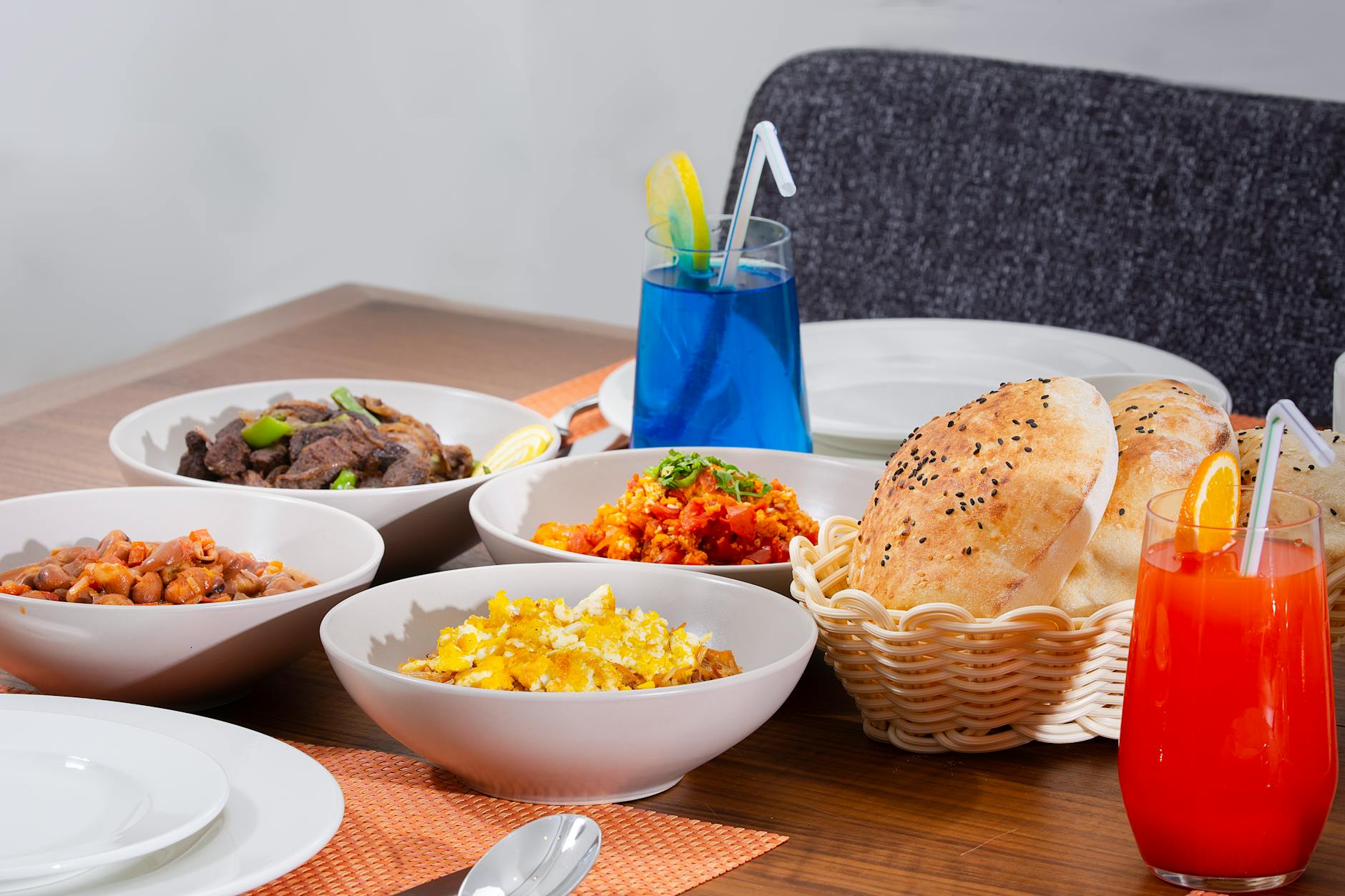
Georgian restaurants in Brighton Beach operate on a different pricing model than mainstream Brooklyn establishments. A full meal with bread, appetizer, entree, and beverage typically costs $25–$35 per person at mid-tier restaurants like Primorski, while upscale variants or larger portions at places like Tatiana push costs toward $40–$50. For comparison, similar-quality seafood restaurants in Brighton Beach operate at similar price points, but Georgian restaurants typically offer larger portion sizes, which creates better value per dollar when split family-style.
The tradeoff between casual Brighton Beach Georgian spots and upscale restaurants in other neighborhoods is significant. A Georgian restaurant in Manhattan’s East Village might charge $55–$70 for comparable dishes, banking on atmosphere and location prestige. Brighton Beach establishments compete partly on price, which means paying extra for Manhattan ambiance gains you less in absolute dining quality. For value-conscious diners, this makes Brighton Beach the strategic choice, though reservations during peak hours (weekends) can still be challenging at the best-regarded spots.
Service and Authenticity Experience Variations
One recurring challenge at Brighton Beach Georgian restaurants is consistency in service quality and English-language communication. Servers at Primorski and similar establishments are typically fluent in Russian and English, but their familiarity with Georgian cuisine can vary. New servers may struggle to explain unfamiliar dishes or make recommendations, which can affect how smoothly a first-time diner navigates the menu. This isn’t a warning against dining there, but rather a reminder that arriving with menu research or patience for explanation improves the experience.
The authenticity question also has practical implications. Some Brighton Beach restaurants cater primarily to Russian-American regulars, which means portion sizes, spice levels, and ingredient choices reflect those community preferences rather than traditional Georgian cooking. This can mean sweeter preparations or different protein selections than you’d encounter in Georgia itself. Understanding whether a restaurant prioritizes traditional authenticity or neighborhood preferences clarifies what to expect and prevents disappointment when a dish tastes different than its Georgian equivalent.

Specific Dish Recommendations and Timing Considerations
Khachapuri khizikuri (a specific style with cheese and an egg in the center) appears on most menus and represents peak Georgian cuisine—if a restaurant executes this well, confidence in their other offerings increases proportionally. Lula kebab (finely ground meat mixed with onions and spices, formed into elongated patties and grilled) is another reliable indicator because it requires precise spice balance and skilled handling. Pork khachapuri specifically reflects local preferences, as pork is more common in Georgian restaurants serving non-Muslim customers than in Georgia itself.
Timing matters for seasonal offerings. Winter months often bring heavier stews and braised preparations, while summer highlights grilled vegetables and lighter dishes. Late evening (after 9 PM) can be quieter at these restaurants, providing more attentive service and potentially fresher preparations compared to peak dinner rush times around 7–8 PM.
The Changing Landscape of Brighton Beach Dining
Brighton Beach’s restaurant scene has shifted notably over the past decade, with older establishments maintaining loyal customer bases while newer competitors emerge focused on younger demographics and updated atmospheres. This generational transition affects which restaurants represent “the best”—Primorski and Tatiana maintain reputations built over decades of consistent service, while newer Georgian restaurants may innovate or offer updated dining experiences that appeal to different priorities. The neighborhood’s continued large Georgian and Russian-speaking population suggests sustained demand, but whether that translates to long-term restaurant stability remains uncertain as Brooklyn’s demographics and development continue changing.
Future diners should expect that restaurant quality, menu offerings, and availability may shift, which argues for viewing current recommendations as reliable guides rather than permanent fixtures. The best approach involves treating visits to multiple Georgian restaurants as comparative research, rather than assuming one establishment provides definitive authenticity or quality. This practical mindset ensures you can adapt as the dining landscape evolves while appreciating what Brighton Beach’s Georgian restaurants offer in their current form.
Conclusion
The best Georgian restaurants in Brighton Beach deliver authentic cuisine at better prices than competing neighborhoods, with Primorski and Tatiana representing the most established and reliable options for diners seeking consistent quality and traditional preparations. Success at these restaurants depends partly on menu research, understanding ingredient sourcing limitations, and approaching the experience with realistic expectations about how American-based Georgian cooking differs from its origin.
Visiting multiple restaurants and exploring different dishes across visits provides the most complete picture of Brighton Beach’s Georgian dining landscape. The combination of authentic cuisine, reasonable pricing, and accessible location makes the neighborhood a worthwhile destination for those interested in Caucasian food traditions and willing to accept that American interpretations require some compromise compared to Georgian originals.
Frequently Asked Questions
Is khachapuri vegetarian?
Most khachapuri variations are vegetarian (cheese-based), though some restaurants prepare meat versions. Confirm with your server about specific preparations, as menu descriptions don’t always specify filling ingredients.
Can I make reservations at these restaurants?
Most Brighton Beach Georgian restaurants accept reservations, though capacity and policy vary. Weekends typically require advance booking, while weekday dining is often walk-in available.
What’s the difference between khinkali and khachapuri?
Khinkali are soup-filled dumplings served as individual portions, while khachapuri is larger bread with various fillings (cheese, meat, or combinations). Both are staples but serve different purposes in the meal.
Are these restaurants good for groups?
Yes—Georgian cuisine emphasizes family-style service and shared plates, which works well for groups of 4+ diners. This serving style also improves value per person compared to individual entrees.
Do these restaurants cater for events?
Some Brighton Beach Georgian restaurants offer catering services. Contact restaurants directly about availability, minimum orders, and customization options, as policies vary significantly.