
President Trump’s decision to postpone planned military strikes on Iranian power plants following late-night diplomatic talks represents a significant de-escalation that immediately reduces geopolitical risk and volatility in financial markets. The delay, negotiated through back-channel communications, removes one of the most dangerous near-term catalysts for oil price spikes and equity market sell-offs that analysts had been monitoring heading into this week.
For investors, this development creates a window of reduced uncertainty where market positioning can shift from defensive to more growth-oriented, though the underlying tensions remain unresolved and could reignite at any moment. The significance of this pause extends beyond the immediate headlines to several downstream effects for portfolios: energy prices should stabilize, risk-on sentiment may return to equities, and the dollar’s safe-haven demand could ease. This article examines what triggered the military consideration in the first place, how diplomatic channels reversed course, the specific market implications across asset classes, and what investors should monitor to protect themselves if tensions escalate again.
Table of Contents
- What Prompted the Military Strike Consideration in the First Place?
- Why Late-Night Diplomatic Talks Changed the Calculus
- How Oil Markets and Energy Stocks Respond to Delayed Military Action
- What Investors Should Do With Defensive Positioning and Risk Assets
- What Could Cause Talks to Break Down and Strikes to Resume?
- How Global Risk Appetite and Market Correlations Shift With Reduced Military Threat
- What Investors Should Watch Going Forward
- Conclusion
What Prompted the Military Strike Consideration in the First Place?
The contemplated strikes on Iranian power plants emerged from escalating tensions over Iran’s nuclear program and alleged support for proxy groups operating in the Middle East and beyond. U.S. intelligence assessments indicated that Iran had taken steps that crossed previously established red lines, prompting the Trump administration to prepare military options as a demonstration of resolve.
The decision to move toward military action wasn’t impulsive; it followed months of intelligence gathering and strategic planning, making the late-night reversal particularly noteworthy to observers who track administration decision-making patterns. However, striking Iranian infrastructure—especially power plants that affect civilian populations—carries severe diplomatic and economic consequences that likely factored into the eventual pause. Any military action would have instantly pushed oil prices higher, triggered emergency UN meetings, and potentially prompted retaliatory actions from Iran or its proxies in the Persian Gulf, Iraq, or Eastern Mediterranean. The administration’s willingness to step back suggests internal debate about whether the strategic benefit of a show of force outweighed the economic and reputational costs.

Why Late-Night Diplomatic Talks Changed the Calculus
The described late-night negotiations involved senior administration officials, Middle Eastern allies (likely Saudi Arabia and Gulf Cooperation Council members), and intermediaries with direct channels to Tehran. These conversations apparently uncovered either new concessions from Iran regarding its nuclear activities or reassurances about escalation that made military strikes seem unnecessary—at least for the moment. Diplomacy in this region often happens through third parties and at irregular hours to avoid public posturing that could trap either side.
However, if this pattern follows historical precedent with Iran, temporary diplomatic breakthroughs frequently unravel when implementation details emerge. The talks may have achieved a pause rather than a resolution, meaning the geopolitical sword could fall again within weeks or months if compliance verification becomes disputed. Investors should not treat this delay as a permanent deescalation; rather, it’s a temporary reprieve that extends a probationary period. Market participants who had begun hedging against a strike scenario by buying defensive sectors or adding to cash positions now face a decision about whether to rebalance back into risk assets or maintain their hedges.
How Oil Markets and Energy Stocks Respond to Delayed Military Action
Oil prices typically spike 3–5% on news of direct military threats to Middle Eastern infrastructure, with potential for sharper moves if refineries or chokepoints like the Strait of Hormuz are targeted. The announcement of a strike delay should produce the opposite effect: downward pressure on crude futures, particularly for Brent crude which is priced on Middle Eastern supply. West Texas Intermediate (WTI) crude had been trading with elevated volatility throughout the buildup, and the announcement likely triggered profit-taking among traders who had built long positions ahead of expected military action.
Energy stocks—especially integrated oil majors like ExxonMobil and Chevron, and exploration companies with Middle Eastern exposure—often underperform during geopolitical risk spikes because investors worry about supply disruptions outweighing demand. With reduced military risk, these stocks may stabilize or see inflows from investors who had rotated away. However, the energy sector remains sensitive to recession concerns, interest rate expectations, and demand destruction from higher prices, so the strike delay alone won’t necessarily lift sector performance.

What Investors Should Do With Defensive Positioning and Risk Assets
If you had moved portfolio weight toward traditional safe havens—Treasury bonds, gold, and defensive consumer staples—in anticipation of military action, the strike delay creates an opportunity to reassess positioning without panic. The unwinding of defensive hedges creates upward pressure on equities and downward pressure on bonds, a dynamic that has historically benefited growth stocks, technology, and cyclical sectors that had sold off as risk-off sentiment took hold. The timing of rebalancing matters significantly; moving too quickly leaves you vulnerable if talks collapse again, while waiting too long means missing gains as market sentiment improves.
A comparison: investors who waited for final confirmation of a strike cancellation benefited most, versus those who started rotating back as soon as the first news of negotiations broke. This suggests a measured approach—perhaps scaling back hedges gradually rather than exiting all at once—is preferable to both binary “all-in” or “all-out” approaches. The tradeoff is that gradual rotation leaves some money on the table if sentiment shifts sharply, but it also prevents you from being caught wrong-footed if the situation reverses.
What Could Cause Talks to Break Down and Strikes to Resume?
Geopolitical negotiations involving the United States and Iran have a poor track record of durability; the Joint Comprehensive Plan of Action (JCPOA) itself was abandoned by the Trump administration in 2018, serving as a cautionary tale for the resilience of diplomatic agreements. If Iranian officials announce continued uranium enrichment, evidence emerges of new proxy attacks, or inspectors encounter obstruction at nuclear facilities, the administration could quickly return to military posturing. The warning sign to watch: statements from Iranian leaders that dismiss the talks as meaningless or unilateral declarations about resuming prohibited nuclear activity.
Additionally, if other regional actors—Saudi Arabia, Israel, or smaller Gulf states—feel the talks are too lenient on Iran, they may apply pressure on the Trump administration to resume military planning. This creates a dynamic where de-escalation achieved through late-night talks could face immediate pressure from stakeholders who view it as insufficient. Investors should monitor not only U.S.-Iran rhetoric but also official statements from Israel and Saudi Arabia for clues about whether regional allies view the pause as acceptable or premature.
How Global Risk Appetite and Market Correlations Shift With Reduced Military Threat
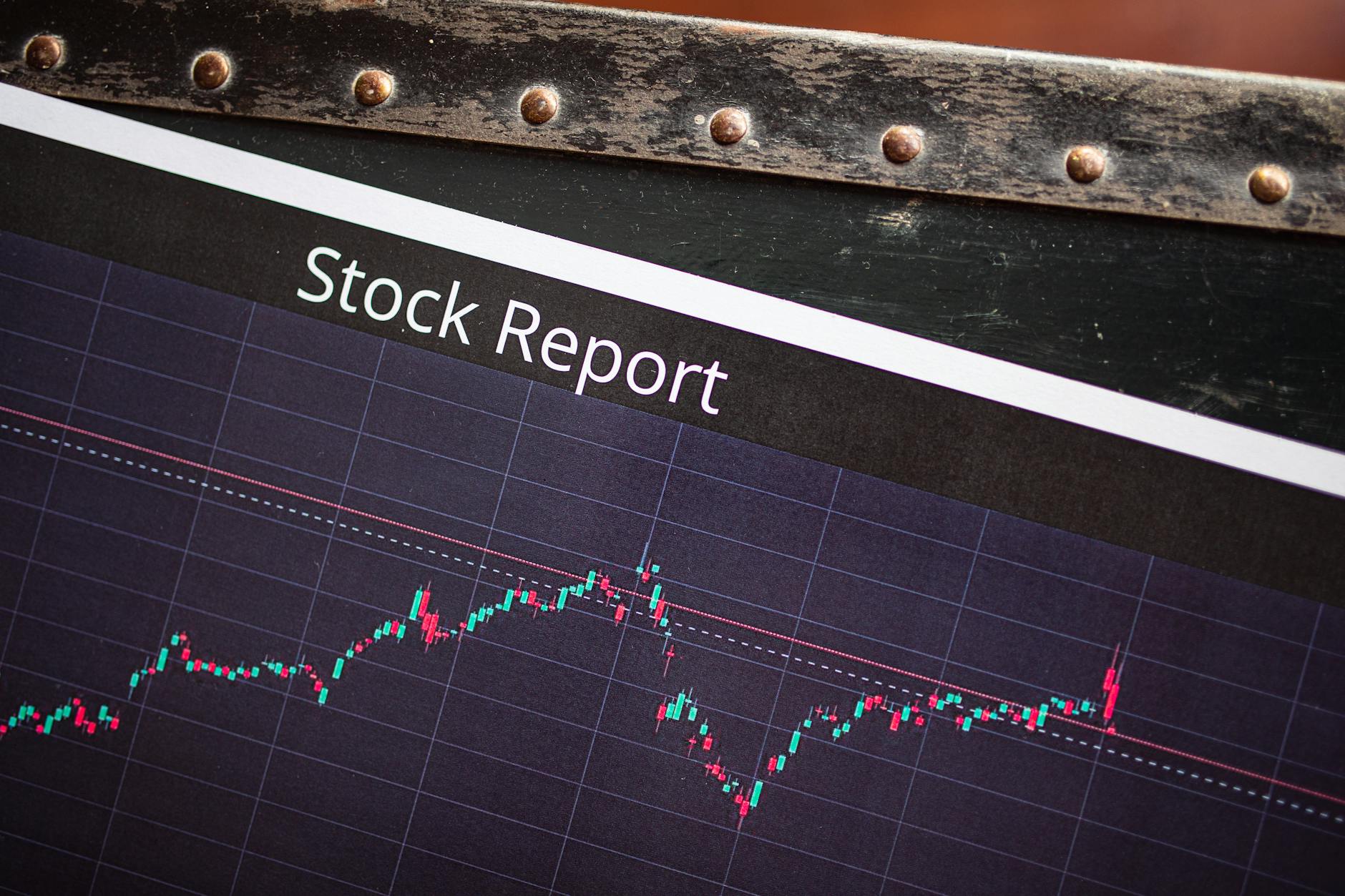
When military action against Iran seemed imminent, investors observed a classic risk-off market dynamic: equities fell in concert, bonds rallied, the U.S. dollar strengthened as a safe haven, and gold prices spiked. As that threat recedes, the usual factors driving market performance reassert themselves—earnings expectations, interest rates, macroeconomic data, and sector rotation.
Emerging market currencies and equities, which had been hit hardest during the peak of geopolitical fear, often recover first as risk appetite returns. A concrete example: during previous periods of Iranian military tension (such as the January 2020 strike on U.S. bases), equity markets initially sold off 2–3% but recovered fully within days once the immediate threat passed and damage assessment showed limited escalation. If this situation follows a similar arc, investors who panic-sold during the strike threat would regret the decision, while those who held or bought dips would benefit most.
What Investors Should Watch Going Forward
The credibility and longevity of any agreement hinges on verifiable compliance mechanisms and regular diplomatic follow-ups, yet neither is guaranteed to occur smoothly with Iran. The Trump administration’s stated intention to renegotiate the Iran deal indicates a skepticism of long-term commitments, suggesting even a successful near-term de-escalation may not hold past the next administration.
Forward-looking investors should set alerts for nuclear inspections, proxy activity in Iraq or Syria, and any statements from the White House about returning to military options. Monitor oil price movements closely as a real-time indicator of geopolitical risk: any sudden spike back above prior resistance levels could signal renewed military planning or a breakdown in talks. Equity market breadth and sector rotation—particularly whether defensive stocks continue to outperform or growth stocks rebound—will also signal whether the market truly believes the threat has been neutralized or remains concerned.
Conclusion
Trump’s decision to delay strikes on Iranian power plants after late-night diplomatic talks removes a dangerous near-term market catalyst and should reduce volatility across equities, bonds, and commodities. However, this is a pause rather than a permanent resolution; the underlying tensions remain, and there is substantial risk of renewed military posturing if talks stall or evidence emerges of Iranian non-compliance with the terms discussed.
For investors, the immediate implication is that defensive positioning can gradually be unwound in favor of risk assets, though a fully committed pivot should wait for additional confirmation that de-escalation will hold. The practical next step is to rebalance your portfolio gradually rather than all at once, taking profits on defensive hedges that performed well during the military threat period while rotating capital into growth and cyclical sectors that underperformed during risk-off sentiment. Keep close watch on oil prices, proxy activity reports, and official statements from both the Trump administration and regional allies—these will be your early warning signals if the situation reverses course.