
Passengers boarding Frontier Airlines flights face an unexpected choice: when purchasing snacks or beverages from in-flight payment tablets, they encounter tipping prompts asking for 15%, 20%, or 25% gratuities for flight attendants. This seemingly straightforward request has sparked genuine confusion and resentment among travelers, who find themselves uncertain about whether tipping is expected, appropriate, or simply another creeping expansion of gratuity culture into unexpected places. The confusion reflects a broader tension in the aviation industry: as airlines experiment with new revenue streams and compensation models, passengers are pushing back against what feels like obligatory financial pressure in a captive environment where refusal feels socially awkward.
The airline industry stands at a crossroads on this issue. Frontier Airlines introduced tipping prompts on in-flight tablets in 2019, allowing tips to go directly to individual flight attendants—a move that other major carriers like American Airlines, Delta Air Lines, and United Airlines have explicitly rejected by prohibiting crew from accepting tips. This fragmented approach has created confusion about what’s normal, what’s expected, and what’s appropriate across different airlines. Understanding this emerging tension matters to investors tracking consumer sentiment, labor cost structures, and brand loyalty in an industry where profit margins remain razor-thin.
Table of Contents
- Why Are Passengers Confused About Airline Tipping Prompts?
- The Union Opposition and Safety Argument
- How Major Carriers Compare and Compete
- Passenger Backlash and the In-Flight Pressure Dynamic
- Airport Tipping Expansion and the Broader Trend
- Consumer Sentiment on Tipping Culture Broadly
- Industry Outlook and Business Model Implications
- Conclusion
Why Are Passengers Confused About Airline Tipping Prompts?
The core confusion stems from a fundamental mismatch between expectation and reality. For decades, airline flight attendants have been salaried employees covered by collective bargaining agreements, making them structurally different from restaurant servers or rideshare drivers where tipping supplements base wages.
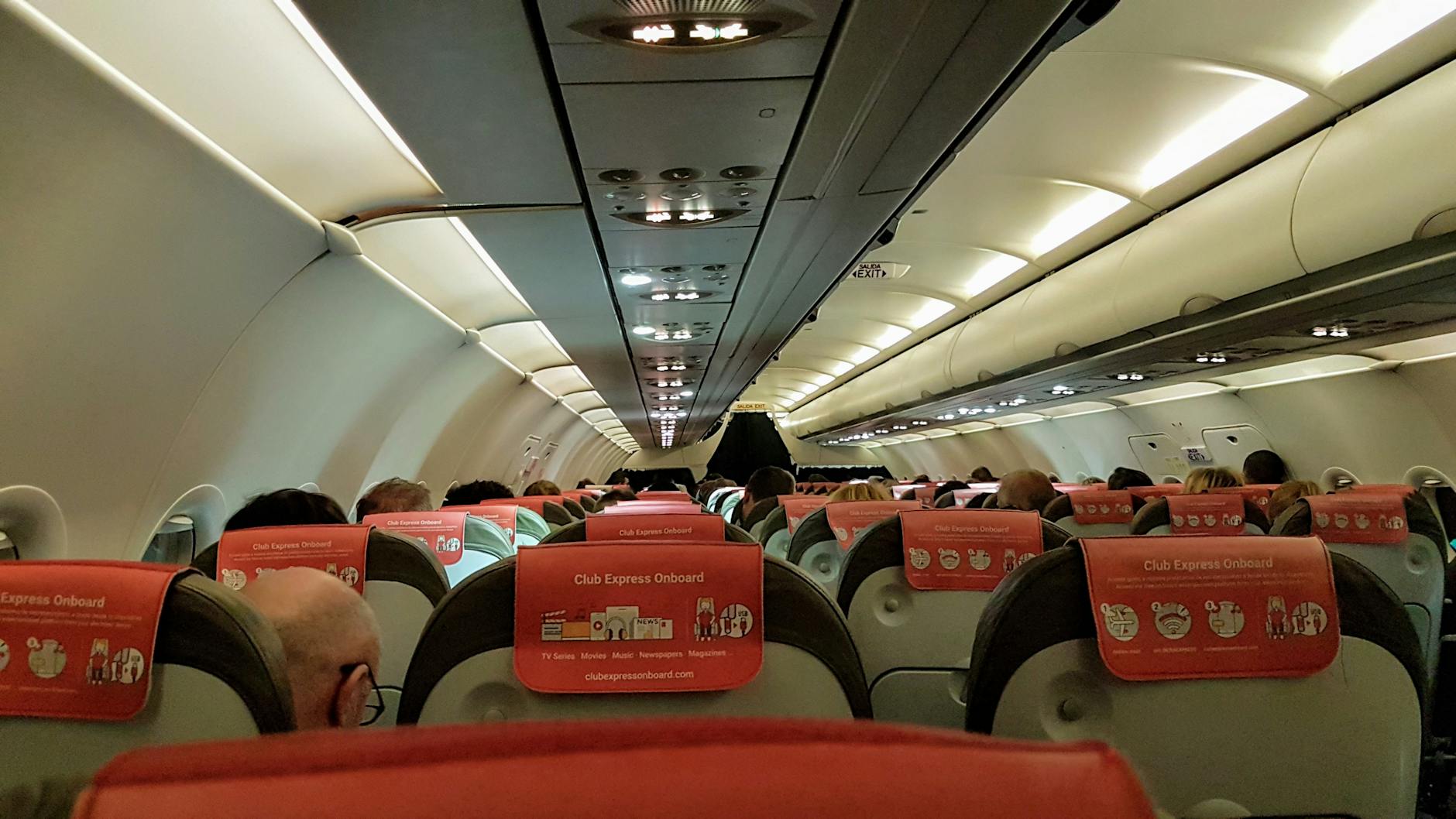
When Frontier introduced its tipping system, it essentially reframed flight attendants as service workers who could benefit from gratuities—but this reframing didn’t apply industry-wide, leaving passengers uncertain about what’s appropriate on their next flight. A passenger boarding a Frontier flight for a quick snack purchase might reasonably wonder: Is tipping mandatory or truly optional? Will the flight attendant remember me if I decline? Is the airline trying to offset lower wages? These questions become more acute because passengers know they’ll see that flight attendant again for the remainder of the flight, creating social pressure that doesn’t exist at a restaurant where you pay and leave. Passengers report that the presence of the flight attendant during payment—either directly or in the immediate vicinity—transforms what should be an optional choice into something that feels coercive.
The Union Opposition and Safety Argument
The Association of Flight Attendants-CWA has been explicit in opposing tipping systems in airline cabins, framing the issue around safety rather than just wages. Union president Sara Nelson stated plainly: flight attendants are “certified for our safety, health, and security work,” and therefore “safety is not variable, therefore base compensation for a safety job cannot be variable.” This argument carries weight because it redefines tipping as a compensation model rather than a service gratification issue. The union’s position reflects a concern with real implications: if airlines can effectively reduce fixed labor costs by shifting compensation to voluntary tips, they may have less financial incentive to maintain competitive base wages or staffing levels.
For investors, this matters because it reveals where labor pressure points exist. The airline industry’s historical resistance to strong wage growth becomes understandable in this context—if carriers can introduce tip-based revenue streams, the labor cost structure becomes less predictable, and worker compensation depends partly on passenger generosity rather than company commitment. However, for passengers, the practical concern is simpler: uncertainty about whether declining to tip might affect the service or demeanor of crew members throughout the flight, even if that concern isn’t rational.
How Major Carriers Compare and Compete
American Airlines, Delta Air Lines, and United Airlines have all established clear policies prohibiting flight crews from accepting tips, creating a meaningful competitive point on service culture and brand positioning. These policies send a message to customers: our flight attendants are salaried professionals, not service workers seeking gratuities. This distinction matters because it affects customer perception of the airline’s values and operational model. The comparison also reveals how tipping norms vary by company culture and business model.
Frontier, as a lower-cost carrier, may view tipping as a way to supplement crew compensation without raising base wages—a strategy consistent with its value positioning. Meanwhile, carriers like Delta market themselves as premium experiences where service is included in the ticket price, making tipping irrelevant. For investors evaluating airline stocks, this divergence suggests different approaches to labor cost management and brand positioning. The risk for Frontier is that a tipping system, intended to reduce labor costs, could instead damage brand perception and loyalty among price-conscious passengers who already feel financially squeezed and resent unexpected requests for additional payments.
Passenger Backlash and the In-Flight Pressure Dynamic
Real passengers have described the experience of tipping prompts as creating unwanted pressure in a confined space. Unlike a retail transaction where you can simply walk away, airline passengers are trapped in a cabin for hours with the person who just asked for a tip—or from whom they just declined to tip. This dynamic creates social friction that passengers wouldn’t experience elsewhere, and it amplifies the sense that the prompt is coercive rather than optional. Consider a practical scenario: a passenger on a three-hour Frontier flight purchases a coffee and water for $12.
The tablet displays three tipping options (roughly $1.80, $2.40, or $3). The passenger can select “no tip,” but the choice is visible, potentially to the flight attendant. The passenger might worry about whether declining to tip could affect the tone of future interactions. This concern might be unfounded, but it exists—and that psychological burden represents a real cost to the customer experience, even if the actual financial cost is small. For investors watching airline customer satisfaction scores and loyalty metrics, this type of friction matters because it affects brand perception and repeat customer decisions.
Airport Tipping Expansion and the Broader Trend
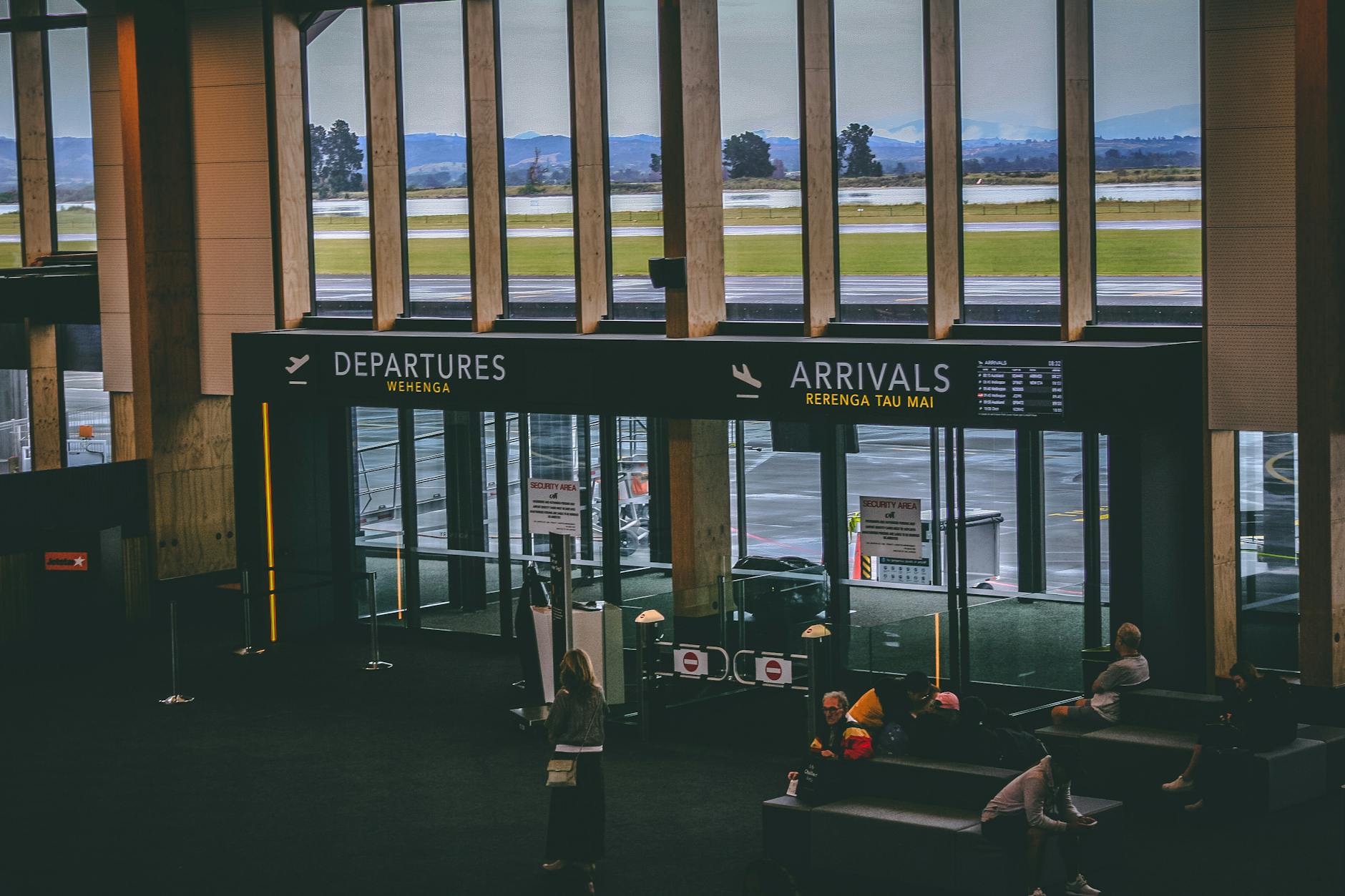
The confusion over tipping isn’t limited to cabin service. Self-service kiosks at airports are now displaying tipping prompts as well, extending the friction beyond traditional airport workers to automated payment systems. This expansion signals how tipping culture is seeping into unexpected domains—not because of strong customer demand, but because payment technology makes it frictionless for businesses to ask.
The airport tipping expansion is relevant to investors because it shows how quickly norms can shift once the infrastructure exists. Consumers who previously expected no tipping at an airport now encounter prompts, and they face the same decision calculus: decline and feel cheap, or tip and accept that service-sector pricing has changed. This broader trend suggests that tipping culture will continue expanding unless consumers actively resist it, which brings us to the consumer sentiment data showing significant frustration with tipping growth overall.
Consumer Sentiment on Tipping Culture Broadly
Approximately one-third of Americans believe tipping culture has gotten out of control, according to available data. This sentiment reflects genuine frustration about where tipping is being asked, not just how much is expected. The expansion of tipping from traditional service sectors (restaurants, taxis, hotels) into unexpected areas (retail counters, automated kiosks, airline cabins) has created decision fatigue and resentment.
This consumer sentiment matters to airlines and investors because it suggests limited upside for tip-based revenue models. Unlike restaurants where tipping is historically normalized and customers expect the option, airlines are introducing tipping into an industry where it didn’t exist. Early adopters like Frontier may face brand risk if passengers perceive tipping as a symbol of the airline nickel-and-diming them. The financial upside (additional revenue from tips) must be weighed against the brand risk (damaged loyalty and negative word-of-mouth), and available evidence suggests passenger backlash is real enough that the balance is uncertain.
Industry Outlook and Business Model Implications
The airline industry is in a constant search for new revenue streams, from seat selection fees to baggage charges to ancillary purchases. Tipping represents a different model: monetizing service interactions that were previously non-transactional. However, the passenger backlash and union opposition suggest tipping may face more resistance than traditional ancillary fees. Going forward, watch for whether other carriers adopt Frontier’s tipping model or whether the resistance holds.
The outcome will depend partly on labor negotiations—unions have leverage to resist tipping as a compensation model—and partly on consumer behavior. If tip adoption remains low and drives negative customer sentiment, carriers will likely retreat from the strategy. If tips become normalized and generate meaningful revenue, other carriers may follow. For investors, the key signal is whether tipping increases labor productivity or merely shifts compensation from fixed to variable, and whether brand damage from passenger confusion outweighs financial gains.
Conclusion
Passenger confusion over tipping prompts reflects a genuine industry tension between new revenue models and customer expectations about what interactions should involve gratuities. Frontier Airlines’ decision to introduce tipping on in-flight tablets in 2019 was strategically logical as a cost-management tool, but it created friction in a confined environment where passengers feel obligated by social pressure and union opposition highlights that the compensation model may conflict with safety-focused labor agreements.
The expansion of tipping to airport kiosks and the broader consumer sentiment showing frustration with tipping culture’s growth suggest that this revenue model faces real headwinds. For investors, the takeaway is that not all revenue innovations create shareholder value if they damage brand perception and customer loyalty. Airlines experimenting with tipping should monitor both adoption rates and brand metrics carefully, because the confusion passengers feel today could translate into market share loss tomorrow if customers switch to carriers with clearer, simpler service models.