
A viral social media post highlighting the frustration of being prompted to tip at an airport self-checkout station received over 108,000 interactions and 4,700 comments, signaling a growing backlash against an increasingly common trend. Airports and retailers nationwide are installing self-checkout kiosks that prompt travelers to add gratuities for unattended terminal purchases—a practice many customers find jarring and excessive. Rather than simplifying the airport retail experience, these tipping prompts are creating friction at the moment of transaction, leaving travelers feeling emotionally pressured during what’s already a stressful travel day. This article examines why airports are adopting this technology, what’s driving customer frustration, and how broader airport headaches are compounding the problem.
Table of Contents
- Why Are Airports Adding Tipping Prompts to Self-Checkout Kiosks?
- The Broader Context of Airport Frustration
- The Economics of Airport Retail and Why Tipping Prompts Are Expanding
- Customer Resistance and Behavioral Shifts
- How TSA Delays Are Amplifying Airport Frustration
- What This Means for Airport Retail Strategy
- The Evolving Future of Airport Checkout Technology
- Conclusion
Why Are Airports Adding Tipping Prompts to Self-Checkout Kiosks?
self-checkout stations at airports have become commonplace, designed to streamline transactions and reduce labor costs for concessionaires. The addition of tipping prompts reflects broader retail industry trends to increase gratuity revenue—a strategy that works at full-service establishments but feels misaligned when applied to self-service machines where the customer is doing the work. Many customers report feeling manipulated by the prompts, describing the experience as “emotional blackmail” rather than a voluntary gesture of appreciation.
The result is a mismatch between customer expectations (self-checkout means minimal human interaction and no tipping obligation) and what the technology actually demands. Unlike restaurant servers or coffee shop baristas who provide direct service, self-checkout kiosks offer no such interaction. This makes the tipping request feel particularly inappropriate to travelers already dealing with crowded terminals, security lines, and expensive airport prices. The practice puts both customers and airport retailers in an awkward position: customers feel guilted into paying extra, while businesses face backlash for implementing these prompts in the first place.
The Broader Context of Airport Frustration
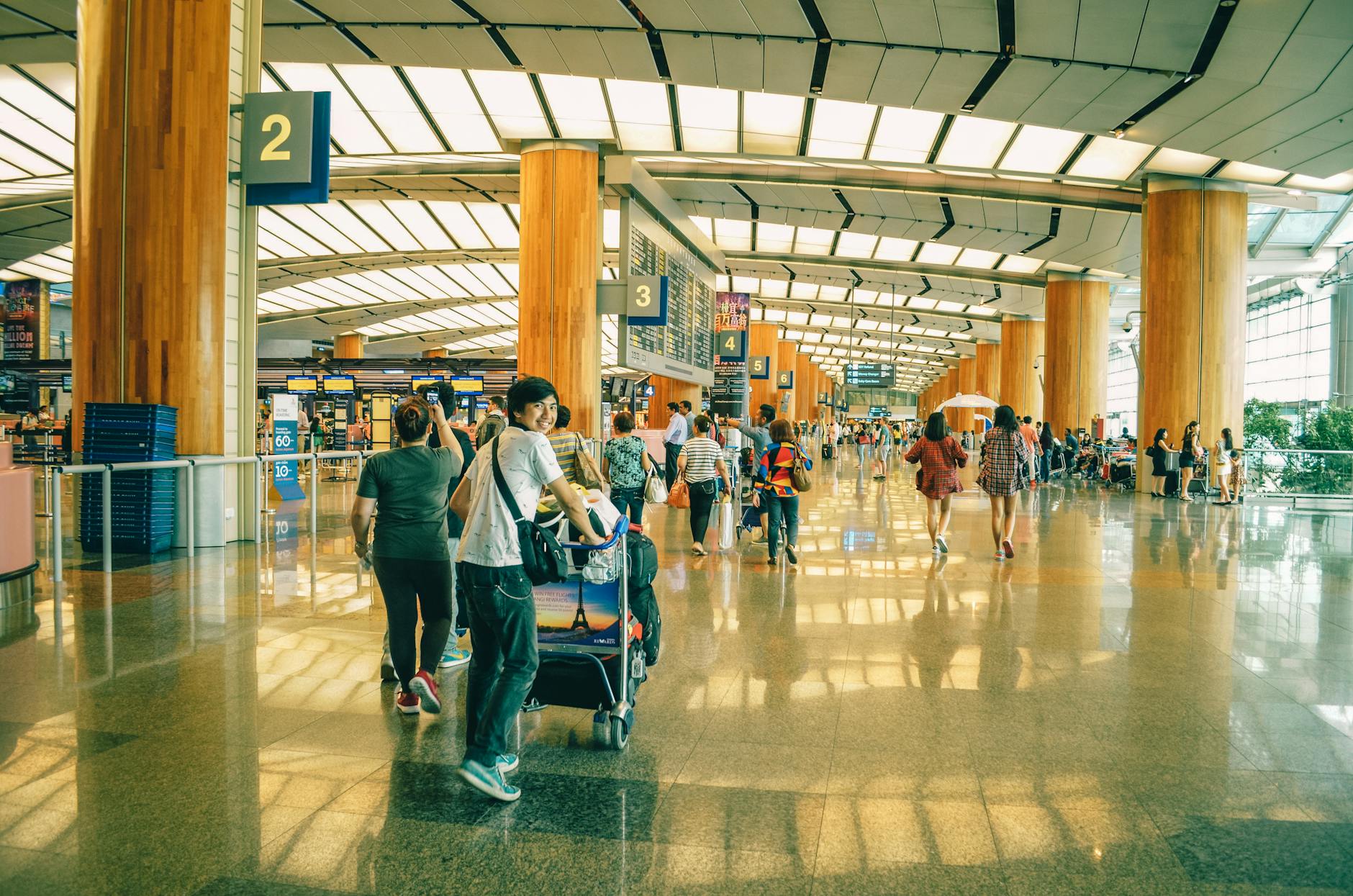
The self-checkout tipping issue doesn’t exist in a vacuum—it’s one frustration among many that travelers face at modern airports. Recent surveys show that 17% of passengers cite congestion and long wait times at airports as a major concern, reflecting a widespread sentiment that the airport experience has deteriorated. This frustration is driving behavioral changes: a 2025 LugLess survey revealed that 71% of travelers now avoid checking bags as a growing rebellion against the airport experience, opting instead for carry-ons despite the added hassle. This shift represents a significant change in travel patterns and reflects how much the cumulative airport experience has soured for the average passenger.
Americans are still flying, but they’re experiencing more delays, stress, and lost baggage than in previous years. When customers are already irritated by these systemic issues, an unexpected tipping prompt at a self-checkout station can feel like the final straw. The airports and retailers adding these prompts may not fully appreciate how they’re contributing to an already negative perception of the airport retail environment. For passengers, every additional friction point—whether it’s a long TSA line, an oversized carry-on charge, or a guilt-inducing tip screen—adds to the overall sense that airports are designed to extract money from customers at every opportunity.
The Economics of Airport Retail and Why Tipping Prompts Are Expanding
From a business perspective, airports are facing margin pressures in their retail operations. Concessionaires pay high rents for terminal space and operate with thin profit margins on individual transactions. Implementing self-checkout reduces staffing costs, but the tipping prompt function offers an additional revenue recovery mechanism that can noticeably impact the bottom line. When tipping rates increase even marginally across thousands of daily transactions, the financial impact becomes significant. This explains why the practice is spreading despite clear customer resistance.
However, there’s a risk-reward calculation that many airports may be underestimating. Customer dissatisfaction with tipping prompts could drive more travelers to skip airport retail altogether, or to choose mobile ordering options that bypass the checkout experience entirely. Some passengers may start purchasing items before arriving at the airport or carry more snacks and drinks in their bags. The long-term brand damage from being perceived as overly aggressive in monetization could outweigh the short-term tipping revenue gains. Airports operating as quasi-monopolies may feel comfortable ignoring customer feedback, but shifting consumer preferences—particularly the broader trend of avoiding airport purchases—could eventually pressure these businesses to reconsider their strategy.
Customer Resistance and Behavioral Shifts
The viral social media post about airport self-checkout tipping reflects a broader customer resistance to tipping culture expansion. Many people draw a clear distinction between tipping for service and being asked to tip at unattended machines—a line they’re unwilling to blur. This sentiment is particularly strong among budget-conscious travelers and younger passengers who view the practice as exploitative. The 4,700 comments on the viral post suggest this isn’t a niche complaint but rather a widespread point of frustration that resonates across diverse travel demographics.
This customer backlash is part of a larger behavioral shift visible in travel patterns. The 71% of travelers avoiding checked bags represents a fundamental change in how people engage with airport services. When customers feel nickeled-and-dimed at every step—baggage fees, premium security lanes, parking charges, and now unsolicited tipping prompts—they change their behavior to minimize their interactions with airport systems. Some purchase larger carry-ons to avoid checking fees, while others buy items before arriving at the terminal to skip airport retail entirely. These workarounds suggest customers are developing strategies to reduce their financial exposure to the airport experience.
How TSA Delays Are Amplifying Airport Frustration
The frustration with airport checkout tipping is occurring against a backdrop of significant TSA staffing challenges that have worsened the overall airport experience. As of March 2026, at least 400 TSA officers have quit, with absenteeism as high as 40% at some airports—a staffing crisis that’s creating cascading delays throughout the terminal. Hartsfield-Jackson Atlanta International Airport recorded TSA wait times exceeding 2.5 hours, while LaGuardia, Houston IAH, and JFK all reported security checkpoint waits over 40 minutes. These delays mean passengers are already stressed, delayed, and frustrated before they ever reach the retail areas where self-checkout prompts await them.
When customers are already angry about missing flights or experiencing hours of security delays, the addition of a tipping prompt at a self-checkout kiosk compounds their negative emotional state. The timing couldn’t be worse from a customer satisfaction perspective. A traveler facing a 90-minute TSA wait followed by a rushed purchase at a self-checkout kiosk that demands a tip is likely to feel that the entire system is extracting value from them. The combination of security delays, retail markups, and tipping prompts creates a perception that airports exist primarily to profit off stressed travelers rather than to serve them efficiently.
What This Means for Airport Retail Strategy
The growing backlash against airport checkout tipping reflects a broader reckoning in the airport retail sector about how far they can push customer monetization before damaging the travel experience. Airport operators are learning that while passengers don’t have options in some areas (security, parking), they do have options regarding retail purchases. The 71% of travelers avoiding checked baggage and the viral opposition to tipping prompts show that customers will modify their behavior to resist what they perceive as unfair extraction of value.
Some airports and concessionaires may eventually realize that a better strategy is to build customer loyalty through value rather than to optimize revenue extraction. Removing tipping prompts from self-checkout, offering competitive pricing on common items, or implementing genuinely convenient ordering systems could create a more positive retail experience. However, this would require airports to view retail operations differently—as a way to enhance the travel experience rather than as a profit center to maximize revenue from a captive audience.
The Evolving Future of Airport Checkout Technology
The conflict over self-checkout tipping prompts is likely just the beginning of a broader evolution in how airports design their retail and checkout experiences. As technology advances and customer preferences become increasingly clear, we may see airports and retailers moving toward different models—perhaps mobile ordering with no checkout interaction at all, or loyalty programs that reward frequent travelers with perks rather than surprise charges. The current self-checkout-with-tipping model appears to be a transitional approach that satisfies neither customer preferences nor business optimization goals.
Looking forward, airports that prioritize customer experience alongside profitability may gain competitive advantages in attracting retail spending and positive brand perception. Those that double down on extractive approaches—pushing tipping prompts, aggressive pricing, and nickel-and-diming travelers—will likely find customers increasingly resistant and willing to change their behavior. The market may ultimately resolve this tension in ways that are currently difficult to predict, but the viral opposition to airport checkout tipping suggests that at least some portion of travelers have reached their limit with current practices.
Conclusion
The trending frustration with tipping prompts at airport self-checkout kiosks represents more than just annoyance with one retail practice. It reflects a cumulative fatigue with the modern airport experience, where travelers feel increasingly burdened by fees, delays, and pressure to spend more money at every turn. When combined with TSA staffing shortages creating hours-long security delays, the 71% of passengers avoiding checked baggage, and widespread complaints about airport congestion, the self-checkout tipping trend becomes a symbol of broader dysfunction in how airports serve travelers.
For investors and business observers, this trend signals that airport retail operators may be reaching the limits of revenue extraction from a captive audience. Customer behavior changes—avoiding checked bags, bypassing airport retail, resisting tipping prompts—suggest that the market has thresholds for how much friction and cost the traveling public will tolerate. How airports and concessionaires respond to this growing backlash will determine whether the airport experience improves or continues to deteriorate in the years ahead.