
In March 2026, massive elephants walked through roads and across borders with remarkable calm, not out of indifference, but out of necessity. A diesel shortage in Thailand’s Ayutthaya province forced an elephant camp to relocate 15 elephants on foot over approximately 5 kilometers to the Ayutthaya Elephant Palace and Royal Kraal—a journey that captured global attention and raised questions about how resource scarcity impacts wildlife management and tourism-dependent economies. Meanwhile, viral videos showed full elephant herds, including calves and a matriarch, crossing roadways together, with observers noting the older matriarch paused to turn toward onlookers in what many interpreted as a gesture of acknowledgment.
These incidents reveal something investors and analysts often overlook: wildlife movements often signal broader economic pressures, from energy supply disruptions to the fragility of industries dependent on animal tourism and environmental stability. For readers of financial markets, these elephant walks matter because they’re symptoms of systemic stress—energy shortages, climate pressure on ecosystems, and the economic vulnerability of regions dependent on wildlife tourism. This article explores what these recent elephant incidents reveal about economic conditions, environmental risks, and the growing importance of animal welfare and ESG (Environmental, Social, and Governance) considerations in investment decisions.
Table of Contents
- Why Are Elephants Walking Roads During Energy Crises?
- Elephant Tourism and Economic Vulnerability in Developing Markets
- Herd Behavior and What Elephant Crossings Reveal About Ecosystem Health
- Animal Welfare as an ESG Investment Consideration
- Supply Chain Fragility and Resource Constraints in Emerging Markets
- The Economic Impact of Human-Wildlife Conflict
- Future Outlook—Wildlife, Infrastructure, and Investment
- Conclusion
Why Are Elephants Walking Roads During Energy Crises?
The March 18, 2026 relocation in Ayutthaya wasn’t a casual parade—it was a forced migration driven by a diesel shortage that left an elephant camp without fuel for vehicles and equipment. When transportation infrastructure fails, wildlife operations revert to the oldest method available: foot travel. This specific incident exposed a critical vulnerability in emerging-market supply chains. Thailand’s tourism and animal conservation sectors depend on reliable fuel supplies for vehicles, generators, and logistics. When diesel availability contracts, operations that seem stable suddenly become logistically impossible, and alternatives that appear outdated become necessary.
The 5-kilometer journey to Ayutthaya Elephant Palace represented not progress but problem-solving under constraint. For investors, this illustrates how energy supply disruptions cascade through seemingly unrelated industries. Tourism operators in Thailand, Cambodia, and across Southeast Asia depend on fuel supplies for vehicle transport, elephant feeding logistics, and facility operations. A regional diesel shortage doesn’t just affect transportation companies—it ripples through hospitality, conservation, and animal-related businesses. Companies dependent on fuel availability in developing economies face hidden supply-chain risks that traditional financial analysis often misses. The elephant relocation was visible proof that these risks are not theoretical.
Elephant Tourism and Economic Vulnerability in Developing Markets
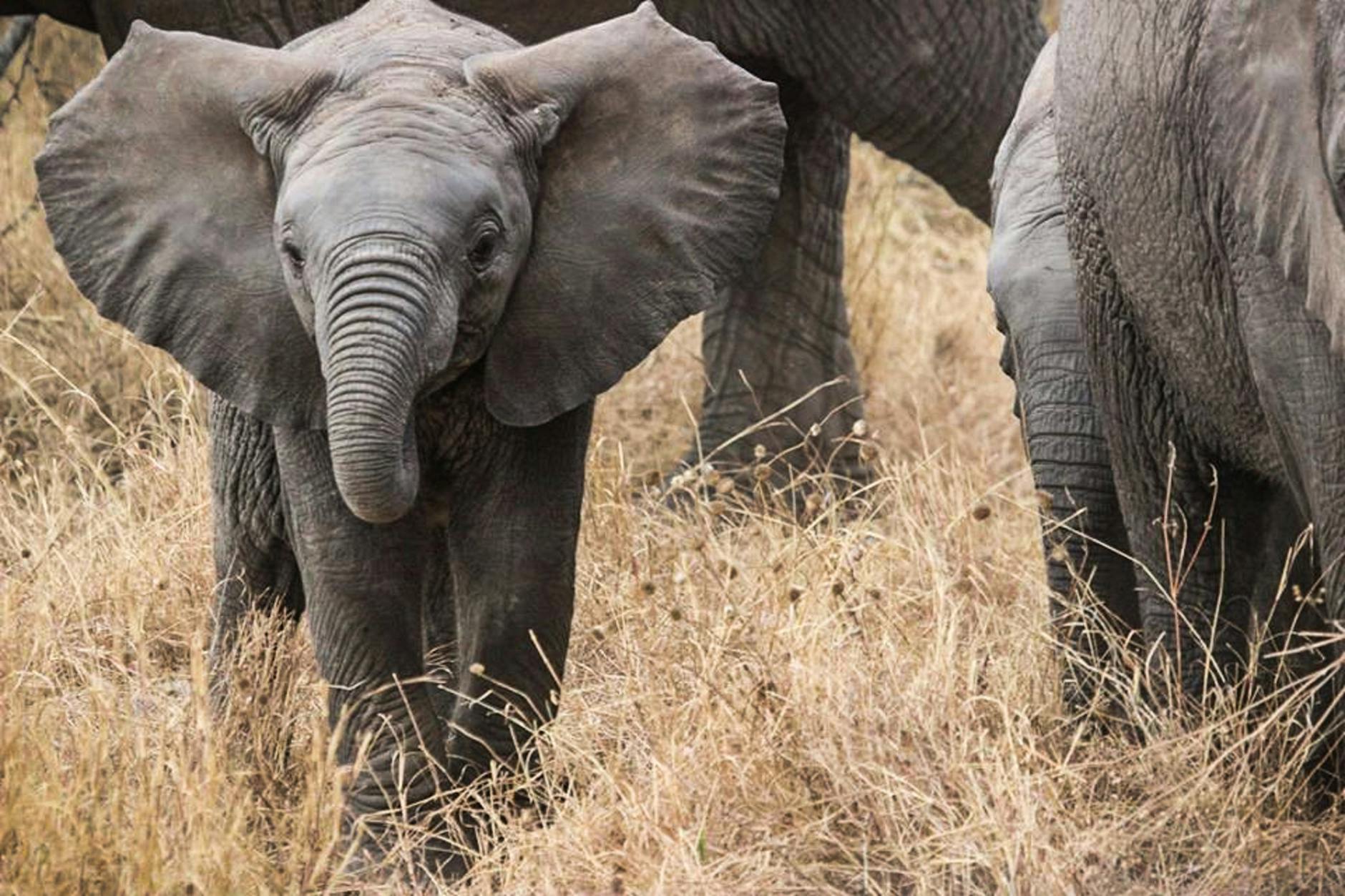
Elephant camps and wildlife tourism represent significant revenue streams for Thailand, Sri Lanka, India, and other countries where elephant populations exist. However, these operations are vulnerable to multiple simultaneous pressures: fuel costs, veterinary supply chains, tourism demand, and environmental degradation. The 2026 relocation showed that even well-established elephant sanctuaries cannot rely on stable operational conditions. When a fuel shortage forces manual relocation of 15 elephants, it signals that the supply chains sustaining these operations are fragile.
However, if a region faces compounding pressures—energy costs rising, tourism declining, and veterinary resources limited—elephant tourism can collapse quickly. This matters to investors because tourism-dependent economies have limited diversification. Countries that rely heavily on wildlife tourism (and the associated hotels, restaurants, and transportation) face concentrated risk. The March 2026 incidents occurred during a period of diesel shortage, which also implies pressure on the broader Thai economy. Investors in tourism, hospitality, and related sectors in these regions should monitor energy supply and economic stability closely, as these directly affect animal operations and, by extension, tourism revenue.
Herd Behavior and What Elephant Crossings Reveal About Ecosystem Health
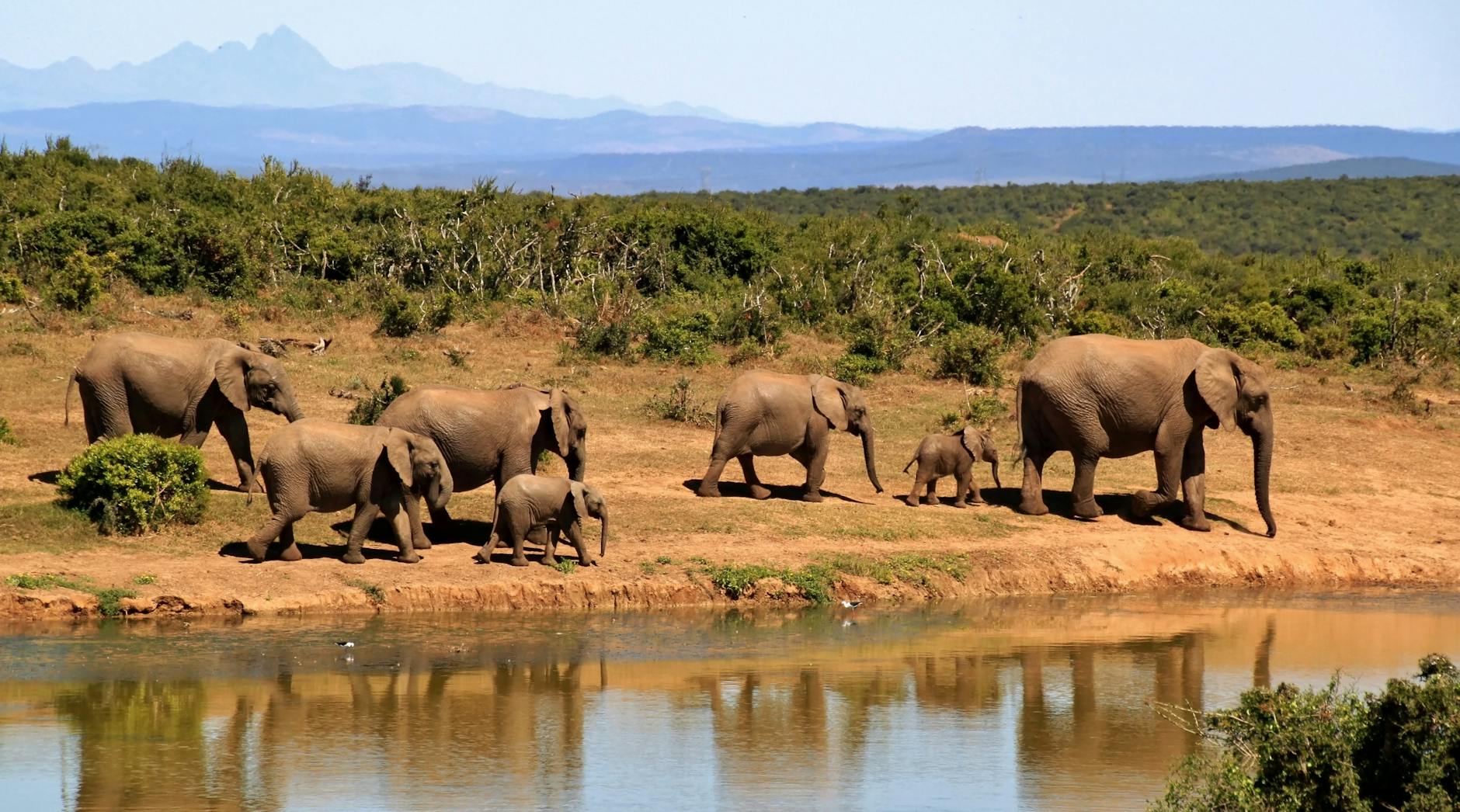
The viral video of a full elephant herd crossing a road together, with calves and a matriarch, captured something significant: elephants crossing roadways increasingly suggests that human infrastructure is fragmenting elephant habitats. When herd matriarchs lead groups across roads, they’re navigating a landscape that has become more hostile and constrained than it was historically. The matriarch’s pause and turn toward observers—interpreted by viewers as acknowledgment or gratitude—reflects the reality that elephants are increasingly aware of human presence and, in many cases, dependent on human tolerance for survival. This ecosystem indicator has investment implications.
Fragmented habitats and forced herd movements indicate that wildlife corridors are shrinking, which threatens both biodiversity and the long-term viability of wildlife-dependent tourism. Conservation investments, habitat protection initiatives, and ESG-focused funds are increasingly targeting these risks. Companies and investors addressing habitat preservation, sustainable tourism, and wildlife protection are positioning themselves for regulatory and market shifts. As governments strengthen environmental protections and ESG standards become more central to institutional investment decisions, the ability to demonstrate positive impact on ecosystems becomes a competitive advantage.
Animal Welfare as an ESG Investment Consideration
The elephant incidents in Thailand and the March 20 trampling incident in India—where a man was struck by an elephant emerging from forest and managed to walk away with injuries—highlight the intersection of human expansion and animal welfare. When elephants are forced to relocate due to fuel shortages or when they emerge onto roads and injure people, these are outcomes of habitat pressure and resource scarcity. From an ESG standpoint, companies operating in regions with significant elephant populations face growing scrutiny around animal welfare practices, habitat protection, and the sustainability of tourism operations.
Investors evaluating companies in animal tourism, hospitality, or wildlife conservation sectors should assess their animal welfare standards, habitat protection commitments, and supply-chain resilience. Companies that proactively invest in sustainable operations, renewable energy for facility management, and habitat preservation demonstrate lower long-term risk and stronger alignment with evolving ESG standards. Conversely, companies dependent on fragile supply chains and exploitative animal practices face regulatory pressure, consumer backlash, and declining revenue as ethical investing becomes mainstream.
Supply Chain Fragility and Resource Constraints in Emerging Markets
The diesel shortage that triggered the elephant relocation is not an isolated event—it reflects broader supply chain vulnerabilities in Southeast Asia. Energy supplies are constrained by geopolitics, production capacity, and distribution infrastructure. For companies operating in these regions, resource constraints are not edge cases but recurring realities. Elephant operations serve as a microcosm of this problem: when fuel is scarce, operations that depend on vehicles, generators, and regular supply deliveries face immediate disruption.
However, if companies diversify fuel sources, invest in renewable energy, or develop operations less dependent on external supply chains, they can build resilience. Some elephant sanctuaries are investing in solar power and locally-sourced operations, reducing their vulnerability to fuel supply disruptions. For investors, this signals a broader opportunity: companies that address supply chain fragility through innovation and local adaptation will outperform those that rely on stable external conditions. In emerging markets, stability is not a given, and operational resilience becomes a competitive advantage.

The Economic Impact of Human-Wildlife Conflict
The March 20 trampling incident in India, where a man was struck by an elephant while riding a motorbike and managed to walk away with injuries, exemplifies the economic costs of human-wildlife conflict. When elephants and humans collide, the outcomes include injury, death, property damage, and reduced tourism. These incidents create cascading costs: emergency healthcare, legal liability for tourism operators, and deterred visitors.
Insurance companies, healthcare providers, and tourism operators in wildlife-rich regions face hidden costs from human-animal conflict. As human populations expand into wildlife territories and climate change pressures wildlife to migrate, these conflicts are likely to increase. Investors should consider the hidden costs of expansion into wildlife habitats and the economic benefits of habitat preservation and wildlife corridors that reduce conflict.
Future Outlook—Wildlife, Infrastructure, and Investment
The elephant incidents of March 2026 occur within a broader context of environmental pressure, climate change, and resource constraint. As energy demand grows, fuel supplies face pressure. As human populations expand, wildlife habitats contract. These forces will drive more incidents like the Thailand relocation and the India trampling.
However, they also create opportunities for investors in renewable energy, sustainable tourism, habitat protection, and animal welfare. Companies and regions that build operational resilience, invest in renewable energy, and prioritize sustainable practices will emerge stronger. Wildlife tourism, when managed sustainably, can be economically valuable and environmentally protective. For investors, the message is clear: environmental pressures are real, animal welfare is increasingly material to investment decisions, and companies addressing these challenges will drive long-term returns.
Conclusion
Massive elephants walking through roads without apparent concern is not a curiosity—it’s a data point signaling resource scarcity, supply chain fragility, and habitat pressure. The March 2026 incidents in Thailand and India demonstrate how energy disruptions, ecosystem degradation, and human-wildlife conflict converge to create economic risks and opportunities.
For investors, the lesson is that environmental and animal welfare considerations are not peripheral—they’re central to understanding economic stability, regulatory risk, and long-term value creation in emerging markets and tourism-dependent economies. The path forward requires recognizing these incidents as symptoms of systemic stress, monitoring supply chain vulnerabilities in wildlife-dependent regions, and identifying companies that address animal welfare and environmental sustainability as core business strategy. Investors who integrate these insights into their analysis will be better positioned to navigate the economic challenges and opportunities that emerge as human and animal worlds continue to collide.