
When you’re mid-recipe and realize you’re out of eggs, butter, or buttermilk, you have options. Most common baking substitutions work reliably when you understand the chemistry behind them and match the right substitute to the right recipe. For example, if you need one egg and have ground flaxseed on hand, mixing 1 tablespoon of ground flax with 3 tablespoons of water creates a binding agent that works in most cakes and quick breads. The key to successful substitution is knowing which recipes are flexible enough to tolerate changes and which require precision. This article covers the most practical ingredient swaps, explains when they work best, and shows you how to adjust for texture and flavor differences.
Successful baking doesn’t require a fully stocked pantry. Home bakers have made excellent baked goods for centuries by improvising with what they had available. Modern ingredient substitutions are based on understanding what each ingredient does—eggs bind and add structure, butter adds moisture and richness, milk provides hydration. When you know the function, you can identify what will work as a replacement. We’ll walk through the most reliable substitutions for eggs, butter, dairy products, and flour, plus explain which types of recipes are most forgiving of changes.
Table of Contents
- What Are the Best Egg Substitutes for Different Types of Baking?
- How Do Butter Substitutes Perform in Laminated Doughs and Creaming Methods?
- Which Flour Substitutions Require Adjustment and Which Don’t?
- What’s the Right Way to Replace Buttermilk and Milk in Recipes?
- Why Do Muffins and Quick Breads Tolerate Substitutions Better Than Cookies and Cakes?
- How Do You Adjust Cooking Times When Using Wet Substitutes?
- Planning Your Substitutions: A Strategic Approach to Ingredient Swaps
- Conclusion
What Are the Best Egg Substitutes for Different Types of Baking?
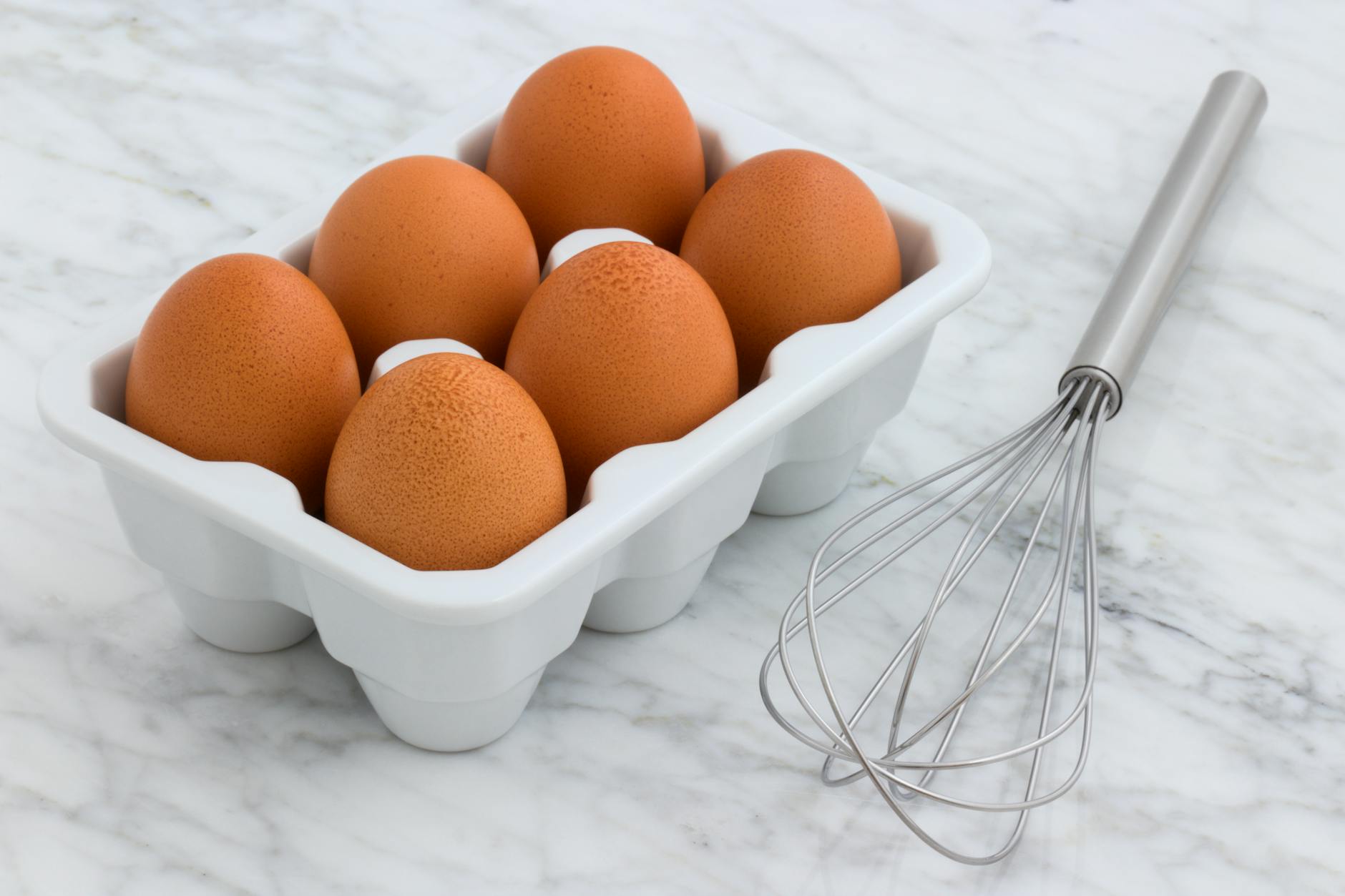
Eggs serve multiple roles in baking: they bind ingredients together, add moisture, help cakes rise, and create structure. The best egg substitute depends on what you’re making. For a dense chocolate cake, you might use applesauce or mashed banana. For cookies that need spread and chew, aquafaba (the liquid from canned chickpeas) works well. For vegan baking, ground flaxseed mixed with water creates a gel that mimics egg’s binding properties.
The most versatile egg replacement is a mixture of 1½ tablespoons water, 1½ tablespoons vegetable oil, and 1 teaspoon baking powder—this combination works for most cakes and quick breads because it adds binding power and a slight lift. Aquafaba, which is simply the liquid drained from canned chickpeas, can replace one egg at a 3-tablespoon ratio and works particularly well in recipes where you need structure without adding banana or applesauce flavor. Flax eggs are made by mixing 1 tablespoon of ground flaxseed or chia seed with 3 tablespoons of water and letting it sit for 5 minutes until it gels; these work best in dense baked goods like brownies and muffins where their nutty flavor complements the other ingredients. For lighter applications, mashed banana (½ ripe banana per egg) or applesauce (60-80 grams per egg) add moisture and natural sweetness, though they do change the flavor profile. Carbonated water, at ¼ cup per egg, works in recipes where you want lift without adding richness or flavor. The tradeoff is that these substitutes may affect cooking times—moist substitutes like applesauce can require 5 to 10 minutes longer to bake fully because they release moisture more slowly during baking.
How Do Butter Substitutes Perform in Laminated Doughs and Creaming Methods?
Butter serves two main purposes in baking: it provides richness and flavor, and it creates structure through creaming (when beaten with sugar) or lamination (when layered into dough for croissants). Finding a suitable substitute matters because the wrong choice can result in dense or greasy baked goods. Unrefined coconut oil replaces butter in a 1:1 ratio and works reliably in most applications, though it adds a subtle coconut flavor that some recipes enhance and others fight against. Applesauce, Greek yogurt, and neutral-flavored oils all work as direct replacements, though they change the texture—recipes made with these tend to be moister and slightly denser than butter-based versions. Vegan butter products specifically formulated for baking offer the closest match to traditional butter, designed to work 1:1 in both creaming methods and laminated doughs where fat layers matter.
These are worth buying if you do vegan baking regularly, as they’re engineered to mimic butter’s behavior. However, if you’re using applesauce or oil as a substitute, your croissants won’t develop the flaky, layered structure that lamination requires, and creamed batters may not incorporate as much air. The chemistry is different—butter’s solid state at room temperature is what creates those layers, while oil remains liquid and flows throughout the dough. For casual baking like brownies or muffins, applesauce or Greek yogurt work fine as butter substitutes and often improve moisture without the heavy richness. For precision baking where texture is critical—Danish pastries, pound cakes, or butter cookies—you’ll want to stick with butter or a product designed to mimic it. The difference between using coconut oil in a chocolate chip cookie (acceptable) and using applesauce in a croissant (won’t work) illustrates why understanding the recipe’s demands matters more than having a single substitute strategy.
Which Flour Substitutions Require Adjustment and Which Don’t?
When recipes call for cake flour and you only have all-purpose, substitution is simple: use 1 cup of all-purpose flour minus 2 tablespoons, then add 2 tablespoons of cornstarch to the mixture. This mimics cake flour’s lower protein content, which produces a more tender crumb. All-purpose flour works fine in most cake recipes without adjustment, though the texture will be slightly denser and tougher. The difference is subtle in layer cakes and completely unnoticeable in spice cakes or chocolate cakes where deep flavor is the priority. Whole wheat flour cannot be substituted 1:1 for all-purpose because it absorbs significantly more water and adds nutty flavor.
If you want to use whole wheat, replace no more than half the flour in the recipe and expect to add slightly more liquid to reach the right batter consistency. Gluten-free flour blends vary by brand and don’t substitute cleanly without also adjusting leavening agents and sometimes adding a binder like xanthan gum. Specialty flours like almond flour or coconut flour are fundamentally different ingredients that change both structure and taste—they’re not simple substitutes but require recipe redesign. The straightforward rule is that all-purpose flour works in nearly everything, whether or not the recipe specifies it. Substituting away from all-purpose—to specialty flours or even other standard flours—requires understanding how protein content, water absorption, and flavor affect the final result. Cake flour substitution is the exception because it’s close enough in function that a simple cornstarch adjustment captures the benefit.

What’s the Right Way to Replace Buttermilk and Milk in Recipes?
Buttermilk appears in recipes primarily for two reasons: the acidity reacts with baking soda to create lift, and the tanginess adds flavor. To replace 1 cup of buttermilk, mix 1 cup of regular milk with 1 tablespoon of lemon juice or white distilled vinegar, then let it sit for 5 to 10 minutes until it curdles slightly. This simple swap works in virtually any recipe because the acidity is the key—the curdling just signals that the acidic reaction has begun. For dairy milk substitutions, soy milk, oat milk, pea milk, and enriched almond milk all work 1:1 in recipes without other adjustments. The most neutral-tasting option is oat milk, which doesn’t add flavor the way some nut milks do.
Soy milk has slightly more protein than other plant-based options and produces marginally richer texture. Almond milk works fine but can taste watery if you use an unsweetened version—check for enrichment to ensure it has the fat content milk provides. Unenriched almond milk is thin and can result in drier baked goods. A practical example: if a muffin recipe calls for buttermilk and you have regular milk and lemon juice, make the substitution and add the juice just before mixing the batter. If the same recipe calls for regular milk but you only have unsweetened almond milk, the substitution still works, though you may need to reduce other liquid by a tablespoon or two if the batter seems too thin. The flexibility here is high because baked goods don’t depend on milk’s exact composition the way dairy products do—they depend on hydration and, in buttermilk’s case, acidity.
Why Do Muffins and Quick Breads Tolerate Substitutions Better Than Cookies and Cakes?
Muffins and quick breads are the forgiving student of the baking world—they’re mixed simply, baked once, and eaten warm, which masks minor texture flaws. The key finding from testing across recipes is that muffins and quick breads are most forgiving with ingredient substitutions, while cookies, bars, and cakes may show texture and flavor changes, particularly with egg substitutes which may affect cooking times. This difference exists because muffins rely on chemical leavening (baking soda or baking powder) rather than careful structure. They expect a thick, heterogeneous batter, so variations in moisture and binding don’t matter as much. Cookies and bars are far more sensitive because they depend on precise ratios of fat, flour, and sugar to achieve the right spread, chew, or crunch. Replace the butter with applesauce and your cookie will cake up instead of spreading. Replace an egg with applesauce and a chocolate chip cookie might bake through unevenly.
Cakes sit between muffins and cookies in sensitivity—they need structure but tolerate some texture variation. A simple vanilla sheet cake made with half-applesauce substituted for half the butter will bake fine. A delicate chiffon cake with too much moisture substituted for egg will collapse or turn out dense and wet. The practical lesson is to save bold substitutions for recipes that can handle them. Try egg substitutes in brownies, quick breads, or spice cakes where structure isn’t finicky. Be more conservative with butter, flour, and leavening in cookies, croissants, or angel food cakes. When you do substitute in sensitive recipes, keep detailed notes on ratios and adjustments—successful bakers often discover that their second or third attempt with a substitution turns out better once they understand how that ingredient behaves in their kitchen’s specific conditions.

How Do You Adjust Cooking Times When Using Wet Substitutes?
When you replace dry or solid ingredients with wet ones—applesauce for egg, oil for butter, or plant milk for dairy—the additional moisture in the batter changes how quickly the edges set and how long the center takes to bake through. As a general rule, cakes and quick breads made with wet substitutes bake 5 to 10 minutes longer than the original recipe specifies. The top may brown at the normal time, but the crumb won’t be set, so the traditional “toothpick test” becomes essential: insert a toothpick in the center and pull it out. It should have a few moist crumbs clinging to it, not batter.
If there’s wet batter on the toothpick, the bake needs more time. Covering the top loosely with foil once it reaches the desired color prevents over-browning while the center finishes baking. This technique lets you extend baking time without drying out the edges. Oven temperature also matters—if your oven runs hot (which many home ovens do by 10 to 25 degrees), moist batters may brown too quickly before the center sets. Using an oven thermometer to verify your oven’s actual temperature helps you adjust without guessing.
Planning Your Substitutions: A Strategic Approach to Ingredient Swaps
The most successful bakers approach substitution strategically: they know what they’re missing, they know what recipe they want to make, and they choose a substitute that serves both purposes. A substitution that works in one recipe might not work in another, even if both are cakes. Before you substitute, ask yourself whether the recipe relies on that ingredient’s structure, flavor, or function. If structure matters (cookies, laminated doughs, chiffon cakes), stay close to the original.
If flavor and moisture matter more than structure (brownies, spice cakes, quick breads), you have more freedom. Keep a simple substitution reference handy in your kitchen—even just a note card with egg, butter, and milk options. The more you work with substitutes, the faster you’ll develop intuition about what works where. Bakers who regularly accommodate dietary restrictions often become expert substituters because they practice constantly. What starts as an emergency substitution can become a preferred technique once you’ve tested it and adjusted for your kitchen and preferences.
Conclusion
Ingredient substitution in baking is both an art and a science. The scientific part involves understanding what each ingredient does—binding, leavening, moistening, or adding fat. The art part involves knowing when a recipe can handle deviation and when it cannot.
Most common substitutions work reliably when matched to the right recipe, with eggs, butter, and dairy products having proven alternatives that you can keep on hand or improvise from pantry staples. The practical reality is that you’ll make your best cakes and cookies with original ingredients, but you’ll also make perfectly good ones with thoughtful substitutions. Start with forgiving recipes like muffins and quick breads, note what works, and expand your substitution confidence from there. The more you bake, the less often you’ll find yourself missing a critical ingredient because you’ll naturally develop the habit of checking recipes before shopping and keeping versatile ingredients stocked.