
The key to making small drywall holes invisible lies in using the right material for the hole size and taking time with the finishing steps. For holes smaller than an eighth of an inch, a simple application of spackle with a putty knife is all you need—no patch required. For slightly larger holes up to about half an inch, you’ll layer spackling compound in thin coats, feathering the edges to blend seamlessly with the surrounding wall.
The process takes patience more than skill, and the difference between a visible repair and one that disappears entirely often comes down to whether you prime and sand properly before painting. This article walks you through each size category, explains which products work best, and covers the finishing techniques that determine whether your repair blends in or stands out. The good news is that most wall damage falls into the small-hole category that homeowners can repair themselves in under an hour—and the materials cost just a few dollars. Whether you’re fixing accidental damage from furniture or preparing to sell a home, understanding the right approach for your specific hole size makes the difference between a professional-looking repair and one that catches every visitor’s eye.
Table of Contents
- What’s the Difference Between Spackling Compound and Joint Compound?
- Matching Your Repair Method to Hole Size
- The Critical Role of Sanding in Creating an Invisible Repair
- Why Primer Makes or Breaks the Final Result
- Common Issues That Make Repairs Visible or Fail Prematurely
- Achieving Texture Match on Textured Walls
- Looking Forward—Prevention and Maintenance
- Conclusion
What’s the Difference Between Spackling Compound and Joint Compound?
Spackling compound and joint compound are both used in drywall repair, but they serve different purposes and have different working characteristics. Spackling compound has a thicker consistency and comes ready-to-use in tubs or tubes. It dries in about 30 minutes, making it ideal for filling small holes and gouges without waiting all day. Joint compound, sometimes called drywall mud, takes significantly longer—up to 24 hours—to dry fully, and typically requires multiple coats.
Joint compound is available as powder (which you mix with water) or pre-mixed, and its primary job is finishing tape seams and creating smooth transitions rather than filling holes outright. For small drywall repairs, spackling compound is almost always the better choice due to its quick drying time and thick consistency that fills voids effectively. However, if you’re doing extensive work with multiple layers or need a more durable final finish, some professionals prefer using a quick-set joint compound instead. The limitation here is convenience: if you’re patching holes during a weekend project and want to paint the same day, joint compound’s 24-hour drying time becomes a problem. Spackling’s main weakness is that it can shrink slightly as it dries, so holes larger than half an inch may require multiple applications to build up enough material.
Matching Your Repair Method to Hole Size
Drywall holes fall into distinct size categories, each requiring a different repair approach. Holes one-eighth inch or smaller need only spackle applied with a putty knife and no additional patching material. For holes between one-quarter and one-half inch, you’ll apply spackling compound in thin layers, being careful to feather the edges outward so they blend with the wall surface rather than creating a hard border.
The critical difference comes at the one-half to three-inch range, where you’ll want to use a self-adhesive mesh patch as the foundation, then apply spackling compound or lightweight joint compound over it in a crisscross pattern. One important limitation to understand: while the techniques described work well for holes up to about three inches, anything larger really falls into the realm of needing an actual drywall patch cut and installed—a more involved project beyond simple spackling. If you’re dealing with a hole larger than three inches, you’re looking at removing the damaged section, cutting and fitting a new piece of drywall, mudding the seams, and finishing. However, if your hole is within the small-to-medium range, these straightforward techniques will give you results that are genuinely difficult to spot once painted.
The Critical Role of Sanding in Creating an Invisible Repair
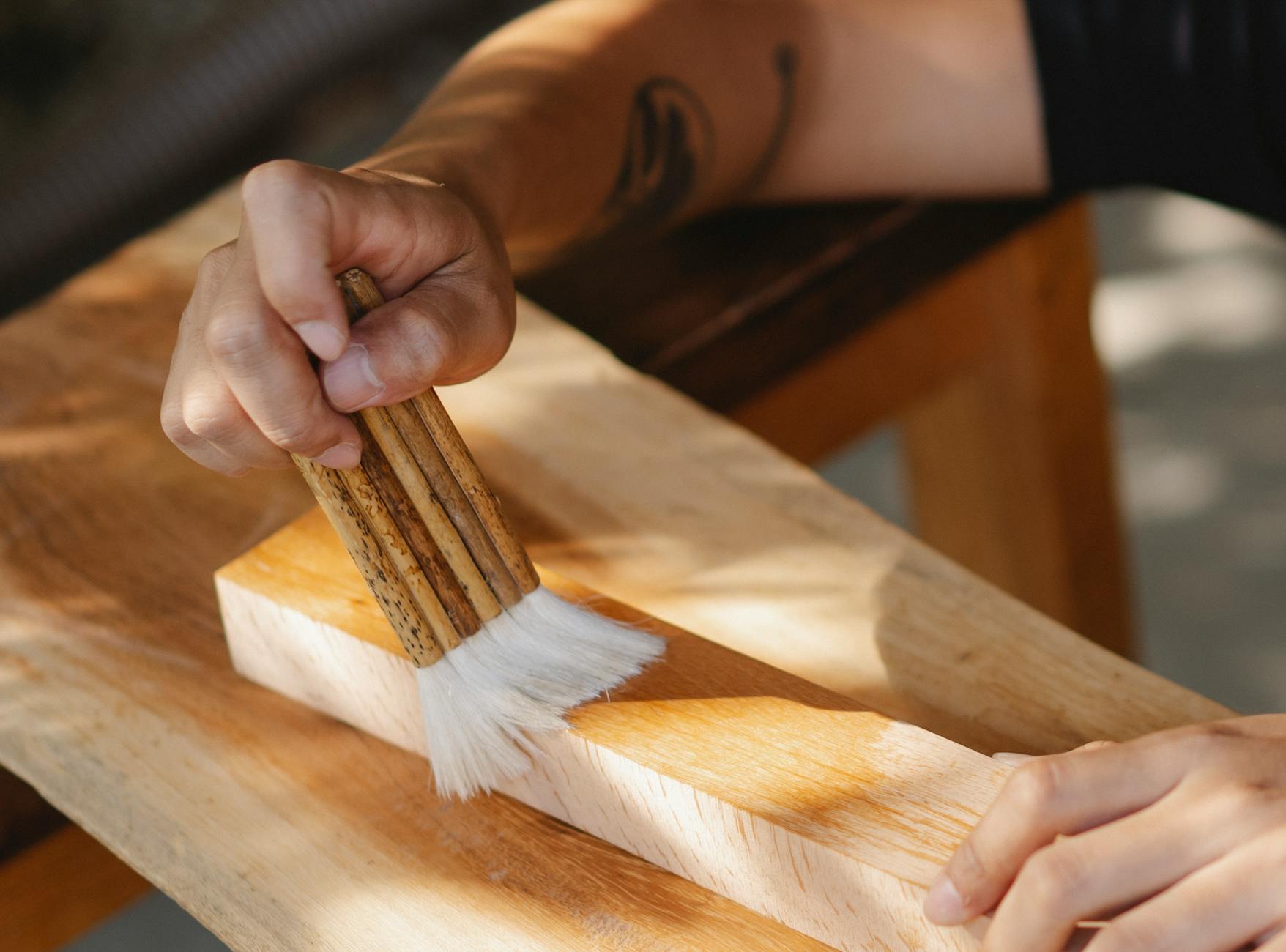
Sanding is where many DIYers sabotage their own work, either by skipping it entirely or doing it carelessly. After your spackling or joint compound has dried, your initial sanding should use 120-150 grit fine sandpaper to remove rough edges and build-up. Follow that with a final sanding using 100-grit sandpaper, applying light circular motions rather than aggressive scrubbing. The goal isn’t to sand away the compound—it’s to create a smooth, feathered transition between the repair and the surrounding wall so there’s no edge to catch light or feel under your hand.
Many people assume once spackling dries, they’re done. But without sanding, the edges remain hard and visible, and the surface texture may not match the rest of your wall. Additionally, if you apply paint directly over unsanded compound, the paint adhesion is uneven, which can lead to peeling or a noticeably different finish in that spot. Taking 10 minutes to sand properly transforms a rushed-looking repair into one that’s genuinely invisible.
Why Primer Makes or Breaks the Final Result
After sanding, the next step many homeowners skip is applying primer, and this is where “flashing” occurs—that shiny spot or area with visibly different color that screams “I patched the wall here.” Primer seals the spackling compound and ensures that subsequent paint coats adhere evenly across both the repaired area and the surrounding wall. Without primer, the porous compound absorbs paint differently than the rest of your wall, leading to color variations and a finish that doesn’t match. The choice between spackling alone and using a self-adhesive mesh patch with quick-set mud depends partly on durability expectations.
If you’re patching a wall in a room with high activity—near a doorway or where furniture might bump it again—the mesh patch approach offers better longevity. The fiber mesh tape with quick-set mud creates a more substantial repair that’s less likely to re-crack if it experiences minor impacts. For low-traffic walls or holes that aren’t in vulnerable locations, basic spackling with primer and paint provides perfectly adequate results at minimal cost and effort.
Common Issues That Make Repairs Visible or Fail Prematurely
One frequent problem occurs when spackling compound is applied too thickly, then shrinks as it dries, leaving a depression that catches light and becomes visible even after painting. This is why thin layers, feathered outward, work better than one thick application. Building up the repair through multiple thin coats—allowing each to dry completely—gives you better results than trying to fill the hole in one go. Another issue arises when the compound isn’t properly feathered.
If you stop applying compound at a hard edge, that edge is visible even under paint because light hits it differently than the surrounding wall. The feathering process extends the compound outward in increasingly thin layers so the transition is gradual. A warning worth noting: if the drywall itself is damaged around the hole—crumbling or torn—spackling won’t stick properly to damaged material. You may need to use a utility knife to clean up the hole edges first, removing loose material and creating a clean, firm surface for the compound to adhere to.

Achieving Texture Match on Textured Walls
If your wall has texture—popcorn, orange peel, or knockdown—matching that texture during repair adds another layer of complexity. Some people attempt to spray texture over their repair, but this often looks worse because texture application is an art and the repair area ends up looking distinctly different.
A more practical approach is to keep your repair smooth and blend it by lightly texturing just that area with a sponge or spray can of matching texture, if the manufacturer’s product is still available. For most homes, though, the best strategy is accepting that textured walls will show repairs slightly more than smooth walls, and planning your repair accordingly. If you’re doing this work because you’re selling the house or renting the space out, painting the entire wall (or the entire room) is often more cost-effective than trying to perfectly match old texture.
Looking Forward—Prevention and Maintenance
Small drywall holes are remarkably common and genuinely easy to repair once you understand the process. The techniques covered here—properly sized material selection, thin layering, careful sanding, and primer application—are the same ones professionals use. The main difference is experience: professionals have done hundreds of repairs and can feel when sanding is complete or when feathering looks right.
Homeowners doing their first repair often discover they’ve learned something useful for maintaining their home. As you develop comfort with these repairs, you’ll likely find yourself fixing minor wall damage as part of regular home maintenance rather than waiting until it becomes unsightly. A spackling kit with a putty knife and sandpaper costs minimal money and fits easily in a junk drawer, ready for whenever a hole appears.
Conclusion
Patching small drywall holes invisibly comes down to three fundamentals: using the right product for the hole size (spackling for holes up to one-half inch, mesh-reinforced compound for slightly larger ones), applying material in thin, feathered layers rather than thick coats, and finishing with proper sanding, primer, and paint. The entire process takes a couple of hours from start to finish, and the materials cost very little.
Most importantly, the difference between a visible repair and an invisible one isn’t about advanced skill—it’s about patience and understanding why each step matters. Your next time you notice a small hole in drywall, you have the knowledge to handle it yourself. Start with the appropriate material for your hole size, take your time with the layering and feathering, don’t skip sanding or primer, and you’ll achieve results that are genuinely difficult to spot.