
The most reliable way to get upgraded to first class without paying is to achieve elite status with a major airline. American Airlines AAdvantage elite members, for instance, receive unlimited complimentary, auto-requested upgrades to first class on all domestic flights—a perk that applies to their travel every single time they book. Delta Medallion members and Alaska Airlines MVP members enjoy similar benefits, with automatic placement on upgrade waitlists for their flights.
However, the reality in 2026 is that these free upgrades have become “few and far between,” as increased competition from elite members seeking limited first-class seats has made the availability significantly harder than in previous years. Beyond elite status, there are several alternative strategies: elite members can sponsor free upgrades for traveling companions, credit card holders can use airline fee credits to pay for upgrades, passengers can volunteer for flight overbooking in exchange for travel credits or free upgrades, and some carriers allow you to upgrade with frequent flyer miles at fixed rates. This article explores each path, from the investment case for elite status to the practical tactics used by savvy travelers, along with the current market reality that airlines have made paid upgrades more prominent and accessible than free options.
Table of Contents
- Building Elite Status—The Foundation of Free Upgrades
- Upgrade Certificates—How Long They Last and When to Use Them
- Premium Travel Credit Cards—The Paid Upgrade Alternative With Built-In Offsets
- Mileage Upgrades and Volunteer Bumps—Lower-Cost Alternatives
- The 2026 Market Reality—Paid Upgrades Are Now the Default Strategy
- Sponsor Upgrades—Leveraging Your Elite Status for Others
- Is Elite Status Worth the Investment? A Financial Perspective
- Conclusion
Building Elite Status—The Foundation of Free Upgrades
Elite status is fundamentally an investment in annual spending or flying that, if you travel frequently, eventually delivers free upgrades as a compounding return. American Airlines AAdvantage, Delta Medallion, and Alaska Airlines MVP all tier members through annual mileage or spending thresholds—typically ranging from $3,000 to $25,000+ per year depending on status level. American Airlines has historically been the most generous with upgrade availability, automatically requesting first-class upgrades for all elite members on every flight; Delta provides complimentary upgrades in order of elite status level, meaning higher-tier members get priority; and Alaska Airlines places MVP members directly on the upgrade waitlist upon booking, giving them a shot at free upgrades on available flights. The investment math matters. If you fly frequently for business or leisure—say, 40,000 annual miles or $15,000+ in airline spending—elite status might be reached organically, and the free upgrades become a true zero-cost benefit.
For example, a business traveler making four round-trip flights per month across the country (approximately 36,000 miles annually) could trigger elite status and subsequently receive several complimentary first-class upgrades per year, potentially saving thousands in ticket price differences. However, if you don’t travel enough to naturally qualify, chasing elite status solely for upgrades becomes a net-negative investment unless paired with other benefits like priority boarding, lounge access, or bonus miles. The limitation here is capacity: airlines don’t guarantee free upgrades even with elite status. They offer them on a space-available basis, and when flights are full or predominantly booked by other elite members, no upgrade happens. This is where the 2026 reality diverges from historical norms—more elites chasing fewer available premium seats has compressed the upgrade window. Where travelers once received frequent free upgrades, today they might see them only occasionally, particularly on popular routes or peak travel times.

Upgrade Certificates—How Long They Last and When to Use Them
Upgrade certificates are among the most valuable elite benefits and function as guaranteed one-cabin improvements that you can apply to any eligible flight within their validity window. Delta Medallion members earn upgrade certificates based on their elite tier; these certificates remain valid through the end of the Medallion year in which they were issued plus an additional 12 months. For example, an upgrade certificate earned in June 2026 remains usable through January 31, 2028—providing a generous window to identify premium flights where a first-class upgrade genuinely adds value. American Airlines offers systemwide upgrades for 2 Million Miler status and higher; those earned between March 1, 2025 and February 28, 2026 are valid through March 31, 2027. Where upgrade certificates become strategic is in combining them with the airlines’ published upgrade pricing.
If you have an upcoming premium flight—perhaps a long domestic route or international trip—you can check the real-time upgrade cost (which airlines now display at booking, as American Airlines began doing with its “Instant Upgrades” system in August 2025) and decide whether to spend miles, cash, or redeem a certificate instead. The certificate eliminates the cash or mileage cost entirely, so the logic is straightforward: use them on flights where the paid upgrade would be most expensive or where first class delivers the most value, such as cross-country red-eyes or premium international routes. However, the limitation is that certificates don’t guarantee a first-class seat if you book deep economy; they only upgrade you within your existing reservation class. If you purchase a basic economy ticket with tight seat restrictions, the certificate might upgrade you to premium economy or economy plus, not first class. Additionally, basic economy fares on some carriers exclude upgrades altogether, so the first step is confirming your ticket type is upgrade-eligible before counting on the certificate.
Premium Travel Credit Cards—The Paid Upgrade Alternative With Built-In Offsets
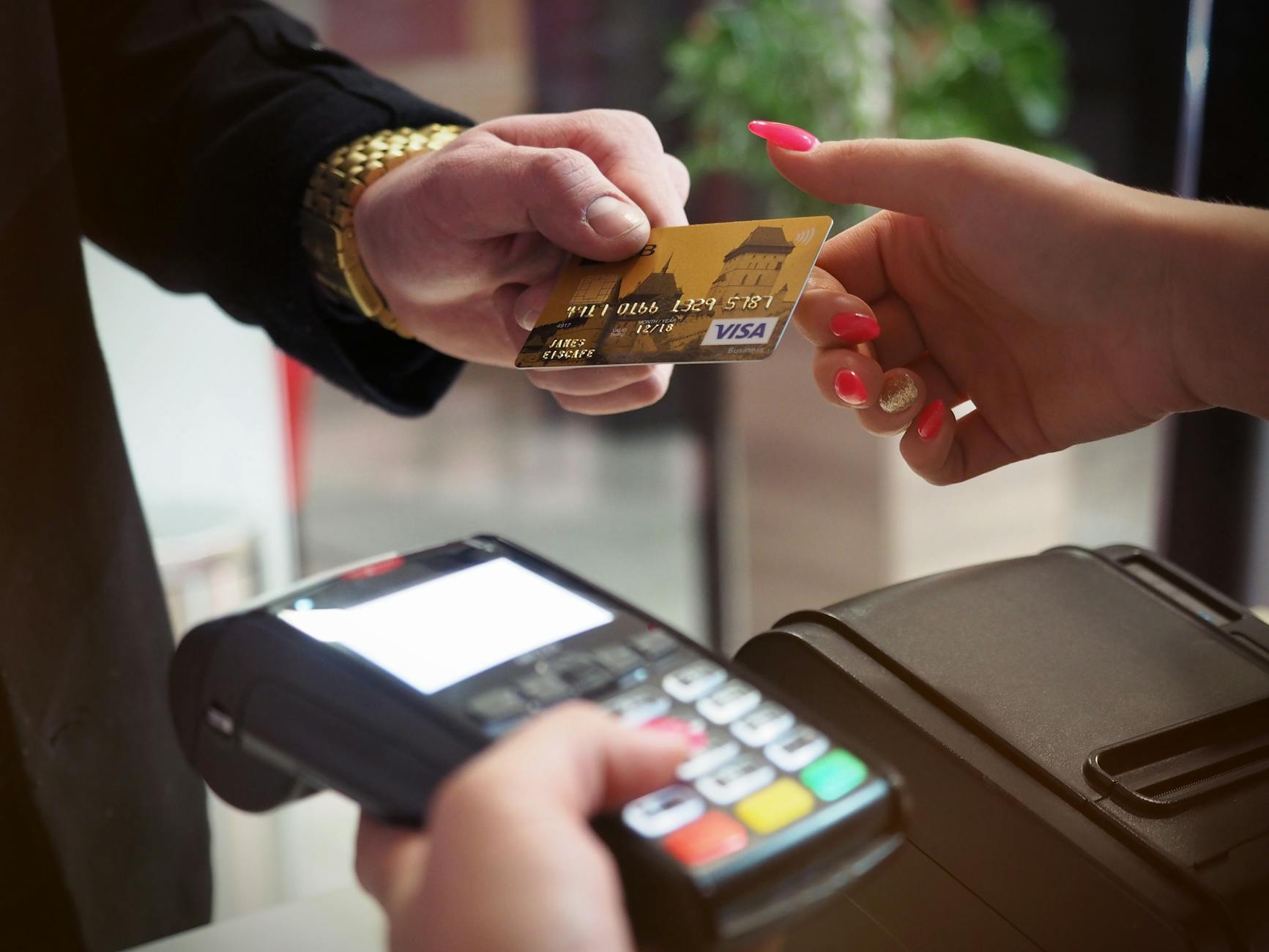
Premium airline and travel credit cards offer incidental airline fee credits as annual benefits, designed specifically to absorb costs like seat upgrades, baggage fees, or seat selections. These credits—typically $100 to $300 annually depending on the card tier—can be applied directly to upgrade costs. For a traveler paying $150 to $300 out-of-pocket for a domestic first-class upgrade, a premium card’s $200 annual travel credit effectively subsidizes the upgrade, bringing the net personal cost to near-zero, provided you redeem the credit strategically. The investment case depends on whether you’d use the card anyway. A premium travel card carrying a $550 annual fee is only worthwhile if you value the travel credit, lounge access, bonus miles, and other perks at more than that fee.
For a frequent flyer, this often pencils out: $200 travel credit + $100 lounge credits + $75 in lounge visits + $150 in bonus miles can exceed the annual fee. But if you travel only a handful of times per year and don’t frequent airport lounges, a premium card becomes an expensive way to subsidize a single upgrade. The sweet spot is a traveler who makes 4-6 flights per year, values premium comfort on 2-3 of those flights, and would benefit from other card perks anyway. One important warning: these travel credits are “incidental” fees, meaning they typically cover upgrades, seat selections, and baggage charges—not the full ticket price. If an airline increases upgrade prices during periods of peak demand (as they routinely do), the fixed credit might not cover the entire cost. Additionally, credits are usually “use it or lose it” on an annual basis, so you must actively redeem them before the card’s anniversary or forfeit the benefit.
Mileage Upgrades and Volunteer Bumps—Lower-Cost Alternatives
Alaska Airlines allows MVP members and non-elite customers to purchase first-class upgrades using frequent flyer miles at a fixed rate of 15,000 miles per one-way flight. This sits at the intersection of free and paid: if you’ve accumulated miles through credit card spending rather than flights, you can technically upgrade “for free” in terms of out-of-pocket cash, though the miles themselves have economic value. For a credit card that earns 2-3 miles per dollar spent, 15,000 miles represents $5,000 to $7,500 in charged spending, so the true cost is indirect. Volunteer bumps represent an entirely different strategy. When airlines oversell flights, they offer travel credits, free flight vouchers, or complimentary upgrades to passengers who voluntarily give up their seat and rebook on a later flight. In this scenario, you arrive at the gate, accept the bump, receive compensation (often $400 to $800+ in flight credits), and get rebooked on a later flight—sometimes at an upgraded cabin.
This approach works best if your schedule is flexible and you’re traveling for leisure rather than time-sensitive business. A real-world example: a passenger on a moderately full domestic flight might accept a bump in exchange for $600 in flight credits and a first-class rebook on a flight two hours later, effectively earning a paid upgrade through the bump compensation. The limitation is predictability. Oversells happen irregularly, and you can’t plan a trip around the hope of being bumped. Mileage upgrades require a substantial miles balance, and once you’ve spent those miles, they’re gone. The smarter use of miles is typically toward discounted economy tickets on premium routes, then paying cash or using a credit card fee credit to upgrade from there.
The 2026 Market Reality—Paid Upgrades Are Now the Default Strategy
In 2026, free complimentary upgrades have become statistically rarer, according to sources tracking airline behavior, because elite member demand exceeds available first-class capacity. Historically, airlines incentivized elite status by generous upgrade availability; today, they’re monetizing that seat scarcity by prominently advertising paid upgrades to all passengers, particularly in the days immediately before departure when upgrade inventory becomes clearer. American Airlines exemplifies this shift. In August 2025, it eliminated its fixed mileage upgrade award chart—the system that let you know exactly how many miles an upgrade would cost on any route. In its place, American deployed “Instant Upgrades,” a real-time pricing system that shows current upgrade availability and cost (in dollars or miles) at booking and at the airport.
This change benefits the airline by capturing more revenue from passengers willing to pay dynamic prices; it complicates consumer strategy because upgrade prices fluctuate and aren’t guaranteed. A domestic upgrade that costs 10,000 miles on a Tuesday flight might cost 25,000 miles on a Friday flight on the same route. The practical consequence is that paid upgrades—both cash and mileage—have shifted from a backup plan to the primary expectation. If you want reliable first-class access without elite status, you should budget for upgrade costs, not expect free options. Airlines have effectively flipped the incentive structure: elite status still includes upgrade benefits, but airlines rely more on dynamic pricing to extract revenue. This means a new traveler’s best path to first-class access is not necessarily pursuing elite status for free upgrades, but rather securing a premium credit card with travel credits and selectively upgrading on premium flights.

Sponsor Upgrades—Leveraging Your Elite Status for Others
A benefit often overlooked is the ability for elite members to sponsor free upgrades for traveling companions on the same flight. This creates a compounding benefit: if you achieve elite status, you can take another traveler—a colleague, family member, or partner—and request a complimentary upgrade for them as well. On a round-trip first-class upgrade that might otherwise cost $400 to $600 per person, sponsoring a companion’s upgrade doubles the value of your elite status in real terms.
Here’s a practical scenario: a business traveler with American Airlines Gold Elite status qualifies for a complimentary first-class upgrade. On a cross-country flight to a conference, they could upgrade themselves to first class and simultaneously request a complimentary upgrade for a colleague traveling with them. Both passengers end up in first class, but the company only paid for two economy tickets. Over a year of quarterly business travel, this benefit might provide $3,000 to $5,000 in real upgrade value—potentially justifying the annual spending required to maintain elite status if the traveler wouldn’t otherwise fly enough to qualify.
Is Elite Status Worth the Investment? A Financial Perspective
For investors and frequent business travelers, the decision to chase elite status should be framed as a return-on-investment calculation. Elite status typically requires either $5,000 to $25,000 in annual airline spending or 25,000 to 75,000 annual miles flown, depending on the carrier and tier. If you’re a business traveler whose flights are company-paid, you might reach elite status organically and capture the upgrade benefits essentially free. If you’re paying your own way, the math is tighter: you need to estimate the number of free upgrades you’ll receive annually and multiply by the upgrade cost difference between economy and first class on your typical routes.
For leisure travelers flying only occasionally, elite status pursued solely for upgrade access doesn’t justify the spending. However, if you’re already spending $15,000+ annually on flights (perhaps eight to ten cross-country trips), reaching elite status and receiving three to six free upgrades per year could provide $1,500 to $3,000 in genuine value. When combined with other elite benefits—priority boarding, lounge access, bonus miles—the math becomes more favorable. The forward-looking insight is that as airlines continue monetizing premium seat scarcity through dynamic pricing, the gap between free and paid upgrades will likely widen. Elite status will remain valuable for frequent travelers who generate sufficient volume to reach high tiers, but for casual travelers, the smarter strategy is probably investing in a premium credit card’s annual travel credits and strategically deploying them on the trips where first-class comfort delivers the most value—not chasing elite status hoping for free upgrades that may not materialize.
Conclusion
Getting upgraded to first class without paying requires a multi-pronged approach that varies based on your travel frequency and budget. The most reliable method remains achieving elite status with American Airlines, Delta, or Alaska Airlines, which grants automatic upgrade eligibility, though in 2026 availability has tightened due to higher elite member demand. For casual travelers, premium credit cards with annual travel credits offer a better return on investment than pursuing elite status, allowing you to subsidize upgrades on carefully chosen flights. Supplementary strategies—volunteer bumps, mileage upgrades, and sponsor upgrades—add flexibility but lack the consistency of either elite status or credit card credits.
The key is matching your strategy to your travel profile. If you fly 50,000+ miles annually, elite status likely pays for itself. If you take four to six leisure flights per year, a premium travel credit card with a generous travel credit is more efficient. If your schedule is flexible, volunteer bumps can deliver incredible value on the right flights. By understanding the current market reality—that airlines have shifted emphasis from free to paid upgrades—you can make a deliberate choice about how much to invest in first-class access and which method delivers the best return for your travel style.