
The smell of mildew in a washing machine comes from bacteria and mold growth that thrive in the warm, damp environment inside the drum and rubber seals. The most effective way to eliminate the smell is to run a cleaning cycle with either white vinegar or commercial washing machine cleaner, followed by leaving the door open between uses to allow air circulation. For example, many homeowners find that running an empty hot water cycle with two cups of white vinegar, then wiping down the rubber door gasket where moisture accumulates, completely removes the odor within 24 hours. This article explains what causes the smell, walks through both DIY and commercial cleaning methods, covers preventive maintenance practices, and addresses stubborn cases where the smell persists despite initial cleaning attempts.
Table of Contents
- Why Washing Machines Develop a Mildew Smell and Where the Odor Originates
- Running a Vinegar Cleaning Cycle and Deep-Cleaning the Machine Interior
- Using Commercial Washing Machine Cleaners and When They’re Necessary
- Cleaning the Door Gasket, Drain Filter, and Other Hidden Moisture Traps
- Preventing Future Mildew Growth Through Drying and Ventilation Habits
- What to Do When the Smell Persists Despite Multiple Cleaning Attempts
- When to Consider Machine Replacement Versus Continued Maintenance
- Conclusion
- Frequently Asked Questions
Why Washing Machines Develop a Mildew Smell and Where the Odor Originates
Washing machine mildew smell occurs because the rubber gasket, drain hose, and drum interior trap water, detergent residue, and lint—creating a perfect breeding ground for mold and bacteria. Modern front-loading machines are especially susceptible because they retain more moisture after cycles, and many owners use too much detergent or low-temperature wash settings, neither of which effectively rinse away the organic material that feeds microbial growth.
A washing machine left with the door closed continuously will develop an odor within just a few weeks if the internal components aren’t drying properly. The smell specifically comes from volatile organic compounds released by mold species like Aspergillus and bacteria like Pseudomonas, which colonize the rubber seals first—this is why the odor is often most noticeable right at the door opening.

Running a Vinegar Cleaning Cycle and Deep-Cleaning the Machine Interior
The simplest cleaning method uses white vinegar, a natural acid that kills mold and dissolves mineral buildup. Run an empty hot water cycle and pour two cups of white vinegar into the detergent dispenser, then let the machine complete the full cycle; some machines have a dedicated “clean” or “sanitize” mode that heats the water to a higher temperature for better results.
After the cycle, immediately wipe down the rubber gasket with a microfiber cloth and vinegar solution, paying special attention to the folds and crevices where mold hides. However, if your machine has severe buildup, a single vinegar cycle may not be sufficient—you may need to repeat the process 2-3 times over a week or escalate to a commercial cleaner like Affresh or Clorox Washing Machine Cleaner, which are formulated with stronger antimicrobial agents and penetrating cleaners designed specifically for this purpose.
Using Commercial Washing Machine Cleaners and When They’re Necessary
Commercial machine cleaners like Affresh tablets, Tide Washing Machine Cleaner, and Clorox Washing Machine Cleaner are engineered to target the specific problem of mold and mildew buildup more aggressively than vinegar. These products typically cost between $3 and $8 per use and work by dissolving biofilm, releasing trapped moisture, and coating interior surfaces with antimicrobial compounds.
For instance, if your machine has been closed and unused for months, or if you’ve noticed the smell for several weeks, a commercial cleaner used once per month for three months will generally resolve the issue more reliably than occasional vinegar treatments. A limitation of commercial cleaners is that they aren’t suitable for machines with sensitive components—older machines or those with electronic controls should be tested with a smaller dose first, and some people prefer to avoid chemical products altogether and stick with repeated vinegar treatments instead.
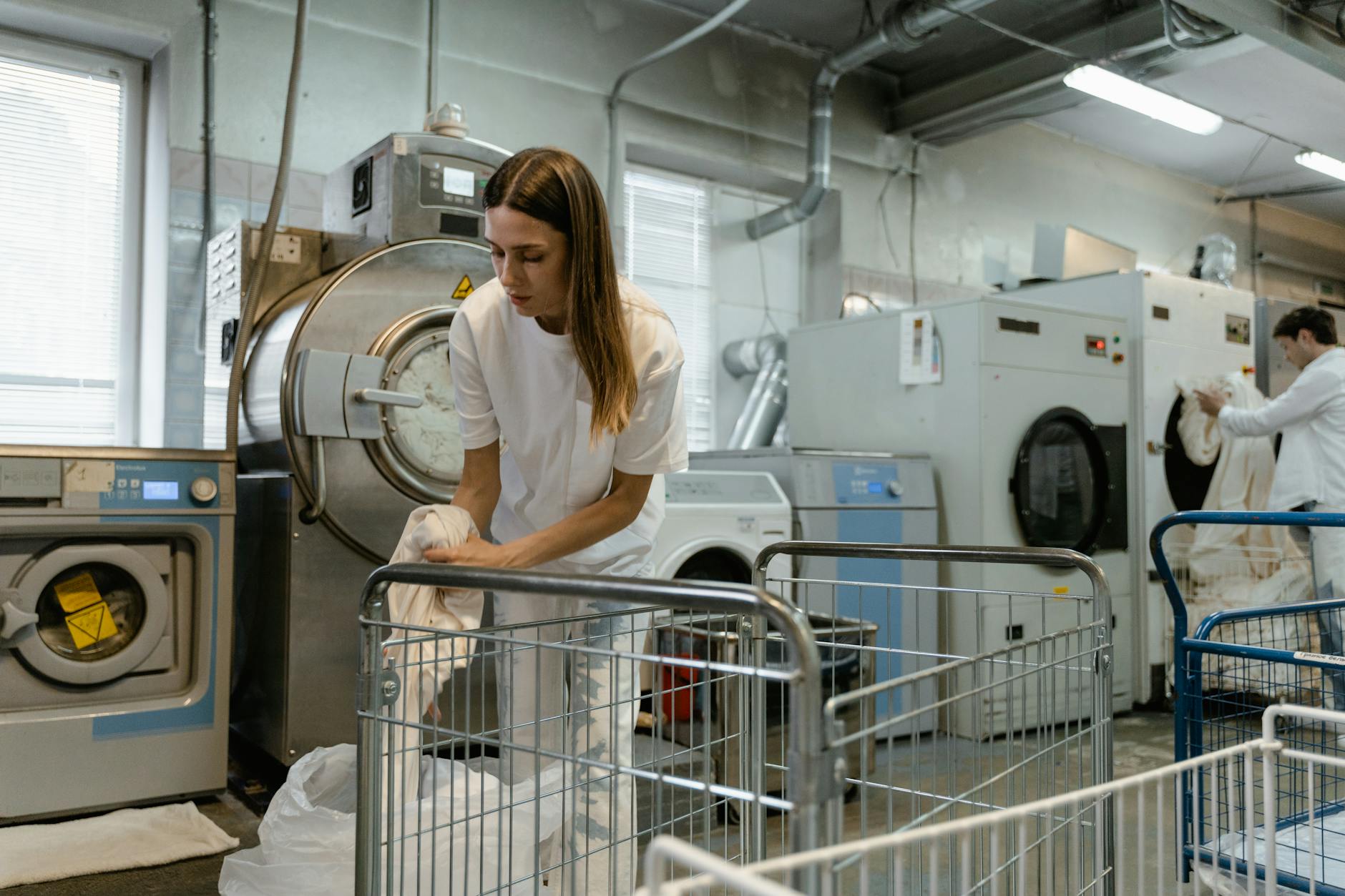
Cleaning the Door Gasket, Drain Filter, and Other Hidden Moisture Traps
The rubber door gasket is where mold colonies establish first and often resist basic cleaning. Remove any visible lint or debris by hand, then soak the gasket with a 50/50 vinegar-and-water solution and let it sit for 30 minutes before scrubbing with an old toothbrush or soft-bristled brush.
The drain filter at the bottom of many machines should be removed and rinsed thoroughly—this small opening frequently traps lint and detergent residue that ferments and creates odor. For example, on a front-loader, you’ll typically find a small door at the base; twist out the drain plug, empty the water and debris into a bucket, rinse the filter under running water, and replace it. The trade-off of thorough gasket and filter cleaning is that it requires 20-30 minutes of hands-on work compared to the 5-minute effort of pouring vinegar into a cycle, but this targeted approach prevents the smell from returning as quickly as a vinegar-only method.
Preventing Future Mildew Growth Through Drying and Ventilation Habits
The single most important prevention measure is leaving the washing machine door open between uses for at least 12 hours after each wash, allowing internal moisture to evaporate. This costs nothing and eliminates the stagnant, humid environment where mold thrives.
Additionally, run a short empty hot water cycle once per week or monthly—users who do this report that mildew smell rarely develops. A warning: if you live in a humid climate and leave the door open but mold smell returns within a month, your machine may have a drainage problem or air circulation issue inside the cabinet itself, meaning condensation is accumulating faster than it’s evaporating. In such cases, running a cleaning cycle every 2-3 weeks becomes necessary rather than optional, and you should have a technician inspect the machine for internal rust, blocked drainage, or failed seals that allow moisture to pool.

What to Do When the Smell Persists Despite Multiple Cleaning Attempts
If the mildew odor remains after several commercial cleaning cycles or repeated vinegar treatments, the problem has likely moved beyond surface mold into the machine’s internal plumbing or between the drum and tub where you cannot easily reach. Some manufacturers sell internal cleaning solutions specifically for this—for example, GE and Whirlpool have machine cleaning tablets that dissolve buildup in hard-to-reach passages. At this point, you have two realistic options: invest in a professional machine cleaning service (typically $100-$300), which uses specialized equipment to flush internal passages, or accept that the machine may require replacement if it’s more than 8-10 years old.
When to Consider Machine Replacement Versus Continued Maintenance
A washing machine that persistently smells even after professional internal cleaning may have seal or drainage system failures that indicate the machine is nearing the end of its lifespan. Replacement machines are available at every price point, and modern machines with updated seal designs and improved drainage are significantly less prone to mildew problems than older models. However, if the machine is relatively new (under 5 years) and the smell has just started, aggressive prevention habits—always leaving the door open and running monthly clean cycles—will almost certainly resolve the issue and extend the machine’s useful life by years.
Conclusion
Washing machine mildew smell is caused by mold and bacteria thriving in moisture-rich environments, particularly in rubber seals and drain areas, and is most effectively eliminated by running a cleaning cycle with white vinegar or commercial machine cleaner followed by manual gasket cleaning.
The best prevention strategy costs nothing: simply leave the door open between uses and run an empty hot cycle monthly to allow moisture to evaporate and prevent colonies from establishing. For most households, these practices eliminate the smell permanently and prevent it from returning for months or years.
Frequently Asked Questions
Can I use bleach to clean my washing machine?
Bleach can kill surface mold but is not recommended for regular machine cleaning because it corrodes metal components, fades rubber seals, and leaves residue that can damage fabrics in future loads. Vinegar or commercial machine cleaners are safer and more effective.
How often should I run a cleaning cycle to prevent mildew smell?
Once per month is sufficient for most households, though in very humid climates or for machines left closed regularly, every two weeks may be necessary. Always leave the door open between washes regardless of how often you clean.
Does using more detergent cause worse mold problems?
Yes. Excess detergent leaves residue that feeds mold growth and doesn’t rinse away completely, especially in cold-water cycles. Use the recommended amount or slightly less, particularly with high-efficiency machines.
Is mildew smell in a washing machine harmful to health?
The smell itself is unpleasant but the health risk is low for most people. However, individuals with mold allergies or compromised immune systems may experience respiratory irritation from mold spores released during cycles. Cleaning the machine regularly minimizes this concern.
Can a front-loader and top-loader machines get mildew smell equally?
Front-loaders are more prone to mildew smell because they retain more water in the drum and rubber gasket after cycles. Top-loaders dry more quickly between uses, though they can still develop odor if the door is kept closed or if the machine is used infrequently.