
No, there is no $3,455 federal stimulus check being sent in March 2026. The U.S. government has not approved new stimulus check legislation since 2021. What is actually arriving in bank accounts this month are federal tax refunds from the 2026 tax filing season—not stimulus payments.
The IRS began processing returns in late January 2026, and millions of taxpayers are receiving refunds throughout March, with most EITC and Child Tax Credit payments hitting accounts by March 2, 2026. This article explains what’s really happening with those March payments, where the $3,455 figure comes from, and why this false claim keeps circulating on social media and investment forums. The confusion likely stems from two sources: elevated tax refunds due to recent tax law changes (averaging around $3,167 last year with increases expected for 2026), and ongoing speculation about President Trump’s unfinalized “Tariff Dividend” proposal of $2,000 per American. However, the Tariff Dividend remains an unenacted proposal, and a February 2026 Supreme Court ruling significantly complicated its prospects by limiting presidential tariff authority.
Table of Contents
- Why the $3,455 Stimulus Check Claim Is Spreading Now
- What Americans Are Actually Receiving in March 2026
- The “Tariff Dividend” Proposal and Its Uncertain Status
- How to Distinguish Tax Refunds From Stimulus Checks
- Why False Stimulus Announcements Keep Circulating
- What the Supreme Court Ruling Means for Tariff-Based Payments
- What to Expect for Taxes and Government Payments in 2026
- Conclusion
Why the $3,455 Stimulus Check Claim Is Spreading Now
The $3,455 figure has been circulating in investing forums and on social media because it represents the anticipated average tax refund increase for 2026—not a stimulus check. According to fact-checkers, last year’s average federal tax refund was $3,167, and analysts expect 2026 refunds to be approximately $1,000 higher due to recent tax code modifications.
This puts the average refund in the $3,455 to $4,167 range, which is where the specific number originates. The problem occurs when people conflate tax refunds with stimulus checks, two entirely different payments with different origins and eligibility criteria. This confusion gets amplified because legitimate news about IRS deposits in March gets repackaged as “stimulus check” clickbait on social media. A taxpayer who is eligible for the EITC (Earned Income Tax Credit) or Child Tax Credit might see a larger-than-expected refund and assume it’s a new government stimulus, not realizing it’s simply their annual tax refund adjusted for changes in the tax code. The distinction matters for anyone counting on government payments: a tax refund is money you earned and overpaid in taxes; a stimulus check is a new government payment to boost spending.
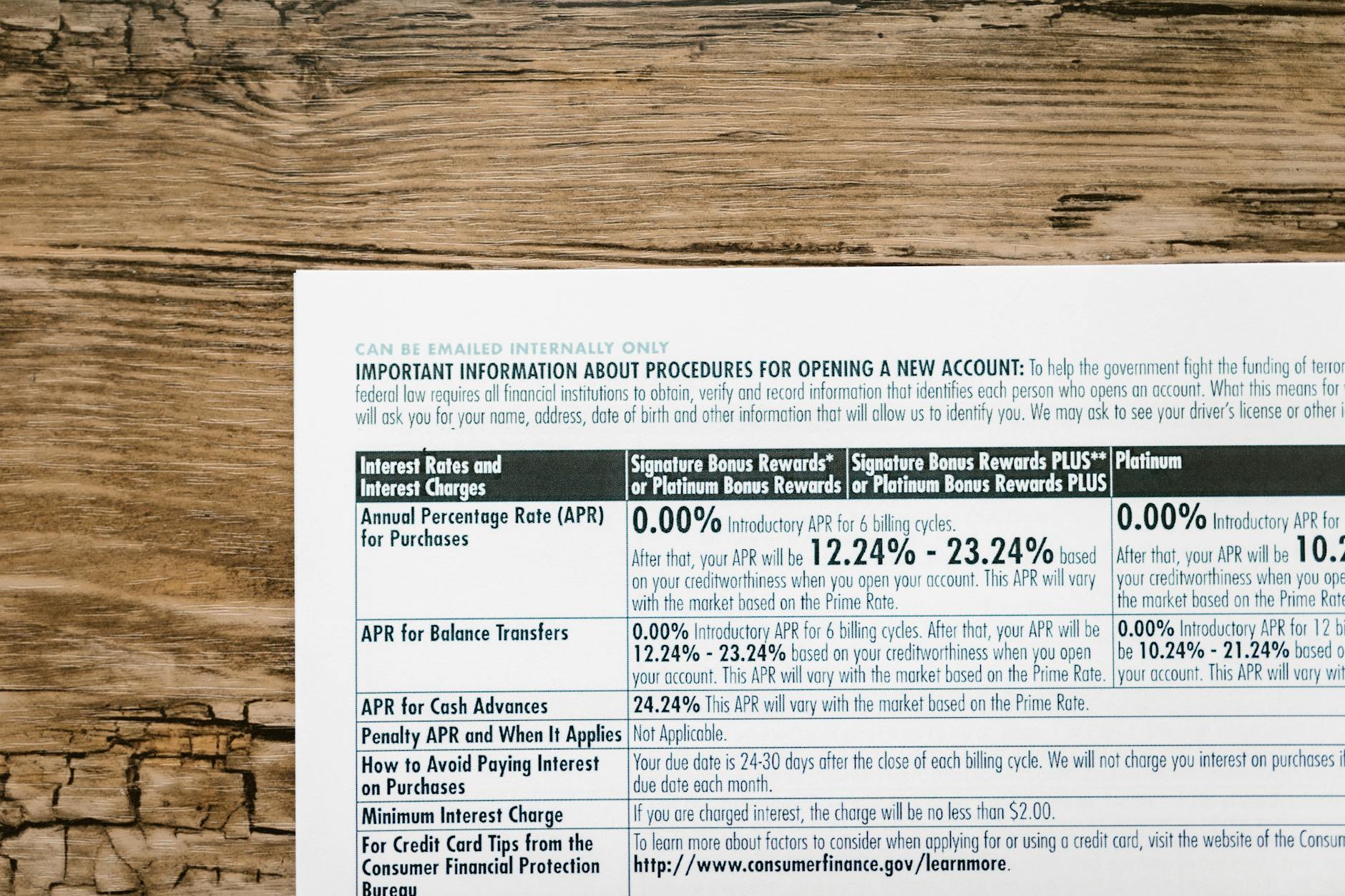
What Americans Are Actually Receiving in March 2026
The payments arriving in March are federal income tax refunds processed during the 2026 filing season. The IRS scheduled expedited processing for returns claiming the EITC and Additional child tax Credit, with direct deposits targeted for March 2, 2026, for early filers. Standard refunds without these credits continued processing throughout the month. This timeline is consistent with prior years and is not unusual—it’s the annual tax season, not a The “Tariff Dividend” Proposal and Its Uncertain Status
President Trump has proposed sending Americans $2,000 funded by tariff revenue, a plan sometimes referred to as the “Tariff Dividend.” Unlike stimulus checks from 2021 and earlier, which were enacted through congressional legislation and distributed on a set timeline, the Tariff Dividend remains an unfinalized proposal with sparse details. No distribution date has been announced, no legislation has been passed, and the mechanics of the payment (who qualifies, how much each person receives, when it would happen) remain undefined. The viability of this proposal took a significant hit on February 20, 2026, when the Supreme Court ruled 6-3 that the president lacked the authority he had asserted to impose broad tariffs. This ruling substantially constrains any tariff-based revenue scheme and complicates the prospects for a tariff dividend policy. Without the ability to implement tariffs as originally envisioned, there is no clear funding mechanism for the $2,000 payment. The proposal may be revised, redirected, or abandoned entirely—it is not a confirmed payment program. Tax refunds and stimulus checks have different origins and eligibility requirements. A tax refund occurs when you’ve paid too much in federal income tax throughout the year via payroll withholding or estimated taxes. When you file your return, the IRS calculates your actual liability, subtracts what you’ve already paid, and sends back the difference. The amount varies based on your income, deductions, credits, and withholding choices. Stimulus checks, by contrast, are direct government payments approved by Congress to all (or most) Americans, with a fixed amount per person or family, regardless of whether you owe taxes or filed a return. To check whether you have a refund coming in 2026, use the IRS “Where’s My Refund” tool on IRS.gov and enter your SSN, filing status, and the exact refund amount from your tax return. This tool provides real-time status. If you’ve received a March deposit but never filed a 2026 return, something is unusual—contact the IRS or check your bank’s transaction details carefully, as scams sometimes use the names of government agencies to send fraudulent transfers. The repeated waves of false stimulus check rumors reflect a pattern: every time the IRS sends out a large batch of refunds, social media fills with claims of a “new stimulus.” This happens partly because legitimate tax refunds are often large, especially for families with multiple children claiming tax credits. A refund of $3,000 to $4,000 looks like a government payment, and people naturally wonder if it’s something special. Additionally, investment forums and financial websites sometimes use “stimulus” language to describe any government payment, which blurs the distinction. The misinformation is also sustained by the fact that genuine government stimulus proposals do occasionally emerge. Trump’s Tariff Dividend proposal, for instance, created a factual basis for speculation. When a credible proposal exists—even an unfinalized one—scammers and clickbait sites exploit it by claiming it’s already being sent out. The combination of large March refunds, the Tariff Dividend proposal, and social media amplification creates a perfect storm for repeated false claims. The Supreme Court’s February 2026 decision limiting the president’s tariff authority raises serious questions about whether a tariff-funded payment program can proceed as originally proposed. If the executive branch cannot unilaterally impose the broad tariffs that would fund such a payment, Congress would need to enact legislation specifically authorizing tariffs and appropriating funds for a payment program. This is a substantially higher bar than an executive action and would require congressional deliberation, amendments, and votes. For investors and taxpayers awaiting clarity: the Tariff Dividend, if it happens at all, is likely months or years away and would require new legislation. It is not a payment program currently in motion. The February Supreme Court ruling makes this even less certain, as it removed one of the original paths the administration might have pursued to fund such a proposal. As of March 2026, the only large-scale government payments reaching American bank accounts are tax refunds. These are legitimate, expected, and based on your actual tax liability. If you’re expecting a refund, you can track it with the IRS tool. If you receive a refund larger than usual, it’s likely due to recent tax code changes or newly claimed credits (such as the Child Tax Credit or EITC if you recently became eligible). Moving forward, any genuine new stimulus or government payment program would be announced through official IRS and Treasury channels, would require congressional action, and would be reported by credible news outlets before being distributed. Until such an announcement is made through official channels, claims of new stimulus checks should be treated as unverified. For investors focused on market impact, note that any new stimulus-type payment would be inflationary pressure and could influence Fed policy and equity valuations—so official announcements matter. The $3,455 stimulus check claim circulating in March 2026 is false. What’s actually arriving in bank accounts this month are federal tax refunds from the 2026 filing season, adjusted upward due to recent tax law changes. The IRS processed returns beginning in late January 2026, with targeted deposits for EITC and Child Tax Credit recipients hitting accounts by March 2. The $3,455 figure represents the projected average refund for 2026, not a new stimulus payment from the federal government. No stimulus checks have been authorized by Congress since 2021. The only government payment proposal that might superficially resemble a stimulus is the Tariff Dividend—a $2,000 per American payment funded by tariff revenue. However, this remains an unfinalized proposal without legislation, no distribution timeline, and significantly less viable after the Supreme Court’s February 2026 ruling limiting presidential tariff authority. Until and unless Congress passes specific legislation authorizing a new government payment program, the only large payments reaching Americans in 2026 are tax refunds. Verify your own refund status using the IRS tool and be skeptical of social media claims about emergency government payments.
How to Distinguish Tax Refunds From Stimulus Checks
Why False Stimulus Announcements Keep Circulating

What the Supreme Court Ruling Means for Tariff-Based Payments
What to Expect for Taxes and Government Payments in 2026
Conclusion
You Might Also Like