
No. As of March 2026, there is no authorized federal program sending $2,375 to all states or all citizens. This is a false claim that has circulated repeatedly across social media, email, and text messages—yet it has no basis in actual legislation or government policy. If you’ve seen posts, emails, or ads claiming that such a payment is being released to all states, you’re encountering either misinformation or an outright scam designed to steal your personal information.
This claim typically resurfaces during times of economic uncertainty or political change, when people are hoping for financial relief. The rumor gained fresh traction in 2026 amid discussions about tariff-related payments, which has created fertile ground for confusion. To understand what’s real, what’s false, and most importantly how to protect yourself, we need to separate verified facts from speculation and hype. In this breakdown, we’ll examine why this $2,375 claim is false, what’s actually happening with federal payments, how scammers are exploiting these rumors, and which government benefits you may actually be entitled to receive.
Table of Contents
- Congress Has Not Authorized Any $2,375 Payment Program
- The Tariff Dividend Speculation—Why It’s Not the Same as a $2,375 Payment
- Scammers Are Using This Rumor to Steal Your Information
- How to Verify If a Payment Claim Is Legitimate
- What Federal Payments Actually Are Being Distributed Right Now
- Why These Rumors Keep Resurfacing
- Moving Forward—How to Stay Informed Without Falling for Rumors
- Conclusion
Congress Has Not Authorized Any $2,375 Payment Program
The most important fact is straightforward: Congress has not passed legislation authorizing new stimulus payments in 2026. The last federal economic-impact payments were distributed in 2021 as part of pandemic relief efforts. Those checks are long gone, and no new across-the-board payment program has been enacted since then, despite what you may have read online. When government programs are created, they require congressional approval, appropriated funding, and official announcements from federal agencies like the IRS, Social Security Administration, or Treasury Department.
Legitimate payments don’t spread as rumors first and get announced by officials later. They’re announced through official government channels with clear eligibility criteria, payment timelines, and application procedures. The absence of any official announcement from these agencies is itself evidence that no such program exists. The confusion often stems from the fact that politicians and commentators discuss *proposed* programs during campaign seasons or policy debates. These are ideas being floated, not enacted law. Someone seeing a headline about “Trump Proposes $2,000 Payment” or “Congress Debates New Stimulus” might assume such a program is already active when it’s still just being talked about—or may never become law at all.
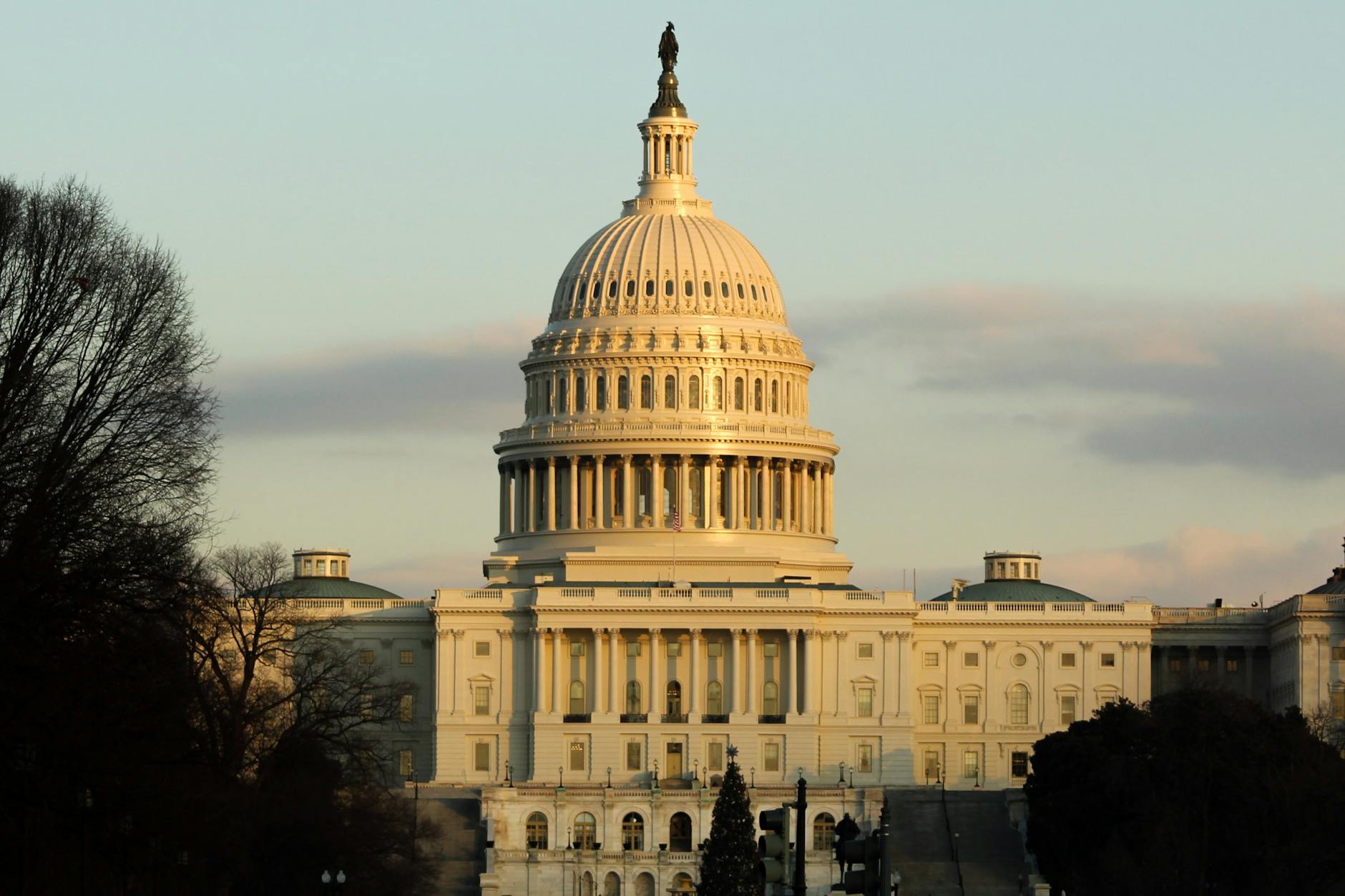
The Tariff Dividend Speculation—Why It’s Not the Same as a $2,375 Payment
Some of the confusion about a $2,375 payment may stem from discussions about tariff-based relief. President Trump has discussed the possibility of returning tariff revenue to citizens as a form of “tariff dividend.” However, this is vastly different from an established $2,375 payment program actually being distributed. As of March 2026, no legislation has been passed to create such a tariff dividend. Proposals for tariff-based payments remain speculative. The Tax Foundation analyzed what a tariff dividend might cost and found that annual payments would range between $279.8 billion to $606.8 billion depending on the tariff structure.
Here’s the problem: the projected tariff revenue often falls far short of what would be needed to fund such payments across the entire population. The math doesn’t work without either massive federal borrowing or cutting other programs, which explains why Congress hasn’t moved forward with it. This distinction matters for your wallet. Speculative policy proposals are not the same as authorized programs. Don’t confuse what a politician said *might* happen with what has actually been legislated and is currently being distributed. If you encounter ads or emails claiming you qualify for a “tariff dividend payment,” it’s either a scam or extremely premature marketing for a program that may never exist.
Scammers Are Using This Rumor to Steal Your Information
The real danger isn’t missing out on a non-existent payment—it’s falling victim to fraudsters who have weaponized these rumors. Scammers understand that financial desperation makes people careless. They exploit the $2,375 rumor by sending fake emails, texts, and creating fraudulent websites that mimic official government agencies. The Better Business Bureau received over 800 complaints about relief-payment scams in fall 2025 alone. These scams typically follow a pattern: a message arrives claiming you’re eligible for a “government relief payment,” asking you to click a link or provide personal information to “verify your identity” or “activate your account.” Once they have your Social Security number, bank account details, or other personal information, criminals use it for identity theft, draining accounts, or selling the data on the dark web.
One common variation asks you to pay a small “processing fee” upfront to release the larger payment. This is a classic advance-fee scam. Legitimate government agencies never charge fees to process benefits you’re eligible for. If anyone is asking you to pay money to receive a government payment, it’s a scam—full stop. The fact that the underlying $2,375 payment doesn’t exist makes it even more dangerous, because victims are essentially being defrauded twice: first through the scam itself, and second by being disappointed when they realize no payment is actually coming.

How to Verify If a Payment Claim Is Legitimate
With so much misinformation in circulation, it’s worth knowing how to spot the difference between genuine government communications and fraudulent ones. The IRS and Social Security Administration have published clear guidance on this. The IRS never initiates contact with you via email, text message, or social media to request payment information or personal details. If you receive an email claiming to be from the IRS asking for your bank account number or Social Security number, it’s not from the IRS—it’s a phishing scam. Legitimate federal payments don’t require application fees or third-party intermediaries.
You don’t need to hire a company or pay a percentage to a processor to claim a benefit you’re entitled to. These are red flags that something is fraudulent. The safest approach is to verify any payment claim directly through official government websites. Go to IRS.gov, SSA.gov, or the official Treasury Department website and search for information about the specific payment program in question. If it’s real, you’ll find official details about eligibility, how much you’ll receive, and when it will be distributed. If you search these official sites and find nothing, that’s your answer—the program doesn’t exist, and any claims about it elsewhere are false.
What Federal Payments Actually Are Being Distributed Right Now
Given that there’s no universal $2,375 payment, you may be wondering whether *any* federal payments are currently being issued. The answer is yes, but they’re much more targeted and specific than a blanket payment to everyone. Social Security benefits actually did increase in January 2026. The Social Security Administration implemented a 2.8% Cost of Living Adjustment (COLA) that affected 75 million Americans receiving Social Security or Supplemental Security Income (SSI). This is a real, verified benefit that went into effect, though it applies only to Social Security recipients—not the entire population. If you receive Social Security benefits, you saw this increase reflected in your January payment, but if you don’t receive Social Security, this doesn’t apply to you.
Another legitimate federal payment being distributed is the $2,000 “Devotion to Duty” bonus for Coast Guard members. However, this is limited to active and retired Coast Guard personnel, not the general public. After taxes, the bonus amounts to approximately $1,776 per recipient. This is a real, congressionally authorized benefit, but it’s narrowly targeted to one federal workforce, not all states or all citizens. The pattern here is important: real federal payments have specific eligibility criteria, limited populations, and official government administration. A payment supposedly going to “all states” or “all citizens” would be one of the largest government outlays in history and would be extensively covered by official government announcements, not spreading as an email rumor.

Why These Rumors Keep Resurfacing
You might be wondering why the $2,375 payment claim persists if it’s so easily disproven. The answer involves how misinformation spreads and what makes certain false claims believable enough to gain traction. The rumor resurfaces because it exploits legitimate concerns about inflation, cost of living, and economic instability. When people are financially stressed, the idea of an unexpected $2,375 payment becomes emotionally compelling. The rumor also benefits from the “just in case it’s true” psychology: if there’s a chance it might be real, it seems rational to click the link or provide the information.
Scammers and misinformation spreaders count on this cognitive bias. Additionally, when politicians discuss *potential* policies like tariff dividends or stimulus proposals, news headlines can be ambiguous enough that casual readers assume programs are already active when they’re still just being debated. Social media algorithms amplify these rumors because they generate engagement. Posts claiming “Free $2,375 from the government!” get shared more often than posts explaining why the claim is false. By the time fact-checks circulate, the original false claim has already reached millions of people. Some of those people never see the corrections, leaving them vulnerable to both misinformation and scams.
Moving Forward—How to Stay Informed Without Falling for Rumors
As we move through 2026 and beyond, more proposals for federal payments will likely emerge. Some may eventually become law; others will remain perpetual campaign promises. The skill of distinguishing between the two becomes increasingly valuable. Your best defense is to establish a habit of verifying claims through official sources before accepting them as true. When you see a headline about a “new government payment,” resist the urge to click immediately.
Instead, visit the official government website for that agency and search for the program by name. If it’s real and you’re eligible, you’ll find the official details there. If you can’t find it on the official site, it’s not real—regardless of how many times you’ve seen it shared. Apply the same skepticism to payment claims that you would to investment tips or financial advice. If it sounds too good to be true, it probably is. And if anyone asks for money or personal information to access a government benefit, run in the other direction.
Conclusion
The $2,375 payment claim is false. No such federal program exists, Congress has not authorized it, and no government agency is distributing it. This is not an unfortunate gap in your income or a missed opportunity—it’s simply a rumor that persists because scammers find it profitable and misinformation spreads faster than corrections.
What’s real right now is the 2.8% Social Security increase for eligible beneficiaries, Coast Guard bonuses for active and retired personnel, and whatever programs are already established in law. If you’re looking for financial relief or potential government benefits, focus on understanding these actual programs and your eligibility for them. Protect your personal information, verify claims through official sources, and remember that legitimate government agencies never charge fees to distribute benefits you’ve earned. Stay informed, stay skeptical, and don’t let rumor-mongers and scammers waste your time or compromise your security.