
No, unemployed workers are not being approved for automatic $1,730 disaster relief payments before Easter or at any other time. This is a false claim and a common scam tactic. There is no federal program—whether run by FEMA, the Department of Labor, or any other agency—that automatically distributes a fixed $1,730 payment to unemployed workers on a set schedule. Scammers use this specific dollar amount and Easter deadline to create artificial urgency and exploit people who are genuinely struggling financially.
The reality is more complicated but important to understand. The U.S. does have legitimate disaster assistance programs, including Disaster Unemployment Assistance (DUA) for people who lose jobs due to declared disasters. But these programs work very differently from the scam claim: they require individual applications, proof of disaster-related job loss, and the payment amounts vary significantly by state and circumstance. This article explains what’s actually legitimate, how scammers weaponize disaster relief to commit fraud, and how to protect yourself.
Table of Contents
- Why There Is No Fixed $1,730 Automatic Disaster Payment
- Understanding How Legitimate Disaster Unemployment Assistance Actually Works
- How Scammers Exploit Legitimate Disaster Relief Concepts
- What Legitimate Unemployment Benefits Actually Look Like in 2026
- Red Flags That Identify Disaster Relief Scams
- If You’ve Already Been Targeted: What to Do Immediately
- Disaster Relief Scams in the Broader Economic Context of 2026
- Conclusion
Why There Is No Fixed $1,730 Automatic Disaster Payment
FEMA explicitly debunks the claim that it provides one-time fixed payments to broad populations. According to FEMA’s official rumor page, the agency does not provide automatic, one-size-fits-all assistance amounts like $500, $750, $1,000, or $1,730. Every disaster assistance application is reviewed individually, and assistance amounts are determined based on documented need and eligible expenses—not a predetermined formula. This matters because scammers rely on the plausibility of “disaster relief” as a concept.
People understand that disasters happen, that the government does help, and that financial assistance exists. What they often don’t realize is that FEMA doesn’t work like a lottery or stimulus payment program. It’s not a fund where everyone in a demographic category automatically qualifies for the same amount. The Department of Labor has documented billions in fraudulent unemployment claims, many of which exploited the confusion about how legitimate assistance actually works during the pandemic and after major disasters. The specific dollar amount of $1,730 is likely chosen because it sounds realistic—high enough to motivate fraud, low enough not to seem obviously fake.

Understanding How Legitimate Disaster Unemployment Assistance Actually Works
Disaster Unemployment Assistance (DUA) is a real federal program that does help workers whose jobs are lost or interrupted due to declared disasters. However, the process is nothing like the scam claim. A worker must first experience a documented job loss or interruption due to a specific, presidentially declared disaster. They then apply through their state’s unemployment office—not through a national hotline or automatic system. The state reviews the application, verifies the disaster connection, and if approved, begins paying benefits. The amount varies significantly by state and by individual circumstances.
Hawaii, for example, provides Disaster Unemployment Assistance ranging from $346 to $868 per week for disaster declarations in 2026, depending on the worker’s prior earnings history. These benefits last for up to 26 weeks following the disaster declaration. Connecticut, California, and other states have their own rates. The key point: there is no national $1,730 automatic payment. Instead, eligible workers receive weekly benefits over months, with the total determined by state law and individual circumstances. Benefits require proof of work history, tax returns or wage records, and documentation that the job loss was disaster-related. The application process typically takes weeks, not days or hours.
How Scammers Exploit Legitimate Disaster Relief Concepts
Fraudsters deliberately blur the line between real programs and fake ones, using the existence of DUA and FEMA assistance to make their scams seem credible. The Department of Labor has documented that scammers filed billions in fraudulent unemployment benefits using stolen identities during the pandemic. These same criminal networks now send unsolicited texts, emails, and social media messages claiming that workers are “approved” for disaster relief payments—no application necessary, just confirm your information or click a link to claim your money. This works because the infrastructure of legitimate disaster assistance is real and visible.
When people see a headline about a disaster declaration or hear that Congress approved emergency funding, scammers immediately follow up with false notifications. PBS News reported extensively on how billions in COVID-19 pandemic relief aid was stolen or wasted through unemployment fraud schemes. These same scammers adapted their tactics: instead of claiming pandemic-era benefits, they now claim disaster relief, using whatever disaster happened most recently or whatever emotional trigger makes the message urgent. The $1,730 Easter deadline specifically targets people who are thinking about spring bills, taxes, and financial planning.
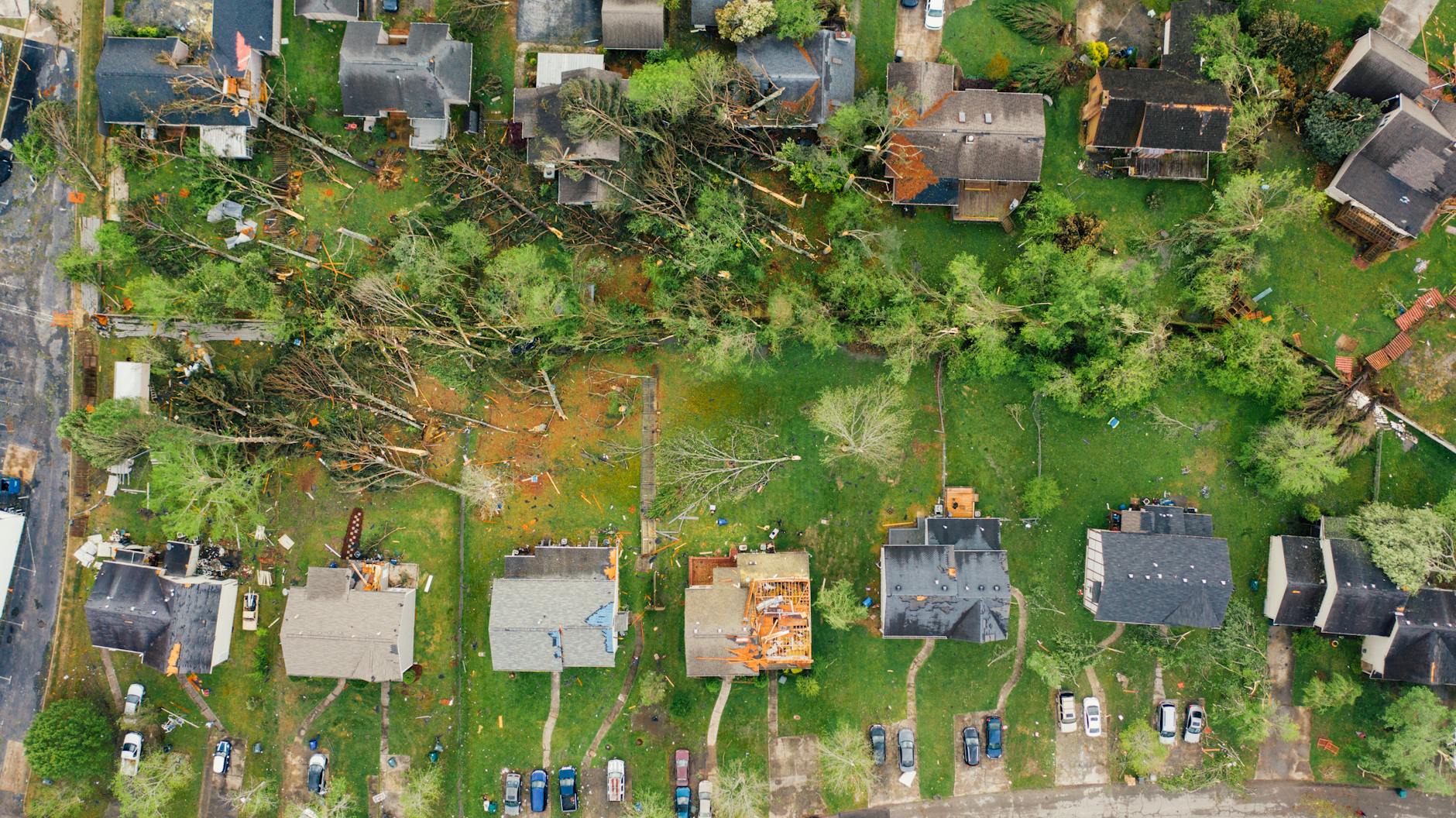
What Legitimate Unemployment Benefits Actually Look Like in 2026
To understand why the $1,730 scam is suspicious, it helps to see what real unemployment payments actually are in 2026. Regular state unemployment insurance (not disaster-related) provides weekly benefits that vary by state. California’s maximum weekly benefit is $450. Nevada’s maximum is $469 per week. New York’s benefit varies based on your earnings history but follows similar patterns.
Importantly, these are weekly amounts, not one-time payments, and they require you to actively apply and demonstrate that you are unemployed and seeking work. There is one recent legitimate payment that scammers might try to reference: President Trump announced the Warrior Dividend, a $1,776 nontaxable payment to approximately 1.28 million active-duty service members as a housing allowance supplement in early 2026. Scammers may try to adapt claims around this to target military-adjacent audiences, but this payment is specifically for active-duty personnel and was announced through official military channels, not unsolicited texts. The comparison matters: legitimate government payments come with official announcements, clear eligibility criteria, and you receive them through your existing government account (bank account for VA benefits, payroll for military) or through official, verifiable application processes.
Red Flags That Identify Disaster Relief Scams
If you receive an unsolicited notification claiming you’re approved for $1,730 disaster relief—or any fixed amount—before you’ve applied, that is a red flag. Legitimate government programs do not work this way. They do not send random approvals. They do not ask you to confirm your information via text or email links. They do not set artificial deadlines like “before Easter” to pressure you into acting quickly. Another red flag: the message includes a link or phone number to “claim your money.” Scammers create urgency by making it seem like you must act immediately or lose the benefit.
If you receive such a message, stop and verify it independently. Never click links in unsolicited messages claiming to be from FEMA or the Department of Labor. Instead, go directly to the official websites: FEMA.gov or DisasterAssistance.gov, or contact FEMA’s official number (1-800-621-3362) using your phone to dial the number yourself—do not use a number provided in the message. Call your state’s unemployment office using the phone number listed on the official state website, not any number mentioned in an unsolicited message. This step prevents scammers from routing your call to a fake agency. Legitimate government workers will never pressure you to provide passwords, social security numbers, or banking information over the phone or via text.

If You’ve Already Been Targeted: What to Do Immediately
If you clicked a link, provided personal information, or responded to a disaster relief scam, act quickly. First, check your actual unemployment benefits account directly by logging into your state’s official unemployment website using the website address you know is correct, not a link from any message. Look for any unauthorized activity or pending claims. Second, if the scammer obtained your Social Security number or financial information, place a fraud alert with the major credit bureaus (Equifax, Experian, TransUnion) and consider a credit freeze. This costs nothing and prevents scammers from opening credit accounts in your name.
Third, report the scam. File a complaint with the Federal Trade Commission at ReportFraud.ftc.gov. Report the phone number or email address to the actual agency it was impersonating (FEMA or your state’s Department of Labor). If the scam involved a text, email, or social media message, report it to the platform as well. If you’ve already provided banking information or sent money, contact your bank immediately and file a dispute. Do not ignore it or wait. Bank fraud departments move quickly to freeze accounts and reverse fraudulent charges if you report within specific timeframes.
Disaster Relief Scams in the Broader Economic Context of 2026
Disaster relief fraud is increasing in 2026 partly because economic uncertainty makes people more susceptible to the promise of easy money. When unemployment is rising in certain sectors, when people are anxious about bills and rent, when a major weather disaster makes headlines, scammers know there is an audience primed to believe that government help might come their way. The “Easter before” deadline in this particular scam is a seasonal variation—scammers will update the deadline to whatever holiday is approaching, making the claim feel timely and relevant.
Looking forward, expect disaster relief scams to continue evolving. Scammers will reference actual disaster declarations, new state laws, or changes to unemployment rules to make their false claims seem credible. Your best protection is knowing that legitimate disaster assistance always requires you to apply, that approval takes time, that amounts vary, and that you should never trust unsolicited messages claiming you’ve been pre-approved for specific dollar amounts. Government programs are not in the business of surprising people with free money via text message.
Conclusion
The $1,730 disaster relief payment before Easter is not real. It is a scam that exploits legitimate government programs and people’s real financial struggles. FEMA does not provide fixed automatic payments, and Disaster Unemployment Assistance—though real—works through individual applications, state-specific benefit amounts, and a process that takes weeks.
If you see this claim, it is a fraud attempt designed to steal your personal information or money. Protect yourself by understanding how legitimate assistance actually works, never clicking links in unsolicited messages about government benefits, verifying directly with official agencies using numbers you find yourself, and reporting suspected fraud immediately. If you’ve been targeted, act quickly to check your accounts, place fraud alerts, and report to the FTC. Knowing the difference between real programs and scams is your strongest defense.
You Might Also Like
- Fact Check: Are Blue-Collar Workers Approved For a $560 Emergency Deposit Before April 15? No. Here’s What’s Real.
- Fact Check: Are WIC Recipients Approved For a $4,450 Direct Relief Deposit Starting Today? No. Here’s What You Need to Know.
- Fact Check: Are Single Parents Entitled To a $960 Closing Cost Refund Before Easter? No. Here’s the Truth.