
No, the U.S. government is not offering $6,780 relief payouts to taxpayers in 2026. This is a scam, pure and simple. Despite claims circulating on social media, TikTok, Facebook, and email that frame this as an official government program, there is no such federal relief payout. The IRS has not announced it, Congress has not authorized it, and no agency is distributing it.
If you’ve seen these claims, you’re looking at a scheme designed to steal your personal information, banking details, or both. This article explains why this scam exists, how it spreads, what IS actually happening with tax relief in 2026, and how to protect yourself. The “$6,780 relief payout” scam preys on legitimate frustration with taxes and the false hope that the government might send free money. Scammers exploit the fact that some Americans do receive larger tax refunds or legitimate tax benefits, then weaponize that reality into a lie. They bundle this false claim with promises of quick money or vague references to recent legislation to make it sound official. This is a repackaging of an older “$6,400 subsidy” scam that circulated widely on social media and continues in various forms.
Table of Contents
- Why No $6,780 Federal Relief Payout Exists in 2026
- The $6,400 Scam and Related Schemes Spreading Across Social Media
- What IS Actually Happening With Tax Relief in 2026
- How Scammers Distribute the False $6,780 Relief Claims
- Red Flags That Expose Tax Relief Scams
- How to Verify Legitimate Tax Information and Protect Your Data
- The Broader Context of Tax Season Scams in 2026
- Conclusion
Why No $6,780 Federal Relief Payout Exists in 2026
The most straightforward fact: there is no legislation, no announced program, and no government agency distributing $6,780 relief checks in 2026. Congress has not passed any law authorizing direct payments of this amount. The last major federal stimulus checks were issued in 2021 as part of pandemic relief efforts. Since then, despite various proposals and political rhetoric, no new broad-based stimulus payment programs have been enacted into law.
If such a program existed, it would require congressional authorization, appropriated funds, and coordination between the Treasury Department and the IRS. The IRS would announce this officially on irs.gov, major news outlets would report it, and you would likely hear about it through official channels before seeing it on social media. Instead, what you see are organic shares, retweets, and viral claims with no official backing whatsoever. The absence of official confirmation is your first red flag.

The $6,400 Scam and Related Schemes Spreading Across Social Media
A similar but slightly different scam has been circulating for years, claiming the government is offering $6,400 to every American. This is completely false, yet it persists because social media algorithms amplify it and people share it without verification. The “$6,400 subsidy” scheme often falsely attributes the offer to government officials or frames it as a hidden benefit that most Americans don’t know about. This creates false urgency and exclusivity—two classic scam tactics.
What makes these scams particularly dangerous is their adaptability. The dollar amount changes ($6,400 one month, $6,780 another), the framing changes (stimulus, relief, tax credit, subsidy), but the core lie remains: the government is sending free money, and you just need to claim it. However, if you encounter these claims from anyone other than the official IRS website or a direct communication from the IRS, you should treat them as suspicious immediately. Even official-looking emails or texts can be phishing attempts designed to trick you into entering personal information on a fake website.
What IS Actually Happening With Tax Relief in 2026
So what’s real? Due to the One Big Beautiful Bill Act, many taxpayers may receive $300 to $1,000 larger tax refunds in 2026 when they file their 2025 tax returns. This is not a direct government payout or stimulus check—it’s a change to how taxes are calculated and withheld. The difference shows up in your refund amount, not as a separate payment. This is substantial for many households, but it’s fundamentally different from the scam claims. You get this money back through the normal tax filing process, not by clicking a link or entering your The “$6,780 relief payout” claims spread primarily through social media platforms like TikTok, Facebook, and Instagram, where they’re shared organically by both bots and real people who believe them. The algorithm tends to promote viral claims, especially those that trigger emotion (excitement about free money, anger at government, urgency to “claim” something before it’s gone). Email and text message scams also circulate, often with phishing links that look superficially like official IRS communications. A common variation includes a fake “news article” screenshot or claims that certain politicians have approved the program. Some scams target specific demographics (seniors, veterans, low-income families) by claiming the relief is meant for them specifically. The tradeoff for scammers is clear: if even a tiny percentage of people who see the claim click the link and enter their information, they’ve compromised identity information they can sell or use for fraud. You might lose access to your bank account, have your identity stolen, or fall victim to tax fraud filed in your name. Several warning signs should immediately raise your suspicion. First, any claim of a government benefit that doesn’t come from the official IRS (irs.gov), your tax professional, or legitimate news sources is suspect. Second, requests for your Social Security number, bank account information, or personal details via email, text, or social media are always red flags. The real IRS does not contact people this way. Third, promises of speed or special access (“Claim yours before it’s gone,” “Limited time offer,” “You may have unclaimed relief”) are manipulation tactics designed to bypass your critical thinking. Another critical limitation to understand: legitimate government agencies do not advertise benefits through social media ads or viral posts. If the IRS wanted to inform taxpayers about a real program, they would update their official website, hold press conferences, and work with major news organizations. The absence of official IRS communication about a “$6,780 relief payout” is conclusive proof it doesn’t exist. Additionally, if you’ve already filed your taxes or will file them normally, any benefit you’re entitled to will appear in your refund calculation—you don’t need to do anything special or click any link. If you’re unsure about any tax information you see online, use these verification steps. Go directly to the official IRS website (irs.gov) and search for information there, or call the IRS directly at the number listed on irs.gov (not a number from a search result or email). check major, established news outlets for coverage of significant tax programs—if it’s real, outlets like the Tax Foundation, Reuters, and the Wall Street Journal will report it. Never click links in unsolicited emails or texts, even if they look official; instead, navigate to irs.gov independently by typing the URL directly into your browser. An example of verification in action: if you received an email claiming to offer “emergency tax relief,” you would ignore the link, go to irs.gov, search the site for the specific program name, and see if it’s mentioned. For the $6,780 claim, searching irs.gov will return no results because the program doesn’t exist. You can also contact your tax professional or a certified financial advisor to discuss legitimate tax benefits you might be eligible for based on your actual income and situation. The IRS has identified the “$6,780 relief payout” and similar scams as part of its 2026 “Dirty Dozen” tax scams—the most dangerous threats taxpayers face during filing season. Tax season naturally attracts scammers because emotions run high, people are focused on their finances, and the dollar amounts involved in refunds are substantial. Scammers adapt their tactics each year based on what works: last year it was “$6,400,” this year it’s “$6,780,” next year it will be a new number. Looking ahead, expect these scams to continue evolving. Scammers may incorporate AI-generated voices in phone calls, create more convincing fake IRS emails, or use video content on social media to build false authority. The only defense is consistent skepticism: treat any unsolicited claim about government money with suspicion until you’ve verified it through official channels. Education and awareness are your strongest protections against these schemes. The $6,780 “relief payout” is a scam. No such federal program exists, Congress has not authorized it, and the IRS is not distributing it. If you see this claim on social media, in an email, or in a text message, ignore it completely. Do not click any links, do not enter any personal information, and do not respond. Share accurate information with friends and family who might fall for this claim, especially older relatives who may be more vulnerable to convincing-looking scams. What you should do instead: focus on legitimate tax relief. If you’re eligible for tax benefits based on the One Big Beautiful Bill Act, you’ll see them reflected in your tax refund when you file normally through the IRS or a tax professional. Verify all tax information through irs.gov, consult a qualified tax professional, and remember that the real IRS never initiates contact via email, text, or social media. By staying informed and skeptical, you can protect yourself from these scams and ensure your tax information remains secure.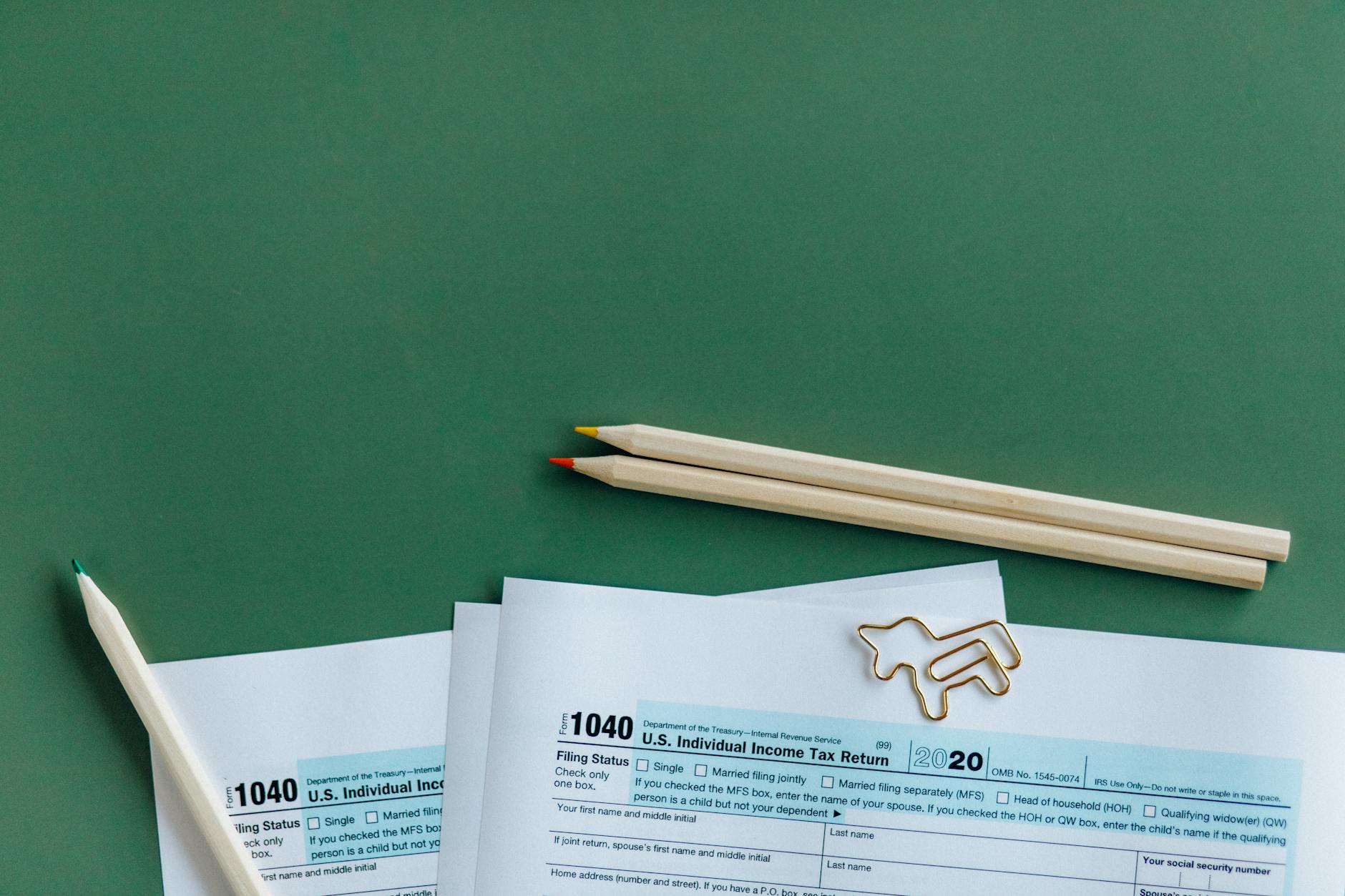
How Scammers Distribute the False $6,780 Relief Claims
Red Flags That Expose Tax Relief Scams
How to Verify Legitimate Tax Information and Protect Your Data
The Broader Context of Tax Season Scams in 2026
Conclusion
You Might Also Like