
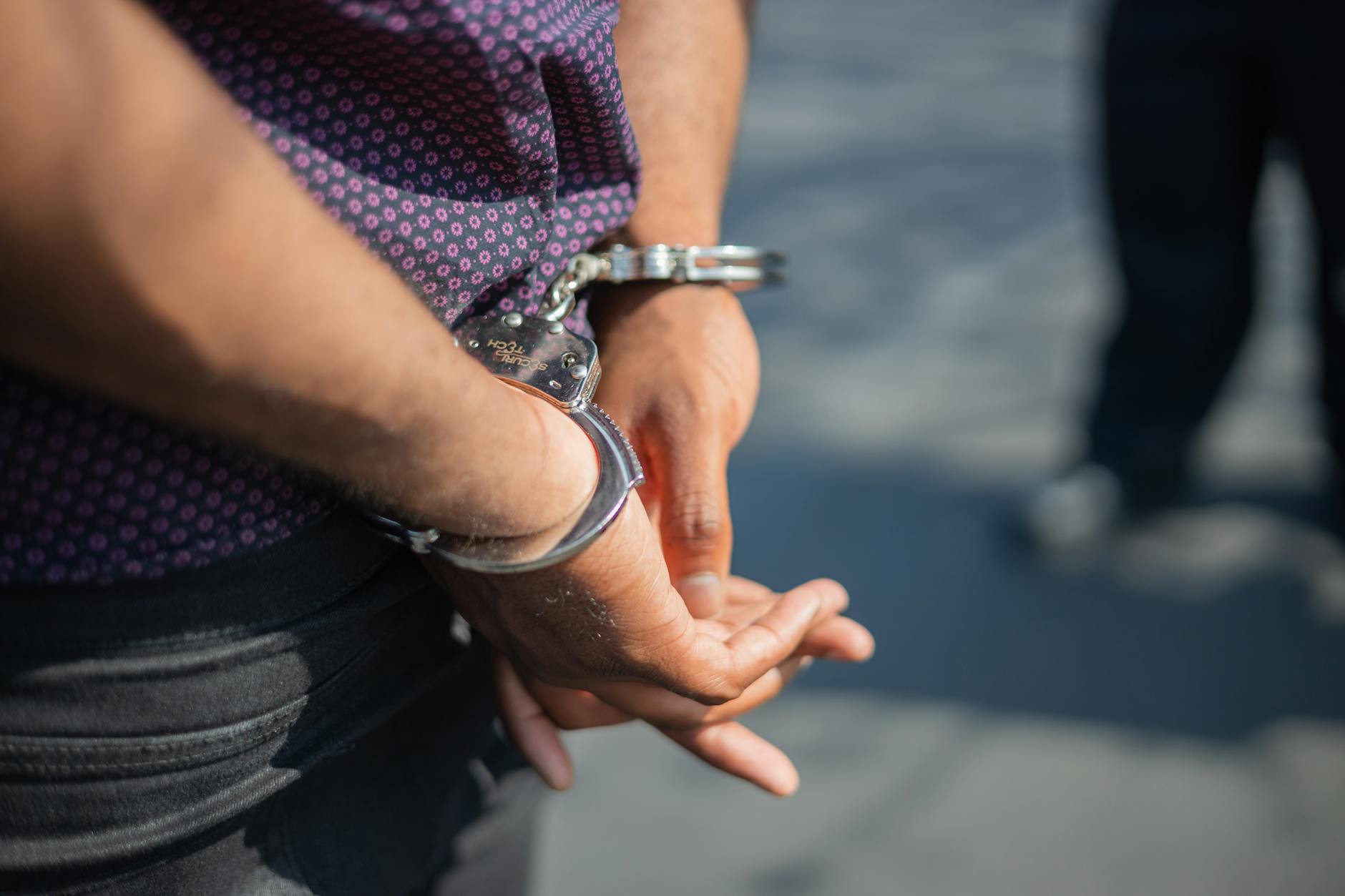
Iran arrested Oscar-nominated screenwriter Mehdi Mahmoudian on January 31, 2026, in Tehran because he signed an open letter with 16 other prominent figures condemning Supreme Leader Ayatollah Ali Khamenei and the regime’s violent crackdown on anti-government protesters. The letter accused Khamenei of authorizing the “mass and systematic killing of citizens” during protests sparked by rampant inflation and a cost-of-living crisis. No formal charges have been announced, and the detention is widely regarded as politically motivated.
This marks approximately the eighth time Mahmoudian has been jailed by Iranian authorities. Mahmoudian co-wrote the screenplay for Jafar Panahi’s film *It Was Just an Accident*, which won the Palme d’Or at the 2025 Cannes Film Festival and is nominated for two Oscars at the 98th Academy Awards scheduled for March 15, 2026. The timing of the arrest, just weeks before the ceremony, has drawn global attention to Iran’s escalating suppression of dissent and its impact on the country’s cultural figures. This article examines the circumstances behind Mahmoudian’s arrest, the broader protest crackdown, the film’s journey to Oscar contention, and what the situation signals about political and economic instability in Iran, a factor that reverberates across energy markets and geopolitical risk assessments that matter to investors.
Table of Contents
- What Led to the Arrest of Oscar-Nominated Screenwriter Mehdi Mahmoudian in Iran?
- The Broader Crackdown Behind the Screenwriter’s Arrest
- The Film That Put a Spotlight on Iran’s Political Prisoners
- What Iran’s Instability Means for Energy Markets and Geopolitical Risk
- The Limits of International Pressure on Iran’s Treatment of Dissidents
- Iran’s Pattern of Targeting Cultural Figures
- What Comes Next for Mahmoudian, the Film, and Iran
- Conclusion
What Led to the Arrest of Oscar-Nominated Screenwriter Mehdi Mahmoudian in Iran?
The proximate cause of Mahmoudian’s arrest was his decision to sign an open letter, alongside 16 other prominent Iranians, that directly challenged the authority and conduct of Supreme Leader Khamenei. The letter did not mince words: it accused the regime of mass and systematic killing of its own citizens during protests that erupted over rampant inflation and a punishing cost-of-living crisis. Among the other signatories were director Jafar Panahi, who is currently abroad, exiled director Mohammad Rasoulof, jailed Nobel Peace Prize laureate Narges Mohammadi, and human rights lawyer Nasrin Sotoudeh. Two additional signatories, Vida Rabbani and Abdullah Momeni, were also arrested alongside Mahmoudian.
The Iranian government has not announced formal charges against Mahmoudian, which follows a familiar pattern. Authorities in Tehran have repeatedly used vague national security justifications to detain critics, artists, and activists without due process. Mahmoudian’s case is notable not only because of the Oscar nomination but because it represents his eighth reported detention by Iranian authorities, a striking illustration of how the regime cyclically imprisons, releases, and re-imprisons dissidents. For comparison, consider that Panahi himself was sentenced last fall to one year in prison and a two-year travel ban on charges of “propaganda activities against the system.” The director has publicly stated he intends to return to Iran despite the sentence. The willingness of these cultural figures to continue speaking out, knowing the consequences, underscores how deeply the frustration with the regime runs among Iran’s intellectual and artistic class.
The Broader Crackdown Behind the Screenwriter’s Arrest
Mahmoudian’s detention is not an isolated incident but part of a sweeping campaign by Iranian authorities to silence opposition. According to the U.S.-based Human Rights Activists News Agency, more than 6,713 people have been killed and 49,500 detained in the Iranian government’s crackdown on recent protests. These numbers are staggering and reflect a government willing to use lethal force on a massive scale to maintain its grip on power. The protests themselves were driven by economic grievances that have direct relevance for investors watching the region. Rampant inflation and a cost-of-living crisis pushed ordinary Iranians into the streets, and the government’s response was to escalate violence rather than address the root causes.
This dynamic creates a feedback loop of instability: economic mismanagement fuels unrest, which triggers repression, which further damages the economy by driving away talent, investment, and international goodwill. However, it is important to note that the scale of the crackdown does not necessarily mean the regime is on the verge of collapse. Authoritarian governments can sustain repressive campaigns for extended periods, particularly when they control energy revenues. Investors should be cautious about assuming that internal protests will translate into regime change or sudden shifts in Iranian oil policy. The situation is fluid, and the regime has demonstrated a willingness to absorb international condemnation without altering its domestic behavior.
The Film That Put a Spotlight on Iran’s Political Prisoners
The film at the center of this story, *It Was Just an Accident*, has its own remarkable backstory that intertwines art and political persecution. Panahi and Mahmoudian first met in prison in 2022 and spent seven months together behind bars. That shared experience of incarceration became the foundation for a creative collaboration that produced a Palme d’Or winner and a double Oscar nominee. The film is nominated for Best International Feature and Best Original Screenplay at the 98th Academy Awards.
At the National Board of Review Awards in New York, Panahi delivered a blunt assessment of the country that imprisoned both him and his co-writer. He called Iran a “failed state,” elaborating that it had failed “politically, ideologically, economically, culturally and environmentally.” He added that “the Islamic Republic has caused a bloodbath to delay its collapse.” These are not the words of a dispassionate observer but of an artist who has repeatedly faced the consequences of his criticism and continues to speak. The Oscar nominations have amplified the story in ways the Iranian government likely did not anticipate. Arresting Mahmoudian days before the global spotlight falls on the film has turned what might have been a quiet detention into an international news story. This is a pattern seen before with Iranian cinema: the regime’s hostility toward its own filmmakers paradoxically increases their global visibility and the moral weight of their work.

What Iran’s Instability Means for Energy Markets and Geopolitical Risk
For investors, Iran’s internal turmoil matters primarily through two channels: energy markets and broader Middle Eastern geopolitical risk. Iran holds the world’s fourth-largest proven oil reserves and second-largest natural gas reserves. Any escalation in internal instability that threatens production or export capacity can move global energy prices, particularly in an environment where supply is already constrained by OPEC+ agreements. The tradeoff for markets is between short-term disruption risk and longer-term regime resilience. On one hand, a government that is killing thousands of its own citizens and arresting cultural figures is one that faces genuine legitimacy challenges.
On the other hand, Iran has maintained authoritarian control through decades of sanctions, protests, and international pressure. The regime’s oil revenues, while diminished by sanctions, still provide a financial cushion that insulates it from the kind of fiscal collapse that has toppled other governments. Investors in energy-related equities, Middle Eastern ETFs, or companies with supply chain exposure to the Persian Gulf should monitor the situation without overreacting to individual arrests. The structural risk is real but slow-moving. What would change the calculus significantly is any sign that the military or Revolutionary Guard is fracturing, which has not been reported. Until that happens, the regime is likely to persist in its current form, repression and all.
The Limits of International Pressure on Iran’s Treatment of Dissidents
International condemnation of Mahmoudian’s arrest has been swift but faces familiar limitations. Western governments, human rights organizations, and the global film industry can draw attention to the case, but they have limited direct leverage over Tehran’s domestic behavior. Sanctions have been in place for years and have not prevented the regime from detaining artists, journalists, and activists. One significant limitation is that the very isolation caused by sanctions reduces the number of economic and diplomatic levers available. When a government is already heavily sanctioned, the marginal impact of additional measures diminishes.
The European Union and the United States have condemned Iran’s human rights record repeatedly, but these statements have not translated into changes in Iranian policy regarding political prisoners. The regime appears to have calculated that the domestic cost of allowing dissent outweighs the international cost of suppressing it. A warning for those who assume the Oscar ceremony itself will create meaningful pressure: while the global audience for the Academy Awards is large, the Iranian government has shown it is willing to absorb reputational damage. In previous years, Iranian filmmakers like Asghar Farhadi have won Oscars while the regime continued to imprison artists and activists. The symbolic power of cinema should not be confused with political power, at least not in the near term.

Iran’s Pattern of Targeting Cultural Figures
The arrest of Mahmoudian fits a well-documented pattern of the Iranian government targeting artists, filmmakers, writers, and intellectuals who challenge the regime. Panahi himself has been banned from filmmaking and travel multiple times. Mohammad Rasoulof, another signatory of the open letter, was forced into exile. Narges Mohammadi, a Nobel Peace Prize laureate who also signed, remains jailed.
These are not fringe figures but some of Iran’s most internationally recognized citizens. This pattern creates a brain drain that compounds Iran’s economic problems. When a country systematically punishes its most talented and globally connected citizens, it accelerates the flight of human capital. For a nation already struggling with inflation and economic mismanagement, the loss of cultural and intellectual talent is a slow-burning economic wound that does not show up in quarterly data but erodes long-term competitiveness and social cohesion.
What Comes Next for Mahmoudian, the Film, and Iran
The immediate question is whether Mahmoudian will be released before the March 15 Oscar ceremony or whether the Iranian government will use his detention as a statement of defiance against international criticism. History suggests the regime is unpredictable on timing: sometimes it releases high-profile prisoners to relieve pressure, and sometimes it digs in precisely when the world is watching.
Looking further ahead, Iran’s trajectory points toward continued instability. A government that its own prominent citizens describe as a “failed state” and that has killed thousands of protesters is not one that inspires confidence in economic reform or political liberalization. For investors, this means that Iran-related geopolitical risk is likely to remain elevated, energy market exposure to the Persian Gulf continues to carry a premium, and the human cost of the regime’s survival strategy will keep drawing global attention, particularly when it intersects with events as visible as the Academy Awards.
Conclusion
Iran arrested Oscar-nominated screenwriter Mehdi Mahmoudian because he publicly challenged the regime’s authority by signing a letter that accused Supreme Leader Khamenei of authorizing the mass killing of citizens. The arrest, his eighth detention, is part of a broader crackdown that has killed more than 6,713 people and detained 49,500, according to human rights monitors. The timing, weeks before the 98th Academy Awards where his film *It Was Just an Accident* is nominated for two Oscars, has magnified international scrutiny of Iran’s treatment of dissidents.
For investors, the key takeaway is that Iran’s internal instability is structural, not episodic. The combination of economic mismanagement, mass repression, and the systematic targeting of the country’s cultural and intellectual class points to a regime that is sustaining itself through force rather than legitimacy. This has implications for energy market risk, regional geopolitical stability, and the long-term investment outlook for anything connected to the Persian Gulf. The story of Mahmoudian and Panahi is a human one, but the forces driving it are economic and political, and they are not going away.