
The latest snow accumulation maps for the Midwest show a historic January 2026 winter storm has deposited up to 13 inches of snow across Indiana, Illinois, Kentucky, and Missouri as of the morning of January 25, with southern Indiana receiving projections of 12 to 18 inches total. This storm system represents one of the most significant winter weather events in recent memory, prompting emergency declarations across 23 states plus Washington D.C., and leaving over one million customers without power nationwide. For investors monitoring weather-sensitive sectors””from energy utilities to agricultural commodities and retail operations””these accumulation figures translate directly into earnings impacts, supply chain disruptions, and trading opportunities. The scope of this storm extends well beyond typical seasonal snowfall.
Over 200 million Americans currently face winter storm threats, with dangerous conditions forecast across 35 states. Kansas has seen 6 inches accumulate in Hays alone, while Michigan’s Thumb region expects 2 to 5 inches in Huron and Sanilac Counties. Perhaps more concerning for infrastructure and energy demand, wind chill readings in the Northern Plains and Upper Midwest have plunged to negative 50 degrees Fahrenheit or lower, with parts of Minnesota and North Dakota reporting conditions exceeding 50 degrees below zero. This article examines what the current snow accumulation data means for market participants, which sectors face the greatest exposure, and how investors can position portfolios when extreme weather events reshape near-term economic activity.
Table of Contents
- How Does the January 2026 Snow Accumulation Compare to Normal Midwest Levels?
- Energy Demand Surges as Extreme Cold Grips the Northern Plains
- Transportation and Logistics Networks Face Widespread Disruption
- Agricultural Commodities React to Storm Damage Assessments
- Retail and Consumer Spending Patterns Shift During Extended Storms
- Insurance Claims and Utility Restoration Costs Mount
- What the Snowpack Data Suggests for Spring Economic Activity
- Conclusion
How Does the January 2026 Snow Accumulation Compare to Normal Midwest Levels?
Michigan’s current snowpack stands at 133 percent of normal levels, providing a useful benchmark for understanding how this winter deviates from historical patterns. The deepest snowpack in the state sits at Painesdale with 48 inches on the ground, which itself represents 101 percent of normal for late January. These figures suggest that while the current storm is severe, the broader winter season has tracked above average without reaching truly unprecedented territory until now. The distinction matters for agricultural interests and water resource planning.
Above-normal snowpack typically benefits spring soil moisture conditions, supporting crop projections for corn and soybean producers who dominate Midwest acreage. However, rapid accumulation events like the current storm create different challenges than steady seasonal buildup. Flash accumulations stress transportation networks, delay planting preparations, and can damage winter wheat crops if ice layers form beneath snow cover. For comparison, the 13 inches reported across the central Midwest corridor exceeds typical single-storm totals by roughly double in most affected areas. Southern Indiana’s projected 12 to 18 inch range would rank among the top five single-storm events in the past decade for that region, placing significant strain on municipal snow removal budgets and commercial logistics operations.

Energy Demand Surges as Extreme Cold Grips the Northern Plains
The snow accumulation maps tell only part of the story. Wind chill warnings indicating temperatures of negative 50 degrees Fahrenheit across Minnesota and North Dakota create energy demand spikes that ripple through natural gas and electricity markets. Heating degree days””the metric utilities use to forecast residential and commercial heating needs””have surged well above seasonal norms, driving natural gas spot prices higher in regional trading hubs. Power outages affecting over one million customers compound the supply-demand imbalance.
When grid infrastructure fails during extreme cold, customers who regain power often create secondary demand spikes as heating systems work overtime to restore indoor temperatures. This pattern stresses generation capacity precisely when renewable sources like wind and solar may underperform due to icing and reduced sunlight. However, investors should recognize that energy price spikes during acute weather events rarely persist beyond the immediate crisis period. Natural gas storage levels, refinery operations, and pipeline capacity constraints determine whether short-term price movements extend into sustained trends. The current cold snap, while severe, occurs during a winter season when storage inventories have tracked near five-year averages, suggesting limited potential for prolonged supply disruptions absent infrastructure damage.
Transportation and Logistics Networks Face Widespread Disruption
Thousands of flight cancellations and hazardous road conditions across 35 states have effectively halted normal freight movement throughout the Midwest corridor. For publicly traded trucking firms, railroads, and package delivery companies, each day of disrupted operations translates into delayed revenue recognition and potential penalty clauses with contracted shippers. Major carriers including those with significant Midwest hub exposure””think of the Louisville and Indianapolis distribution centers that anchor e-commerce fulfillment””face cascading delays that extend well beyond the storm’s geographic footprint. The timing amplifies commercial impact.
Late January represents a critical period for inventory repositioning ahead of spring retail seasons, and agricultural input suppliers face compressed windows to move fertilizer and seed to distribution points before planting begins. Companies with lean inventory strategies, which proliferated following pandemic-era supply chain restructuring, possess less buffer capacity to absorb multi-day shipping freezes. Rail operators face particular challenges when heavy snow accumulates across switching yards and rural track segments. Positive train control systems, while enhancing safety, can trigger automatic slowdowns when sensors detect compromised conditions, extending transit times even after primary routes reopen. Investors monitoring intermodal shipping volumes should expect February data to reflect January disruption carryover.

Agricultural Commodities React to Storm Damage Assessments
Corn and soybean futures respond to Midwest weather with particular sensitivity given the region’s dominant production share. The current storm arrives during dormancy periods for most crops, limiting direct plant damage, but the combination of ice, heavy snow, and extreme cold creates risks for winter wheat stands and stored grain facilities. Bins and silos under heavy snow loads occasionally fail, while freeze-thaw cycles can damage grain quality in improperly sealed storage. Livestock operations face more immediate concerns. Cattle ranchers in affected areas must provide supplemental feed and ensure water access when normal grazing becomes impossible, driving feed costs higher.
Dairy operations experience production declines when extreme cold stresses lactating animals, and poultry facilities require additional heating that squeezes already thin margins. For investors in protein producers, weather events of this magnitude typically appear in quarterly earnings commentary as margin headwinds. One underappreciated factor involves spring flooding potential. Above-normal snowpack””Michigan at 133 percent of normal provides a regional indicator””combined with rapid spring warming can produce flood conditions that delay planting and damage early-season crops. While such outcomes remain speculative months in advance, the setup warrants monitoring as March and April approach.
Retail and Consumer Spending Patterns Shift During Extended Storms
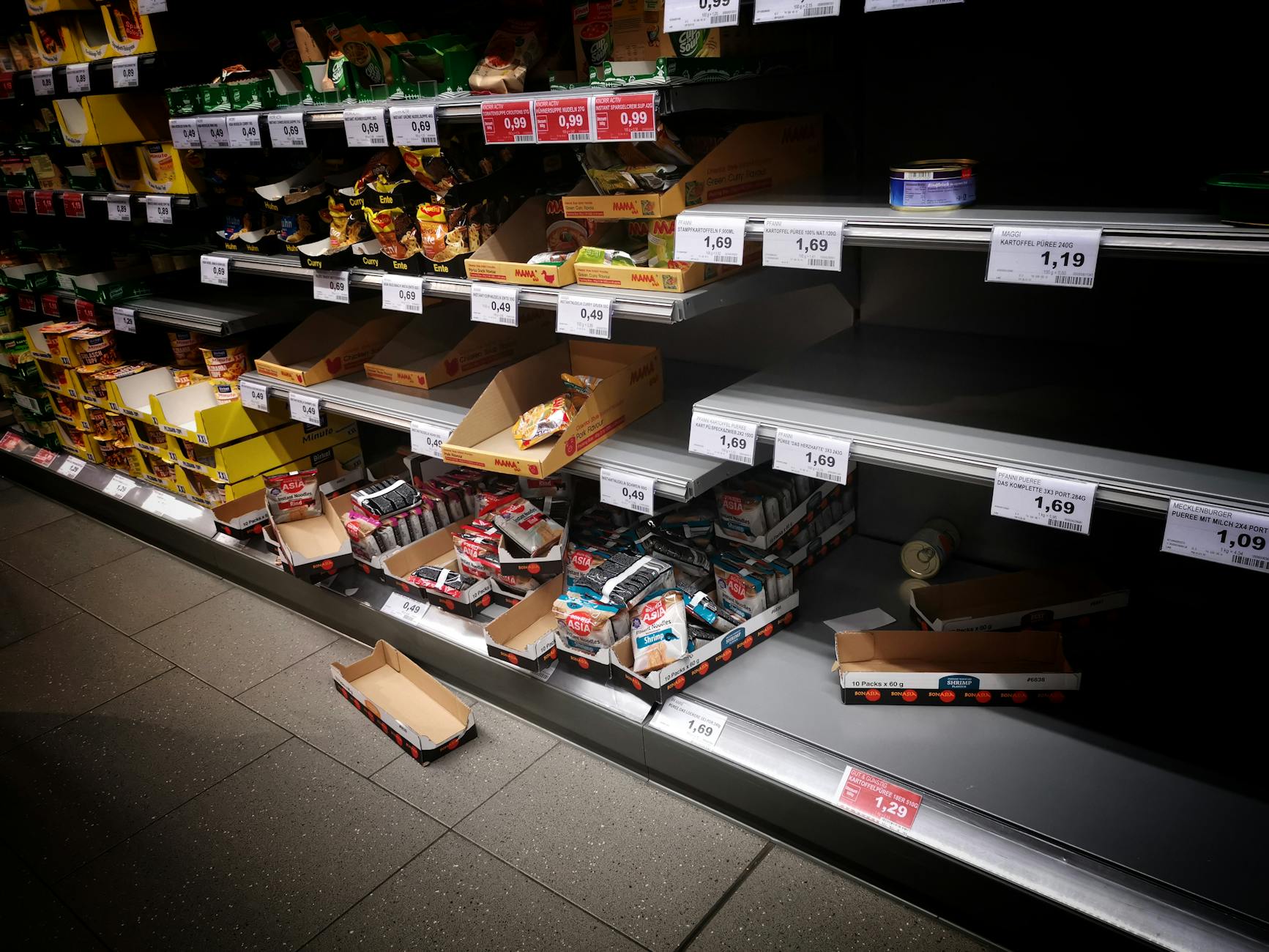
Extended severe weather historically produces contradictory retail impacts: initial sales declines as consumers remain home, followed by recovery spending once conditions normalize. For the current storm, the sheer geographic scope””over 200 million people under winter weather threats””suggests measurable effects on January retail sales figures that will appear in February reporting. Home improvement retailers typically benefit from storm preparation and aftermath spending. Snow removal equipment, generators, pipe insulation, and emergency supplies drive foot traffic, though margin profiles on these categories vary significantly.
Conversely, apparel, restaurant, and entertainment spending declines sharply when consumers avoid discretionary travel. The tradeoff for investors involves duration. Single-day or weekend storms produce minimal net impact as delayed spending simply shifts forward. Multi-day events with widespread power outages and extended travel restrictions create genuine demand destruction for perishable categories and experiences that cannot be rescheduled. With 23 states declaring emergencies, the current storm appears to fall into the latter category for at least some affected markets.
Insurance Claims and Utility Restoration Costs Mount
Property and casualty insurers face claims exposure from multiple vectors during compound winter events. Roof collapses under snow loads, frozen pipe bursts, vehicle accidents, and business interruption claims all escalate simultaneously. Regional insurers with concentrated Midwest exposure may see loss ratios spike meaningfully in first-quarter results. For example, the one million-plus customers without power face extended restoration timelines when utility crews must navigate hazardous road conditions to reach damaged infrastructure.
Each day of outage increases frozen pipe claims, spoiled inventory losses for commercial policyholders, and potential liability exposure for landlords and property managers. Insurers have generally maintained adequate reserves following profitable underwriting years, but claim severity trends bear watching. Utility companies themselves face restoration cost pressures that may influence capital expenditure guidance. Storm hardening investments””burying power lines, upgrading poles, improving vegetation management””often accelerate following major weather events as regulators and consumers demand improved resilience. These expenditures flow through to rate base calculations that shape long-term utility equity valuations.
What the Snowpack Data Suggests for Spring Economic Activity
Michigan’s snowpack at 133 percent of normal and Painesdale’s 48 inches represent substantial water reserves that will eventually enter the hydrological cycle through snowmelt. For agricultural producers, this stored moisture generally supports favorable spring planting conditions, reducing early-season irrigation demand and improving yield potential during critical growth stages. However, the blessing can become a curse if melt occurs too rapidly.
Flood risk escalates when warm spring rains fall on deep snowpack, overwhelming drainage infrastructure and saturating fields that farmers need to access for planting operations. The 2019 Midwest flooding provides a recent example of how winter snow accumulation can cascade into billions of dollars in agricultural losses when spring conditions align unfavorably. Market participants should track snowpack evolution through February and March, with particular attention to temperature forecasts that might trigger rapid melt events. Water resource agencies provide regular updates that inform both agricultural planning and barge navigation on the Mississippi and Missouri river systems””the latter representing a critical export corridor for grain commodities.
Conclusion
The updated snow accumulation maps for the Midwest reveal a January 2026 winter storm of historic proportions, with 13 inches blanketing central states, projections reaching 18 inches in southern Indiana, and dangerous cold pushing wind chills to negative 50 degrees across the Northern Plains. For investors, these weather patterns create immediate impacts across energy demand, transportation logistics, agricultural commodities, retail spending, and insurance claims that will flow through earnings reports over the coming quarters. Positioning for weather-driven market moves requires distinguishing between transitory disruptions and lasting impacts.
Energy price spikes, flight cancellations, and retail declines typically normalize within weeks of storm passage. Snowpack levels, flood risk assessments, and infrastructure damage from extreme cold carry longer-term implications that shape agricultural production prospects and utility capital planning. Monitoring both the immediate accumulation data and the follow-on effects provides investors with informational advantages as weather-sensitive sectors navigate an unusually severe winter.