
No, the current January 24-25, 2026 snowstorm is not the biggest of the year for Chicago””at least not yet. That distinction still belongs to the post-Thanksgiving storm of November 29-30, 2025, which dumped 8.7 inches at O’Hare Airport and shattered the city’s daily snowfall record for late November. While the ongoing January storm has delivered between 4 and 6 inches across most neighborhoods as of Sunday afternoon, with forecasts calling for up to 8 inches downtown, it would need to exceed the November totals to claim the top spot. The January storm remains active with lake-effect snow continuing to add accumulation, so final numbers could still shift the ranking.
What makes this comparison particularly relevant for investors is the context of Chicago’s unusually aggressive winter. By December 7, 2025, the city had already accumulated 17.1 inches of snow””nearly matching the entire previous winter’s total of 17.6 inches. This is the fastest start to winter since 1978, and it has significant implications for sectors ranging from airlines and logistics to retail and energy. The current storm has already canceled more than 700 flights at Chicago’s airports and left over 900,000 people without power across affected states. This article examines how the current storm stacks up against the November record-breaker, what this unusually snowy winter means for market-sensitive industries, and how investors should think about weather-driven volatility as Chicago endures what could be its snowiest season in decades.
Table of Contents
- How Does the January 2026 Storm Compare to November’s Record-Breaker?
- What Makes This Winter Season Historically Significant for Chicago?
- How Are Airlines and Transportation Bearing the Impact?
- What Does Power Outage Data Tell Investors About Grid Vulnerability?
- How Should Investors Think About Retail and Consumer Spending Impacts?
- What Seasonal Patterns Should Investors Watch Going Forward?
- What Is the Outlook for the Rest of This Winter Season?
- Conclusion
How Does the January 2026 Storm Compare to November’s Record-Breaker?
The post-Thanksgiving storm of November 29-30, 2025 set an unusually high bar early in the season. O’Hare recorded 8.4 inches on November 29th alone””the highest single-day November snowfall in Chicago’s recorded history, surpassing the previous record of 8.0 inches set on November 6, 1951. The two-day storm total of 8.7 inches represented the greatest snowstorm Chicago had experienced since January 30-31, 2021, when 10.8 inches fell. The current January storm has produced meaningful but more modest totals so far. Bridgeport leads official measurements with 6.3 inches, followed by Lincoln Park at 5.6 inches and Hyde Park at 4.7 inches.
Downtown forecasts call for up to 8 inches, which would put this storm in the same neighborhood as November’s event. However, weather systems rarely deliver uniform coverage, and neighborhood-by-neighborhood variation matters when assessing actual impact. The November storm was notable for its consistency across the metropolitan area, while January’s storm shows more geographic spread in accumulation. One critical difference: the January storm brings far more dangerous cold. Wind chills have plunged to negative 30 to 40 degrees across the Chicago area, creating life-threatening conditions that extend the storm’s economic impact well beyond snow removal and travel delays. Extreme cold increases heating demand, stresses infrastructure, and can force business closures even after roads are cleared.
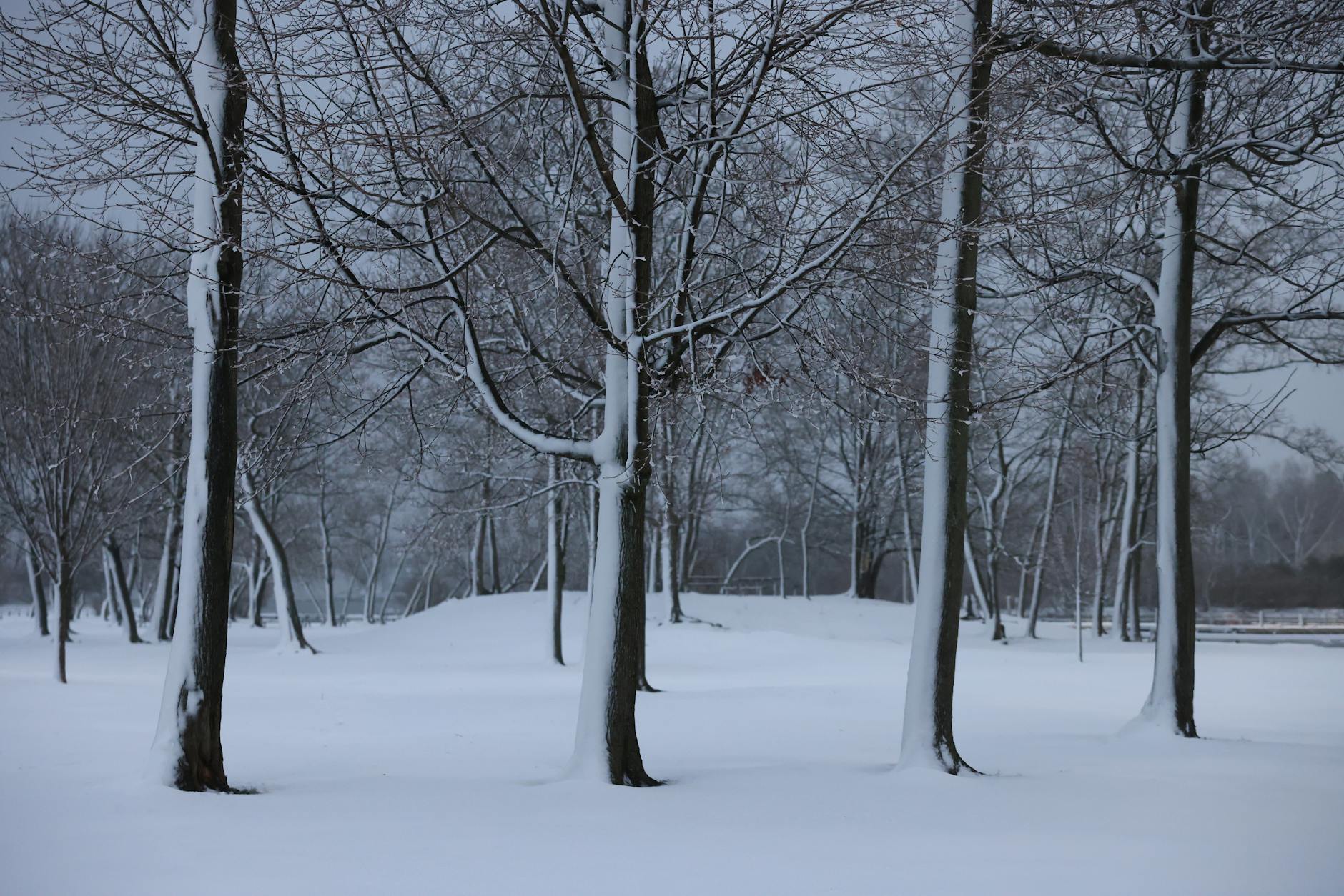
What Makes This Winter Season Historically Significant for Chicago?
Context matters when evaluating individual storms, and this winter‘s context is exceptional. By December 7, 2025, Chicago had accumulated 17.1 inches of seasonal snowfall””nearly the entire total from the previous winter in just the first few weeks of meteorological winter. This represents the fourth-highest snowfall total on record through that date and the quickest start to winter since 1978, when 24.1 inches had fallen by December 7. The contrast with recent winters is stark. The 2024-2025 winter season delivered just 17.6 inches total, making it one of the mildest in recent memory.
Chicago’s average seasonal snowfall is 37.1 inches, so the city had already reached 46 percent of its typical annual accumulation before December was even halfway complete. If the current pace continues, this could rank among Chicago’s snowiest winters in decades. However, weather patterns can shift dramatically. Early-season snow does not guarantee a snowy finish, and Chicago has experienced winters that started strong but faded. Investors tracking weather-sensitive sectors should monitor whether this pattern persists through February and March, when additional major storms would compound economic effects on transportation, retail, and energy consumption.
How Are Airlines and Transportation Bearing the Impact?
The immediate and measurable market impact of major snowstorms shows up first in aviation. As of 2:45 PM on Sunday, January 25, O’Hare International Airport had canceled 625 flights while Midway saw 111 cancellations. These numbers will likely climb as the storm continues, and the ripple effects extend well beyond Chicago. O’Hare serves as a major hub for United Airlines and American Airlines, meaning delays and cancellations there cascade through the national flight network. The scope of this particular storm amplifies the disruption. With 235 million people in the storm’s path from Texas to New York and at least 22 states declaring emergencies, this is not a localized Chicago problem.
Airlines face simultaneous pressure across multiple hubs, crews become displaced, and aircraft end up out of position. The recovery from a storm of this geographic scale typically takes two to three days even after weather clears, as carriers work through rebooking backlogs and repositioning equipment. For investors, the airline impact cuts two ways. Winter storms create immediate revenue losses from canceled flights and additional costs for crew overtime, passenger rebooking, and deicing operations. But airlines have grown more sophisticated at managing weather events, and a single storm””even a severe one””rarely moves quarterly earnings in isolation. The cumulative effect of a persistently snowy winter, however, can pressure margins if storms repeatedly disrupt hub operations.

What Does Power Outage Data Tell Investors About Grid Vulnerability?
The current storm has knocked out power to more than 900,000 customers across affected states as of January 25, highlighting infrastructure vulnerabilities that increasingly concern utility investors and regulators. While not all of these outages are in the Chicago area, the combination of heavy snow, high winds, and extreme cold creates the perfect recipe for grid stress. Ice accumulation weighs down power lines, wind brings down weakened trees, and extreme cold drives demand to peak levels precisely when supply is constrained. Chicago’s grid operator, Commonwealth Edison, has invested substantially in grid hardening and smart grid technology over the past decade. These investments reduce the frequency and duration of outages during major weather events compared to historical baselines.
However, no amount of infrastructure spending eliminates weather risk entirely, and restoration crews face dangerous working conditions when wind chills reach negative 40 degrees. The tradeoff for utility investors is between short-term costs and long-term regulatory relationships. Storm restoration is expensive””overtime labor, equipment replacement, and emergency contractor costs add up quickly during major events. But utilities that restore power quickly and communicate effectively with customers and regulators build goodwill that matters during rate case proceedings. Persistent outages or poor response, conversely, can invite regulatory scrutiny and political pressure that affects future investment recovery.
How Should Investors Think About Retail and Consumer Spending Impacts?
Major winter storms create complex and sometimes counterintuitive effects on retail and consumer spending. The immediate impact is negative: stores close, shoppers stay home, and foot traffic evaporates. For a storm hitting on a Sunday in late January, the direct retail impact is somewhat muted since weekend shopping was already winding down. However, if hazardous conditions persist into Monday and Tuesday, the lost shopping days compound. Grocery and home improvement retailers often see pre-storm surges as consumers stock up on essentials, followed by post-storm demand for snow removal equipment, salt, and repair materials.
These categories can partially or fully offset lost general merchandise sales. Hardware stores and auto parts retailers in the Chicago area will likely see elevated demand for the next several weeks as residents deal with storm damage and prepare for whatever comes next in this unusually active winter. The persistent cold is the wilder card. When wind chills reach negative 40 degrees, even motivated shoppers stay home, and discretionary spending gets deferred. Restaurant reservations get canceled, entertainment venues see reduced attendance, and service businesses from dry cleaners to salons lose appointments. For retailers already dealing with a challenging post-holiday environment, an extended cold snap can push January sales below already-modest expectations.

What Seasonal Patterns Should Investors Watch Going Forward?
Chicago’s position as a major logistics hub means its weather affects supply chains well beyond the metropolitan area. O’Hare is not just a passenger hub””it is one of the busiest cargo airports in North America. Railroads passing through Chicago connect eastern and western networks, and delays there ripple through freight schedules nationwide.
Trucking routes through the Midwest similarly bottleneck when major storms hit. If this winter continues at its current pace, the cumulative logistics impact could show up in first-quarter earnings calls from retailers, manufacturers, and logistics companies. One storm is a footnote; a winter full of storms becomes a theme that management teams cite when explaining margin pressure or delivery delays. The 1978 comparison is instructive””that winter’s aggressive start continued through the season, and the cumulative disruption affected regional economic activity measurably.
What Is the Outlook for the Rest of This Winter Season?
Climate patterns suggest this winter’s intensity may not be finished. The conditions that produced both the record November storm and the current January event reflect broader atmospheric patterns that can persist for weeks or months. While forecasters are cautious about long-range predictions, the quick start to winter often correlates with continued activity through February, when Chicago historically sees some of its largest storms.
For investors, the practical implication is continued vigilance around weather-sensitive positions through the first quarter. Airlines, utilities, retail, and logistics companies with significant Midwest exposure warrant closer monitoring than in a typical year. The accumulation of repeated moderate storms can equal or exceed the impact of a single major blizzard, and this winter shows every sign of delivering multiple significant events.
Conclusion
The November 29-30, 2025 post-Thanksgiving storm remains Chicago’s biggest of the 2025-2026 winter season, with its 8.7 inches at O’Hare still exceeding the ongoing January storm’s totals as of this writing. However, the close comparison understates what makes this winter genuinely significant: the relentless pace of accumulation that has already matched last winter’s total with months of cold weather remaining. For investors, the key takeaway is that weather risk in the Midwest is elevated through at least March 2026.
Airlines with Chicago hub exposure, utilities serving the region, retailers dependent on Midwest foot traffic, and logistics companies routing through the area all face above-normal volatility. Single-storm impacts wash out over a quarter, but a winter this active can meaningfully affect earnings for weather-sensitive sectors. Monitor accumulation trends, flight cancellation data, and power outage patterns as the season progresses.